


In recent years, Canadian banks have made high-profile commitments to addressing systemic racism and promoting diversity, particularly in the wake of the Black Lives Matter movement. They have promised to invest in Black-owned businesses, support financial literacy in Black communities, and create a more inclusive financial sector. But for many Black Canadians, these promises raise the question: are banks really helping, or are these just empty gestures?
Despite the pledges of billions of dollars in funding and programs aimed at Black communities, the day-to-day experiences of Black Canadians with the country’s financial institutions reveal a more complicated story. Interviews with Black business owners, community leaders, and everyday customers paint a picture of both optimism and skepticism.
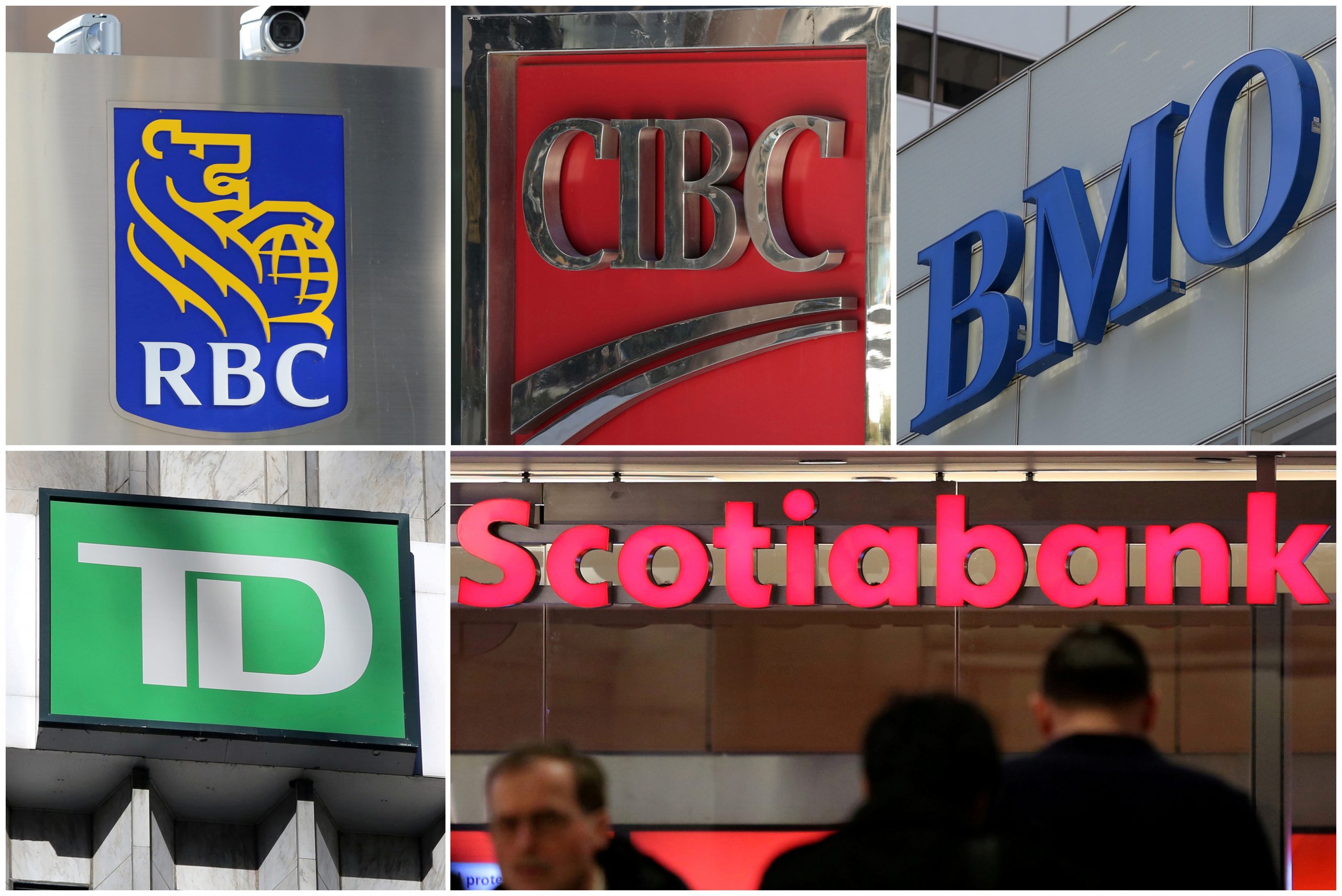
In June 2020, as protests against racial injustice swept across North America, Canadian banks joined the chorus of corporate voices vowing to take concrete action. Major institutions, including TD, Scotiabank, RBC, BMO, and CIBC, announced initiatives aimed at combating anti-Black racism and supporting the economic empowerment of Black communities.
In September 2020, TD Bank committed $10 million to Black-focused organizations and launched the “Black Entrepreneur Startup Grant.” RBC followed by pledging $100 million over five years to help Black, Indigenous, and other racialized entrepreneurs. Similarly, Scotiabank promised $500 million over 10 years for diversity-related efforts, while BMO launched the “Black and Latinx Small Business Program.”
These initiatives were met with cautious optimism by Black Canadians, many of whom had long felt underserved by the country’s banking system.
“We’ve been talking about access to capital and fair treatment in the financial sector for decades,” says Danielle Brown, a Toronto-based financial advisor who works with Black entrepreneurs. “So, when we heard about these investments, it seemed like a long-overdue recognition of the barriers that have been holding Black Canadians back. But the big question was whether these pledges would translate into real, meaningful change.”
For Black entrepreneurs, one of the biggest hurdles has been accessing the capital needed to start and grow their businesses. Research shows that Black business owners are more likely to be denied loans or face stricter lending terms compared to their white counterparts. This has created a systemic disadvantage that has kept many Black-owned businesses from thriving.
Jason Mitchell, a small business owner from Montreal, shares his frustrating experience: “I’ve been running my business for six years, and I’ve applied for loans multiple times. It always feels like the goalposts are being moved when it comes to the requirements. I have friends who are non-Black business owners, and they seem to get approved for loans with far less paperwork and fewer questions. It makes you feel like you’re not good enough, no matter how hard you work.”
For Mitchell, the new initiatives from banks were supposed to make a difference, but he hasn’t seen much change. “I’ve looked into some of these programs, but they’re often limited in scope or have strict eligibility criteria that many of us can’t meet. It feels like the banks are more interested in the optics of saying they’re helping Black businesses than actually supporting us.”
In addition to promises of capital, banks have also invested in financial literacy programs aimed at helping Black Canadians better manage their money and navigate the financial system. While these efforts are generally welcomed, some argue that financial literacy alone is not enough to address the broader issues of systemic racism in banking.
“Financial literacy is important, and I’m glad that banks are investing in it,” says Angela Richards, a community activist and financial educator based in Ottawa. “But it’s only one piece of the puzzle. You can teach people how to budget and save, but if they’re still being denied access to capital or facing discrimination when they walk into a bank, then the deeper issues haven’t been addressed.”
Richards believes that banks need to go further in changing their internal culture and practices. “There needs to be a real reckoning with the way that systemic racism manifests in the financial sector. It’s not just about giving people the tools to manage their money—it’s about creating a system that works for everyone, including Black Canadians.”
One of the key areas where Canadian banks have acknowledged their shortcomings is in the lack of diversity within their own ranks. Black Canadians are significantly underrepresented in senior leadership positions within the banking industry, and this lack of representation can have far-reaching consequences.
“Representation matters,” says Marcus Thompson, a Black banking executive who has worked in the financial industry for over a decade. “When you don’t have people who understand your lived experience in decision-making positions, it’s easy for policies and practices to overlook or even harm your community.”
Thompson, who is one of the few Black executives in his company, says that while progress has been made in recent years, there is still a long way to go. “I’ve seen more discussions about diversity and inclusion in the boardrooms, but real change takes time. It’s not enough to just hire a few Black people and check a box. There needs to be a sustained commitment to promoting diversity at all levels of the organization.”
To address this issue, some banks have launched mentorship and leadership development programs aimed at advancing Black employees within the organization. BMO, for instance, has established a mentorship program for Black employees and has committed to increasing the representation of Black individuals in senior leadership roles by 30% over the next five years.
However, for many Black Canadians, these efforts still feel too slow and too limited.
Beyond the challenges faced by Black entrepreneurs and employees, many Black Canadians report feeling discriminated against in their everyday banking interactions. Whether it’s being treated with suspicion when cashing a check, receiving subpar customer service, or being denied access to certain financial products, the experience of “banking while Black” can be fraught with tension and frustration.
“When I go into a bank, I’m always on edge,” says Michelle Davis, a Black woman from Vancouver. “I’ve had times where I felt like I was being watched more closely or questioned more aggressively than other customers. It’s not overt racism, but it’s this feeling that you’re not fully trusted, that you don’t belong.”
Davis recalls an incident where she was trying to open a business account for her small catering company. “The bank manager kept asking me all these questions that felt unnecessary—where I got the money from, how I planned to grow the business, whether I had any other sources of income. It felt like they were doubting my ability to run a business, and I couldn’t help but wonder if it was because I’m a Black woman.”
This sense of being “othered” in banking interactions is a common theme among Black Canadians. Many describe feeling that they have to work twice as hard to prove their legitimacy, whether as customers, entrepreneurs, or employees.
For all the promises made by Canadian banks, there is a growing call for greater accountability and transparency when it comes to their efforts to address anti-Black racism. Critics argue that while the banks have announced impressive-sounding initiatives, there is often little follow-up on how these programs are being implemented and whether they are actually making a difference.
“We need to see data,” says Justin Campbell, an economist who has studied racial inequality in Canada’s financial sector. “How many Black entrepreneurs are actually receiving loans? How many Black employees are being promoted into leadership positions? Without concrete data, it’s impossible to know whether these initiatives are having the intended impact.”
Campbell believes that banks should be required to publicly report on their progress in addressing racial disparities, similar to how companies report on their gender diversity initiatives. “If the banks are serious about making change, they should be willing to be transparent about their efforts. It’s not enough to just make announcements and hope people take them at their word.”
While there is no quick fix to the deep-rooted issues of systemic racism in Canada’s banking system, many believe that meaningful change is possible if banks are willing to take bold steps. This includes not only increasing access to capital and promoting diversity within their ranks but also confronting the everyday biases and discrimination that Black Canadians face when interacting with financial institutions.
“There’s no doubt that the banks have the power to make a difference,” says Richards. “But they need to be willing to listen to the voices of Black Canadians and make the necessary changes. That means more than just writing checks—it means changing the way they do business, from the ground up.”
For Black Canadians, the hope is that the current moment of reckoning will lead to lasting change in an industry that has long excluded and marginalized them. But as the experiences of people like Mitchell, Davis, and Thompson show, there is still a long way to go before Canadian banks can truly say they are helping Black Canadians in a meaningful and equitable way. Until then, the promises made by the banks remain just that—promises.
While Canadian banks have taken steps to address anti-Black racism, the reality for many Black Canadians is that the banking system continues to pose significant barriers. From difficulty accessing capital to everyday discrimination, Black Canadians are calling for more than just surface-level changes. The road to financial equity requires not only financial investment but also a commitment to systemic change, transparency, and accountability.
The question remains: Will Canada’s banks rise to the challenge and become true allies to the Black community, or will their efforts continue to fall short of real progress? Only time will tell, but for many, the stakes could not be higher.
Follow Canada News Media
Get the day's top Canadian stories and our two daily 60-second news videos wherever you scroll.
X Threads Facebook Instagram LinkedIn TikTok YouTube Pinterest Reddit Substack Flipboard Newsletter RSS