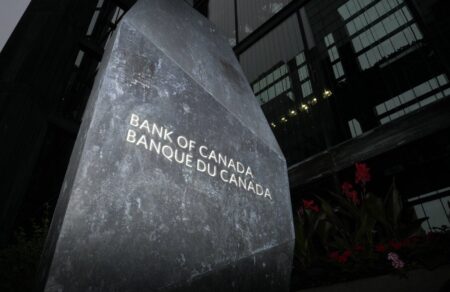






As Canada’s economy emerges from the shadows of a tumultuous pandemic, the Bank of Canada has recently painted a hopeful picture of revitalization and growth. In its latest economic outlook, the Bank projects a GDP growth rate of approximately 3.0% for 2023, a significant uptick from previous years. This growth forecast brings with it a plethora of implications for Canadians across various sectors—from employment opportunities to consumer spending and beyond.
Understanding the Projections
The Bank of Canada, responsible for formulating monetary policy, bases its forecasts on a variety of factors, including inflation rates, unemployment data, and global economic conditions. The current economic climate is characterized by recovering consumer confidence, increasing investment in infrastructure, and a resilient labor market. By projecting sustained economic growth, the Bank aims to provide a roadmap for businesses and policymakers alike.
Governor Tiff Macklem noted in a recent press conference, “Our projections reflect a solid foundation laid by strong federal and provincial policies aimed at fostering stability and growth.” Indeed, government initiatives, including the Canada Recovery Hiring Program and funding for green technology, have played a vital role in stabilizing the economy and enhancing public spending.
A Rising Tide Lifts All Boats
So, what does this growth mean for the average Canadian? The immediate effects are expected to be felt in the job market. As businesses expand and consumer demand rises, companies will likely seek to hire more employees, thereby reducing the unemployment rate, which currently hovers around 5.6%. A robust job market can lead to increased disposable incomes, allowing Canadians to spend more on goods and services.
This renewed economic vigor could also contribute to a rise in wages, especially in industries that have been particularly hard-hit during the pandemic, like hospitality and tourism. The promise of higher income can give Canadians greater financial stability, enabling them to invest in their futures, whether that means buying homes, saving for retirement, or funding education.
Consumer Confidence and Spending
According to a recent survey by the Canadian Consumer Confidence Index, 70% of Canadians indicate that they feel optimistic about the economic outlook for the next year. This sentiment is crucial, as consumer confidence is a key driver of economic expansion. Healthy consumer spending, which accounts for more than 55% of GDP in Canada, can catalyze further growth, leading businesses to reinvest in their operations and workforce.
Retail analysts predict a surge in spending, particularly in sectors like e-commerce, home improvement, and recreational activities. As Canadians return to pre-pandemic behaviors, there is an expected rise in expenditures on entertainment, travel, and dining out, sparking a renaissance in local economies.
Potential Challenges Ahead
While the outlook appears bright, challenges remain. Inflation continues to be a pressing concern, with the current rate lingering above the Bank’s target of 2%. As the economy grows and demand for goods and services increases, there is a risk that inflation could outpace wage growth, eroding purchasing power for many Canadians. The Bank of Canada has indicated that it will continue to monitor these inflationary pressures closely and adjust monetary policy as needed.
Moreover, the geopolitical landscape—particularly the lingering effects of the pandemic, supply chain disruptions, and global tensions—could pose risks to domestic growth. Experts urge caution, highlighting that sustainable economic growth must address these vulnerabilities.
The Long-Term Vision
In light of these challenges, the Bank’s short-term growth projections must be viewed within the context of long-term economic resilience. Investment in key sectors—such as clean technology, renewable energy, and digital innovation—will be critical for ensuring that Canada not only recovers from the pandemic but also fosters a more sustainable future.
Senior economists argue that the transition toward a greener economy will create new job opportunities, enhancing long-term growth potential. Initiatives aimed at reducing carbon emissions and investing in sustainable infrastructure can position Canada as a leader in global markets while addressing climate change—a pressing concern for many Canadians.
Community and Individual Responses
On the ground, community responses to the Bank’s optimistic projections vary. Local business owners are already adapting to anticipated changes, adjusting their inventories and marketing strategies in anticipation of increased consumer spending. Meanwhile, some Canadians are finding new ways to boost their financial literacy, utilizing online tools and resources to make informed investment decisions.
As the economy begins to stabilize and grow, many individuals are focusing on savings and investments rather than immediate consumption—a financial strategy that may bolster personal security as well as national stability in the long run.
Conclusion
The Bank of Canada’s projections for economic growth present a hopeful narrative for Canadians. Particularly as the economy rebounds from the challenges posed by the pandemic, the potential for new jobs, increased consumer spending, and resilient communities shines through. However, conditions must be continuously monitored to ensure that this growth is sustainable and equitably benefits all Canadians. The steps taken today will undoubtedly shape the economic landscape for years to come.
Related Products
Follow Canada News Media
Get the day's top Canadian stories and our two daily 60-second news videos wherever you scroll.
X Threads Facebook Instagram LinkedIn TikTok YouTube Pinterest Reddit Substack Flipboard Newsletter RSS