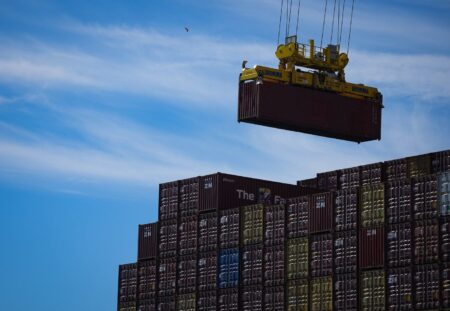



In recent years, Canada’s economy has shown resilience amidst global chaos, showcasing trends that provide insight into the country’s future. The Gross Domestic Product (GDP) of Canada has become a focal point for economists, analysts, and policy-makers, drawing attention to various factors that influence its trajectory.
Understanding GDP Trends
Canada’s GDP reflects the total economic output of the nation, representing the market value of all final goods and services produced within the country in a given year. From 2020 to 2021, Canada’s GDP had a remarkable rebound, growing by approximately 4.5% as the country emerged from COVID-19 lockdowns. This growth underscored the economy’s capacity for recovery, aided largely by government stimulus measures and a natural resource sector that forged ahead in the face of global supply chain disruptions.
As of 2022, Canada reported a GDP growth rate of 3.4%, maintaining a steady upward trend despite the uncertainties posed by inflation and geopolitical tensions such as the Ukraine-Russia conflict. These factors posed unique challenges, particularly in energy and food prices, but Canada’s diverse economy served as a buffer against significant downturns.
Influencers of Growth
Several key sectors have significantly contributed to Canada’s economic output. The natural resources sector, particularly oil and gas, remains a powerhouse. Canada is the fourth-largest oil producer globally, and fluctuations in oil prices have direct implications for its GDP. The 2022 spike in oil prices post-COVID lockdowns has had a considerable positive impact on the nation’s economic performance.
Moreover, advancements in technology and innovation, particularly through the tech sector, have opened new avenues for economic expansion. Cities like Toronto, Vancouver, and Montreal are emerging as tech hubs, drawing both domestic and international investments.
Trade agreements, such as the United States-Mexico-Canada Agreement (USMCA), have also played a crucial role in shaping Canada’s economic landscape, allowing for smoother trade relations with its largest trading partners and diversifying export markets.
Challenges Ahead
Despite the impressive growth trends, challenges loom on the horizon. Inflation has emerged as a significant concern, spurred by global disruptions and increased spending. In early 2022, Canada experienced inflation rates that shot up to 7.7%, the highest in decades. The Bank of Canada responded with aggressive interest rate hikes, aiming to curb inflation without stifling economic growth.
Housing markets across Canada, particularly in major cities, have also shown signs of strain, with skyrocketing prices leading to affordability crises. A report from the Canadian Real Estate Association stated that the average home price in Canada surpassed CAD 800,000 in 2022, causing concern about market sustainability in the long run.
Predictions for the Future
Economists predict that Canada’s GDP will continue its upward trajectory but with moderated growth rates. The Conference Board of Canada forecasts a GDP growth of around 2.3% for 2023, suggesting a gradual cooling of the economy as inflationary pressures and high-interest rates take effect.
Furthermore, regional disparities could become more pronounced. While provinces rich in natural resources (like Alberta) may continue to thrive, others with less diverse economies could struggle. This could lead to structural changes in labor markets as Canadians seek employment in more dynamic sectors.
Investing in Resilience
As Canada looks to stabilize its economy and safeguard against potential downturns, strategic investments in sustainable infrastructure and technology will be essential. Governments are increasingly focusing on green energy initiatives, sustainable manufacturing, and digital innovation as pathways to bolster economic resilience.
Moreover, addressing the housing crisis through targeted policies could improve both economic stability and public well-being. Developing affordable housing solutions and stimulating the construction sector can act as economic catalysts while ensuring that all Canadians benefit from economic growth.
The Road Ahead
In conclusion, Canada’s GDP is at a pivotal point. While the growth trends post-COVID-19 are reassuring, various factors, including inflation and the housing market, pose significant challenges. Policymakers must navigate these complexities with strategic foresight to ensure sustainable growth.
As we move further into the 2020s, the focus will likely turn towards building an economy that is not only robust but also equitable. Understanding and addressing the intricacies of Canada’s economic fabric will be essential for fostering a resilient future that can adapt to the ever-evolving global landscape.
Sources include Statistics Canada, The Bank of Canada, Conference Board of Canada, Canadian Real Estate Association, and various economic research studies.
Related Products
Follow Canada News Media
Get the day's top Canadian stories and our two daily 60-second news videos wherever you scroll.