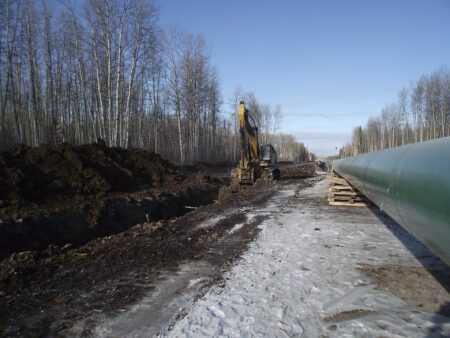





The price of a barrel of Canadian oilsands crude oil fell to its lowest level ever on Wednesday, at less than $10 US a barrel.
Western Canadian Select (WCS) was changing hands at $9.19 per barrel, down $3.04 from Tuesday’s level. The U.S. benchmark known as West Texas Intermediate (WTI) also fell to below $25 a barrel, a level it has not hit since 2003.
Oil is being walloped by too much supply of oil in a time of reduced demand for it because of the coronavirus, which is why the market for oilsands crude has fallen off a cliff.
Saudi Arabia and Russia have started a price war, flooding the market with cheap conventional oil.
Canadian oilsands oil always trades at a discount to lighter blends, such as Brent and WTI, because it is more difficult to transport and process. So, the oversupply of all types of oil has walloped the price of WCS.
Investment bank Goldman Sachs said even after prices have fallen by half in under a month, there could be more room to fall.
“The oil demand collapse from the spreading coronavirus looks increasingly sharp,” the bank said, predicting Brent crude could go as low as $20 a barrel later this year.
Quarantines, shutdowns restrict energy demand
It’s taking a hit on the demand side, too, however, as the coronavirus has taken a huge bite out of demand for energy as quarantines and shutdowns drastically reduce the need for oil.
“While the supply war continues between OPEC, Russia and others, demand expectations continue to decline with air and other travel being curtailed,” said Colin Cieszynski, market strategist at SIA Wealth Management in Toronto.
Goldman Sachs predicts the global demand for oil will decline by eight million barrels a day this year. That’s the largest plunge on record.
The oil swoon pushed the loonie below the 70-cent level on Wednesday, lower than it has been in years.
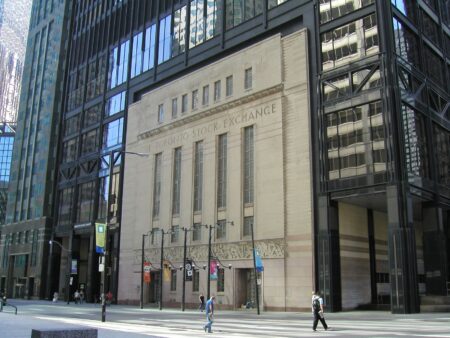
Stock markets are also swept up in the carnage, with the TSX and Dow Jones both down another five per cent on Wednesday. That comes on the heels of heavy selling for the past two weeks, which has pushed the price of both stock indexes down by about a third of their value in less than a month.
Governments around the world have rushed to bring in stimulus measures and bailouts for consumers and businesses, but it has so far not been enough to put a bottom under the price of oil, which is considered a risky asset at the best of times.
There are “green shoots of risk appetite emerging, and some further concerning aspects,” said Chris Weston of Pepperstone Group in a report. “I am not going to call a bottom in the risk story by any means.”

Follow Canada News Media
Get the day's top Canadian stories and our two daily 60-second news videos wherever you scroll.
X Threads Facebook Instagram LinkedIn TikTok YouTube Pinterest Reddit Substack Flipboard Newsletter RSS