


Brazil’s fledgling democracy is in peril of failing. Meanwhile, its political economy, both at the federal and the local and regional levels, is mired in illegal conduct. In a modern democracy with a robust political economy, such as that found in Canada, politics and economics are fundamentally inseparable, mutually interdependent, not dichotomous, and political actions influence economic outcomes.
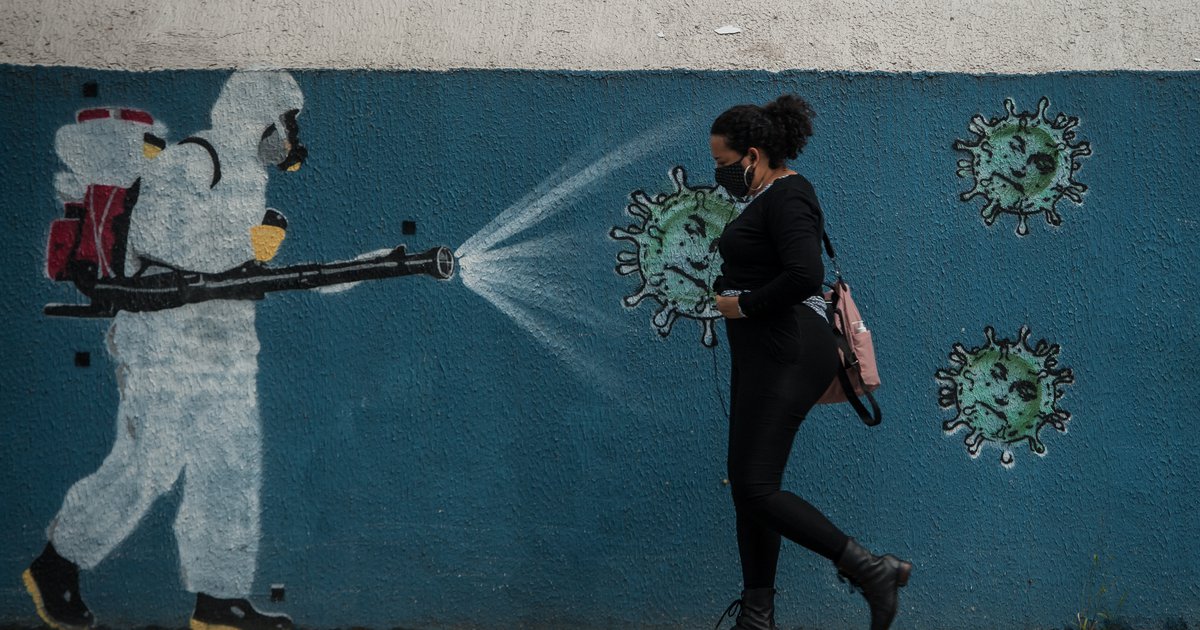
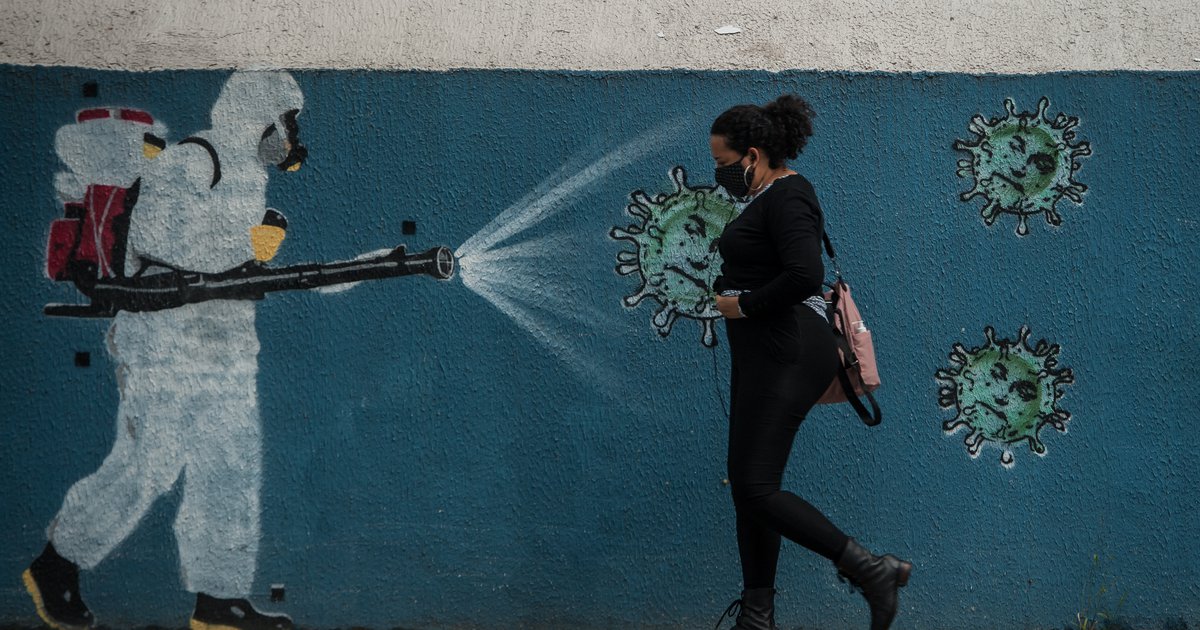
Moreover, political economy is fundamentally interdisciplinary, drawing from economics, political science, law, history and other social sciences. Whereas, in Brazil, a colony of Portugal for over three centuries, there was no democracy at all until recently. And political economy was colonial in nature. In 1985, an election ushered in civilian rule and thus began the expected democratization of the country, and with it a nascent and post-colonial political economy started to slowly take shape. Progress, however, has consistently been hampered by endemic corruption, a breakdown of law-and-order, the spread of the coronavirus, and the weaknesses of a fledgling democracy.
In January 2019, Jair Bolsonaro, a former military officer, was elected president on the promise of tackling law-and-order problems. He had campaigned on a fresh start that would purge corruption, crime and other illegal conduct. Instead, corruption and scandals have rocked his presidency by implicating him, directly and indirectly, and his conduct is increasingly viewed as illegal. Exacerbating this situation is the comprehensive impact of the coronavirus on all aspects of life, governance and democracy in Brazil. This has prompted the nation’s political economy to take shape in a manner that is exposing actions that are not founded on good governance but rather on shenanigans, political maneuvering, right-wing values (as was the case during colonial times), and the promotion of Bolsonaro’s personal and ideological agendas.
Meanwhile, the country’s economy is in a tailspin because of the economic, social and political impacts of the coronavirus, which he has not handled well, dismissing it as nothing more than the common flu, and therefore not worthy of concern, even when deaths and cases of infection have mounted daily throughout the country.
Another concern is that, over the last three months, Bolsonaro’s government has been rocked by the resignation of the highly-regarded Justice Minister Sergio Moro, who has implicated the president of wrongdoing in the firing of Maurício Valeixo, the federal police chief – that is, the dismissal was without cause or justification.
Also, it was overreaching by Bolsonaro as his decision was outside his designated area of responsibility (for the police chief is independent of the presidency). Both Moro’s resignation and Valeixo’s firing were especially damning for Bolsonaro, who is currently being investigated for impeachable conduct in Valeixo’s dismissal. In mid-April this year, Bolsonaro fired the health minister for advocating social distancing policies to address the spread of the coronavirus.
All three of these recent developments have undermined democratic principles and Brazil’s young democracy is under attack by its own president. To make matters worse, three of his sons are being investigated by the federal police for possible wrongdoing (including corrupt actions, such as money-laundering by one son, and spreading fake news attacking justices of the Supreme Court by the other sons).