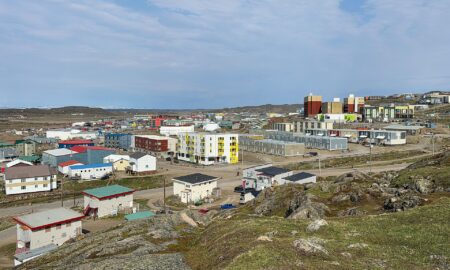






Canada, the second-largest country in the world by land area, has a diverse economy that is intricately linked to global events. From international trade agreements and geopolitical tensions to climate change and pandemics, the Canadian economy is shaped by external factors that affect multiple sectors, including natural resources, manufacturing, and technology.
The Role of Trade Agreements
One of the most significant ways through which international events influence Canada’s economy is through trade. In 2018, Canada, the United States, and Mexico signed the United States-Mexico-Canada Agreement (USMCA), replacing the North American Free Trade Agreement (NAFTA). This agreement significantly affects several industries in Canada, including agriculture, manufacturing, and technology.
“The USMCA is pivotal for Canadian businesses, particularly for those in the automotive and dairy sectors,” says Dr. Sarah Thompson, an economist at the University of Toronto. “Increased tariffs or trade barriers could jeopardize jobs and slow economic growth.”
Changes in international trade dynamics, such as China’s rising economic influence or the UK’s exit from the European Union (Brexit), also shape Canada’s global partnerships. Canadian exports to China, primarily in natural resources, have surged, making it essential for Canada to navigate the complexities of these relationships while also focusing on diversification to mitigate risks.
Geopolitical Tensions
Geopolitical events significantly impact investor sentiment and economic stability. For instance, the ongoing trade war between the United States and China has ramifications for Canada. As companies reevaluate supply chains, Canadian industries are often caught in the crossfire.
“The unpredictability of U.S. policies can create challenges for Canadian businesses reliant on the American market,” remarks Michael Chen, a business analyst with the Canadian Chamber of Commerce. “Companies are now looking at how they can insulate themselves from foreign policy shifts that may harm trade relations.”
Furthermore, tensions involving Russia have impacted not only trade but also energy markets. The suspension of projects such as the Keystone XL pipeline highlights how international relations can directly affect Canadian energy exports, thereby influencing revenue and job creation in the sector.
Climate Change and Environmental Regulations
International commitments to combat climate change are reshaping Canada’s regulatory landscape, prompting businesses to adapt quickly. The Paris Agreement, adopted in 2016, has challenged Canada to reduce its greenhouse gas emissions significantly. This regulatory pressure has led to investments in renewable energy and sustainable practices, creating both opportunities and challenges for traditional industries.
“With rising international standards for environmental sustainability, Canadian companies are recognizing that innovation is necessary, not just for compliance but for competitiveness,” says Laura McAllister, a sustainability consultant. “Fossil fuel companies are seeing significant shifts in investment towards cleaner technologies.”
As climate-related events intensify globally, such as wildfires in Australia and flooding in Europe, Canada also faces the need to bolster its infrastructure against these threats. The federal government has committed millions to enhance climate resilience, reinforcing the reality that international environmental trends inevitably shape local economies.
The COVID-19 Pandemic: A Catalyst for Change
The COVID-19 pandemic has exposed vulnerabilities within Canada’s economy and highlighted the importance of global interconnectedness. Supply chain disruptions caused by lockdowns illustrated how dependent Canada is on international partners for goods and services, from manufacturing components to medical supplies.
As Canada emerges from the pandemic, the economic landscape has shifted dramatically. Remote work has become commonplace, prompting a boom in technology sectors and digital services. “The pandemic accelerated trends that were already in motion,” notes Dr. Allen King, a professor of economic policy. “Companies that adapted quickly to the digital shift gained a significant advantage.”
The recovery phase sees Canada focusing on strengthening its economy by enhancing domestic production capabilities and seeking various input sources to avoid future disruptions, including investing in local industries across the country.
Conclusion: A Globalized Future
The Canadian economy is not an isolated entity; it is a dynamic system influenced by a myriad of international events. From trade policies and geopolitical tensions to climate change and pandemics, these global factors are interwoven with economic policies and developments on Canadian soil.
As the world becomes increasingly interconnected, Canada must navigate these complexities carefully. Policymakers and businesses alike need to maintain an adaptable approach—anticipating and responding to changes in the global landscape. By fostering resilience and innovation, Canada can steer its economy toward a stable and prosperous future while remaining responsive to the shifting tides of international events.
Related Products
Follow Canada News Media
Get the day's top Canadian stories and our two daily 60-second news videos wherever you scroll.
X Threads Facebook Instagram LinkedIn TikTok YouTube Pinterest Reddit Substack Flipboard Newsletter RSS