



How Has The COVID-19 Pandemic Affected The Mission Of Eradication Of TB In India?
Since 2020, India, just like the rest of the world, has been grappling with the Covid-19 pandemic that has put pretty much the entire global healthcare system into crisis mode. This pandemic not only shattered the present healthcare systems but has also effectively shattered the progress made by certain medical institutions by deterring them from their goals towards the eradication of certain diseases and conditions.
The diagnosis of infectious disorders, such as HIV, tuberculosis (TB), and malaria, have been badly hampered by Covid-19. Tuberculosis (TB) is one of India’s most serious public health problems. It is responsible for approximately a third of all TB cases recorded worldwide. India had set a goal of eradicating the disease by 2025, five years ahead of the worldwide deadline. However, while hospitals focused on Covid-care, the pandemic disrupted care and disease diagnosis.
TB Second Worst Infectious Disease, Misdiagnosis Makes Matter Worse
Among the diseases whose eradication process changed course, Tuberculosis emerged as the worst hit among all. Due to the novel coronavirus disease (COVID-19) pandemic, some countries have seen significant setbacks in their efforts to eliminate TB by 2020. India has taken the bigger impact of the damage. The World Health Organization’s (WHO) Global TB Report released in October 2021 highlighted that countries like the Philippines, India, and Indonesia were badly impacted. After Covid-19, it is the world’s deadliest infectious disease. If identified correctly and as early as feasible, tuberculosis is curable and prevented. Misdiagnoses, on the other hand, continue to be a major issue.
Also Read
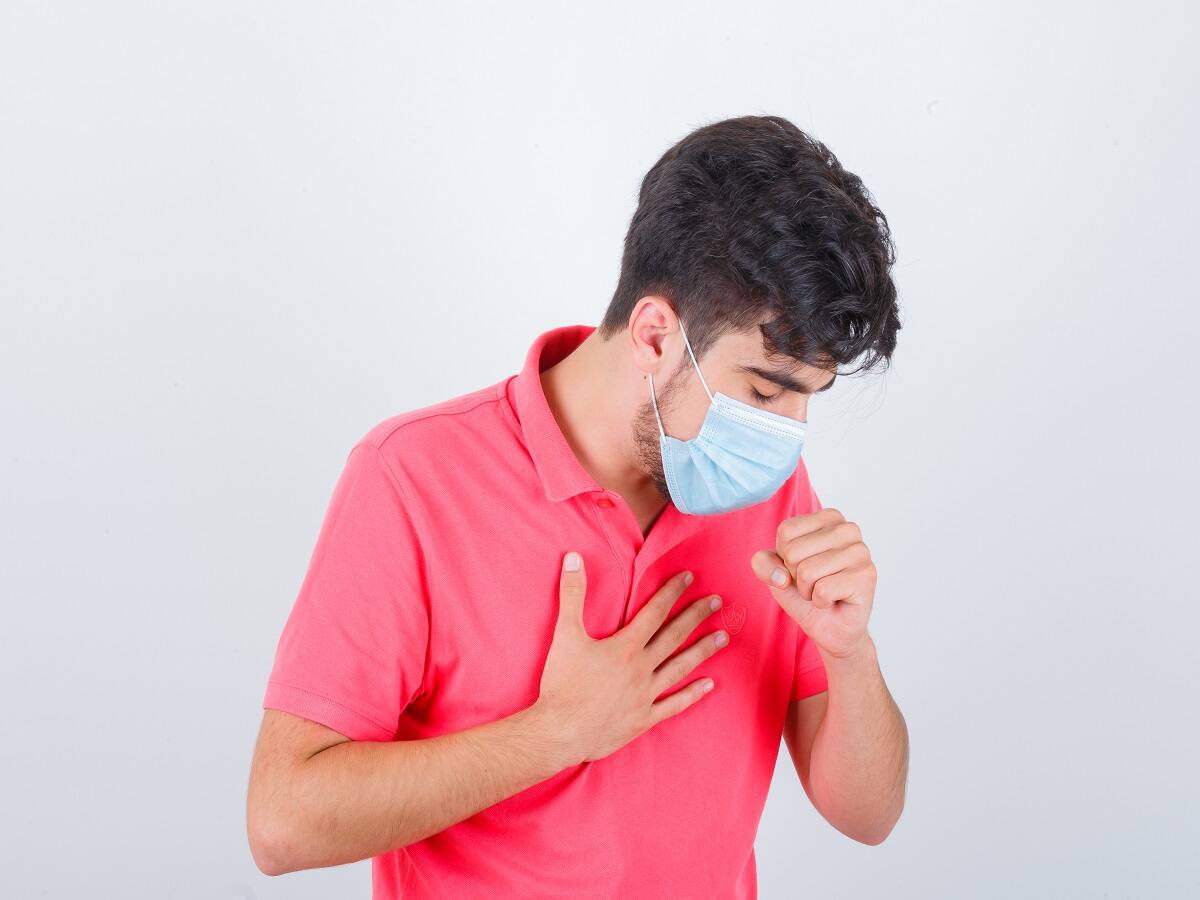
Mycobacterium tuberculosis, which usually infects the lungs, causes tuberculosis. When persons with lung TB cough or sneeze, the germs are propelled into the air and carried in tiny droplets. By inhaling just a few of these germs, a person could get infected.
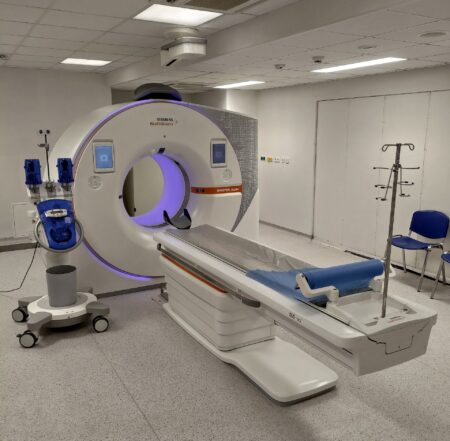
Although TB screening and diagnosis technologies have improved in recent decades, many people are still left undiagnosed. The greatest impact according to the reports was seen in terms of case diagnosis and detection. The limited availability of diagnostic facilities owing to the pandemic and the several restrictions established to contain the disease, a huge number of cases had gone undiagnosed, and unreported. Because of the significant decline in TB case diagnoses in 2020 compared to the previous years, the gap between the number of persons who were diagnosed with the disease and the number of new people diagnosed had widened greatly starting from 2020. According to the research, the gap is estimated to be over 4 million cases.
The Need To Eradicate TB From India
TB was one of the world’s greatest causes of death until 2020. It is now expected to be the second leading cause, only after COVID-19, due to massive setbacks. According to the reports, the number of people diagnosed with drug-resistant tuberculosis who received treatment decreased by 15 per cent in 2020 compared to the previous year. Multidrug-Resistant Tuberculosis (MDR-TB) and extensively drug-resistant tuberculosis cases, on the other hand, have remained steady.
When anti-TB drugs are taken incorrectly, drug resistance develops. It can also happen if individuals are prescribed low-quality medications or if they quit their treatment too soon. MDR-TB is a kind of tuberculosis caused by microorganisms that are resistant to the main first-line anti-TB medications. It is still treatable and curable, according to the WHO, with the use of second-line therapy medications.
According to the WHO, Covid-19-related interruptions in TB treatment could result in an additional half-million TB deaths. Even today, most people are ignorant of the scope of the tuberculosis epidemic. In order for India to truly eliminate tuberculosis by 2025, epidemiologists recommend increasing early detection using low-cost diagnostics. Most importantly, people from low-income neighbourhoods should have free access to TB treatment, counselling, and care.
(The article is contributed by Dr Suresh A, Consultant, Pulmonologist, SIMS Hospital, Chennai)
Total Wellness is now just a click away.
Follow us on

Follow Canada News Media
Get the day's top Canadian stories and our two daily 60-second news videos wherever you scroll.
X Threads Facebook Instagram LinkedIn TikTok YouTube Pinterest Reddit Substack Flipboard Newsletter RSS