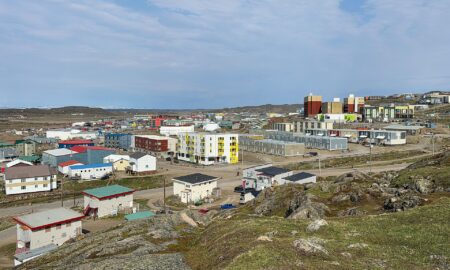






In recent years, Canada has emerged as a critical player in the global economic landscape. Often overshadowed by its larger neighbor to the south, the Maple Leaf Nation is not just a source of natural resources and agricultural products, but is also making its mark in technology, finance, and sustainable practices. As the volatility of international markets looms, understanding how Canada’s growth trajectory contributes to global economics is imperative.
The Economic Landscape: Overview and Progress
With a GDP growth rate that consistently hovers around 2-3%, Canada’s economy is characterized by its resilience and diversity. Dominated by services, which account for nearly 70% of its GDP, the country has successfully leveraged its natural resources—including oil, gas, and minerals—to attract foreign investment. According to the World Bank, Canada consistently ranks among the top 10 countries worldwide in terms of economic freedom, reinforcing its reputation as an attractive environment for businesses.
Resource Richness: A Double-Edged Sword
Canada’s abundant natural resources often produce a synchrony of economic growth and environmental concern. The oil sands in Alberta, for instance, are a massive driver of economic activity. However, the extraction processes have raised significant concerns regarding environmental sustainability and climate change. According to the Canadian Association of Petroleum Producers, investments in the oil sector approached CAD $43 billion in 2021, leading to increased discussions around balancing economic gain with sustainable practices.
Tech Boom: The Next Frontier
While natural resources have traditionally defined Canada’s economy, a burgeoning tech scene is changing the narrative. Cities like Toronto, Vancouver, and Montreal are becoming hubs for technology startups and established companies alike. In 2022, the Canadian tech sector grew by 5%, contributing CAD $100 billion to the economy. The rise of this sector has also cultivated a vibrant venture capital market, with investment surpassing CAD $7 billion last year.
One significant advantage for Canadian tech firms is the country’s stringent immigration policies that attract global talent. In 2021, 400,000 immigrants were welcomed, aiming to further boost innovation and competitiveness. This influx of skilled professionals from diverse backgrounds is expected to keep the Canadian economy agile and tech-driven.
Trade Relationships: A Global Outlook
The Canadian economy is deeply intertwined with global markets, primarily through trade. The United States remains Canada’s largest trading partner, accounting for about 75% of Canadian exports. However, Canada is keen on diversifying its trade relations beyond the US. Recent trade agreements, such as the Comprehensive and Progressive Agreement for Trans-Pacific Partnership (CPTPP) and the Canada-European Union Comprehensive Economic and Trade Agreement (CETA), indicate Canada’s ambition to engage more deeply with Asian and European markets.
Furthermore, Canada is recognized as a member of the G7 and G20, and its representation in international economic forums bolsters its influence in shaping global trade policies. This strategic positioning makes Canada not just reliant on major economies but also capable of asserting itself in international discussions.
Sustainability: A Future-Focused Outlook
Amid growing global concerns regarding climate change, Canada is positioning itself as a leader in sustainable practices. The federal government launched the Net-Zero Emissions Accountability Act, aiming for net-zero emissions by 2050. Investments in clean technology, renewable resources, and sustainable agriculture are becoming priorities. The shift toward a greener economy will not only ensure environmental sustainability but will also create job opportunities and economic diversification.
Challenges Ahead: Navigating Global Uncertainties
Despite the positive outlook, challenges remain. Global uncertainties such as trade wars, inflation pressures, and the ongoing repercussions of the COVID-19 pandemic continue to test Canada’s economic resilience. The rising cost of living and housing affordability in major urban centers are domestic concerns that the government is grappling with. Analysts have warned that without addressing these issues, Canada’s economic momentum might be at risk.
Conclusion: Future Prospects
As Canada charts its course in the global economy, the interplay of resource richness, tech innovation, and sustainability will define its trajectory. The Maple Leaf Nation’s growth story serves as a blueprint for emerging economies, particularly in how to leverage natural resources responsibly while fostering innovation. While challenges remain, the potential for Canada to carve out an influential role in global markets appears promising, ensuring that its growth continues to resonate far beyond its borders.
The world is watching Canada; as one of the few countries capable of balancing economic growth with environmental responsibility, its actions could set the precedent for other nations moving forward.
Related Products
Follow Canada News Media
Get the day's top Canadian stories and our two daily 60-second news videos wherever you scroll.
X Threads Facebook Instagram LinkedIn TikTok YouTube Pinterest Reddit Substack Flipboard Newsletter RSS