

As Canada moves further into 2023, a complex and dynamic political landscape is unfolding, marked by significant challenges and opportunities that demand attention from policymakers and citizens alike. From economic recovery following the pandemic to climate action and social justice, the intersections of these issues are shaping the future of the nation.
The Economic Recovery: Balancing Growth and Stability
Having grappled with the harsh economic consequences of the COVID-19 pandemic, Canada’s economy is in a critical phase of recovery. GDP growth has shown promise, yet inflationary pressures remain a concern. The Bank of Canada’s recent interest rate hikes have been implemented to curb inflation, which reached 6.8% earlier this year. This balancing act poses significant challenges for the government, as it seeks to stimulate growth while ensuring financial stability.
The federal government’s budget for 2023 includes major investments aimed at fostering innovation and supporting small businesses, particularly in technology and green sectors. Analysts argue these investments are crucial for sustaining long-term growth amid global economic uncertainties.
Climate Change: Canada’s Ecological Responsibility
Canada is recognized as one of the most climate-vulnerable nations, with its vast landscapes facing threats from wildfires, floods, and other extreme weather events. The government’s commitment to reducing greenhouse gas emissions by 40-45% below 2005 levels by 2030 has led to ambitious policies, including carbon pricing and comprehensive climate action plans.
However, environmental groups argue that steps taken thus far have been insufficient in the face of escalating climate emergencies. Protests and grassroots movements advocating for more stringent policies are gaining momentum, emphasizing the need for immediate actions over gradual progress. The interplay between governmental action and public pressure is likely to remain a pivotal aspect of Canadian political discourse in 2023.
Indigenous Rights and Reconciliation
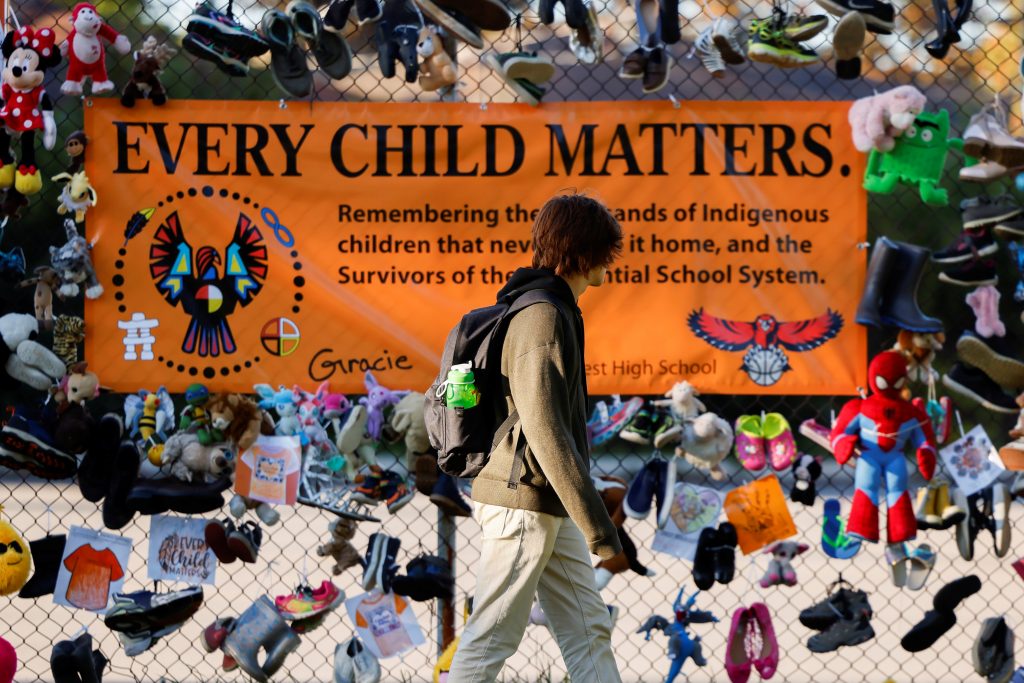
Another significant chapter in Canada’s political narrative concerns Indigenous rights and reconciliation. The Truth and Reconciliation Commission’s Calls to Action resonate throughout policy discussions. In 2023, the government is under scrutiny to advance a truthful understanding of past injustices while making real efforts toward reconciliation.
Issues such as land rights, access to clean water, and health care remain outstanding concerns for many Indigenous communities. The government’s commitment to recognizing and correcting historical wrongs is a slow process, often met with both legal challenges and community pushback. As public awareness grows regarding these issues, political leaders are increasingly pressured to act. The intersection of Indigenous rights with broader social justice movements continues to redefine Canada’s identity as a nation.
Health Care: Post-Pandemic Priorities
The COVID-19 pandemic exposed significant cracks in Canada’s public health care system. Long wait times and inconsistent access to healthcare services highlighted urgent needs for reform. In 2023, investment in health care infrastructure and capacity building has become a political priority, with calls for renewed commitments to mental health support and universal coverage.
Public opinion reflects a strong desire for better health systems. Recent surveys indicate that a majority of Canadians support increased funding and resources for healthcare. As the government grapples with how to redistribute and allocate these necessary funds, the political effectiveness of its approach will be crucial in shaping voter sentiment leading up to future elections.
Social Justice: Equity and Inclusion
In 2023, social justice movements continue to shape political conversations across Canada, focusing on issues such as racial equity, gender rights, and LGBTQ+ inclusion. The government has faced increasing pressure to dismantle systemic inequalities and ensure equitable rights for all Canadians.
Legislation aimed at promoting diversity, equity, and inclusion has gained traction, but advocates argue that true change requires more than policy — it demands a cultural shift. As political parties address these issues in their platform, they are likely to face scrutiny from constituents who expect action over rhetoric. The increasing activism from civil society organizations adds another layer to the discourse, making social justice an integral component of Canada’s political landscape.
The Road Ahead: A Coalition of Voices
As Canadians navigate this complex political landscape, the convergence of economic, environmental, social, and healthcare issues demands a coalition of voices. Political leaders will need to remain attuned to the diverse perspectives and lived experiences of their constituents. With elections on the horizon, engaging in substantive dialogue will be critical.
While challenges abound, there exists a unique opportunity for Canada to emerge as a leader in climate action, social equity, and economic resilience. 2023 serves as a pivotal year, encouraging not just reflection on the issues at hand, but also a collective movement toward a more inclusive and sustainable future.
In essence, Canada’s political landscape in 2023 is defined by its challenges as much as its responses to those challenges. With the world watching, how Canada moves forward will influence not only its own future but also set a precedent for nations globally facing similar issues.
Related Products
Follow Canada News Media
Get the day's top Canadian stories and our two daily 60-second news videos wherever you scroll.
X Threads Facebook Instagram LinkedIn TikTok YouTube Pinterest Reddit Substack Flipboard Newsletter RSS