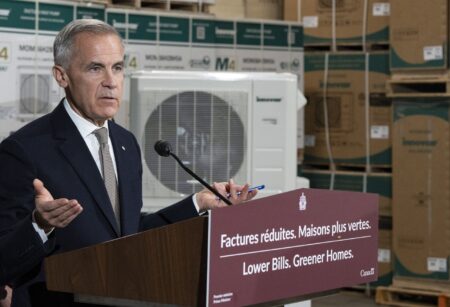



As we enter the latter half of 2023, Canada finds itself navigating a complex economic landscape shaped by global events, internal policies, and unpredictable market forces. The aftermath of the COVID-19 pandemic, combined with geopolitical tensions and climate issues, has created an environment rife with uncertainty. Economic analysts are cautiously optimistic, but they warn that challenges persist. This feature delves deeply into the state of the Canadian economy, examining various sectors, labor markets, and consumer sentiment.
Economic Growth: A Mixed Bag
Canada’s GDP growth has shown signs of resilience, recovering from the sharp declines experienced during the pandemic. According to recent data from Statistics Canada, the economy grew by 3.1% in the first quarter of 2023 compared to the previous year, driven primarily by consumer spending and a rebound in the service sector. However, experts note that this growth is uneven across different provinces and industries.
“While urban centers like Toronto and Vancouver are experiencing robust growth due to their diversified economies, rural areas are still grappling with the lingering effects of the pandemic,” says Dr. Susan McKinney, an economist at the University of Alberta. “The recovery is certainly not uniform, and we need to pay attention to the regions that are lagging behind.”
Inflation and Interest Rates
Inflation, a persistent issue since the pandemic, remains a significant concern for Canadians. As of mid-2023, inflation has stabilized around 4.2%, slightly down from previous highs. However, it continues to impact everyday life, particularly in essential goods like groceries and gas.
To combat inflation, the Bank of Canada has incrementally raised interest rates, leading to a current rate of 5.0%. This decision has made borrowing more expensive and has affected sectors such as real estate and consumer goods.
Labor Market Dynamics
The labor market has shown remarkable recovery, with unemployment rates hovering around 5.1%, down significantly from pandemic peaks. Businesses are hiring, but many are struggling to find suitable candidates, leading to a tight labor market.
“The skills mismatch is alarming; we have jobs that need to be filled, yet candidates lack the skills or qualifications,” explains Rachel Ellis, human resources director at a tech firm in Vancouver. “Employers need to invest in training programs to bridge this gap.”
The government has been proactive, introducing initiatives aimed at upskilling workers and attracting international talent to fill in critical labor shortages. The Temporary Foreign Worker Program has also been expanded to include more sectors, reflecting a strategic response to the skills deficit.
Sectoral Insights: Tech, Energy, and Retail
Different sectors contribute uniquely to Canada’s economy, showcasing varying levels of resilience and adaptability. The technology sector, for instance, has thrived, driven by increased demand for digital services and remote work solutions. Major cities are experiencing a tech boom, with start-ups blossoming and venture capital flowing in.
On the energy front, Canada is grappling with a dual challenge: transitioning to clean energy while maintaining its oil and gas sector’s economic viability. As the country pushes towards a net-zero emissions goal by 2050, investments in renewable energy projects are surging.
However, the energy transition is not without friction. “The oil and gas industry still plays a significant role in the Canadian economy, and balancing this with climate commitments is tricky,” says Emma Frost, an energy policy expert. “Policies must be carefully crafted to ensure economic stability while promoting green initiatives.”
Consumer Sentiment
Consumer sentiment has been a double-edged sword. While some Canadians are optimistic about the economy’s recovery, others remain cautious amid rising prices and high-interest rates. A recent survey by the Canadian Consumer Association revealed that 65% of respondents felt uncertain about their financial future.
Shoppers are adapting; many are opting for budget-friendly options and eschewing luxury purchases. This shift has implications for retail sectors, prompting businesses to recalibrate their strategies. “We’re seeing more people gravitate towards discount stores,” remarks Mark Johnson, a retail analyst. “Companies that can provide value will thrive in this environment.”
The Road Ahead
As Canada moves forward in 2023, the economic landscape remains fraught with uncertainty, yet laden with opportunities. Policymakers, business leaders, and individuals must work collaboratively to address challenges and embrace the possibilities. The focus will need to remain on sustainable practices, inclusive growth, and innovative solutions to foster a more resilient economy.
In conclusion, Canada’s economic landscape in 2023 is a fascinating study in contrasts. While recovery is evident, the path is not linear. As stakeholders navigate this uncertainty, the collective effort to adapt and innovate will undoubtedly shape the nation’s economic narrative in the years to come.
Related Products
Follow Canada News Media
Get the day's top Canadian stories and our two daily 60-second news videos wherever you scroll.
X Threads Facebook Instagram LinkedIn TikTok YouTube Pinterest Reddit Substack Flipboard Newsletter RSS