


The message comes a day after Ottawa Public Health reported that 10 residents died from COVID-19 over the previous seven days.
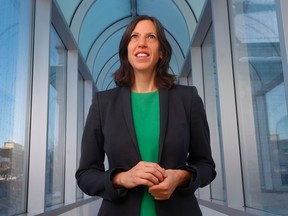
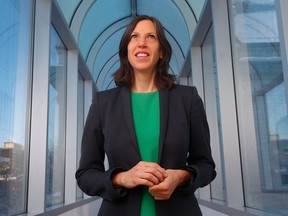
Ottawa’s Medical Officer of Health, Dr. Vera Etches, joined with chiefs of staff of the city’s hospitals Thursday to urge people to get the updated COVID-19 and annual influenza vaccines “as soon as possible.”
The joint message from city health leaders comes a day after Ottawa Public Health reported that 10 Ottawa residents had died from COVID-19 over the previous seven days.
Fifty-four per cent of residents over 80 and 51 per cent of those between 70 and 79 have received the updated vaccine since it was available on Sept. 14. Just 36 per cent of people between 60 and 69 have received the updated vaccine. The overall rate in the city is 19 per cent.
“This reminder comes as OPH is noting that the highest rates of hospitalization and death from COVID-19 continue to be in older adults,” the statement read: “Wastewater levels of COVID-19 and hospitalizations are higher now than they were at this time last year.”
Meanwhile, Ottawa Public Health declared the start of flu season in the city. That declaration is made when test per cent positivity (the percentage of people tested who are positive) surpasses five per cent for two weeks in a row. Cases are expected to continue to rise.
People who are 60 and older, pregnant, have chronic medical conditions or are immunocompromised are at higher risk of severe illness or complications from COVID-19 and the flu. In addition, children under five are at higher risk of complications from the flu.
An Ottawa Public Health statement said it expects respiratory illness activity across the city to increase this winter with COVID-19, flu and RSV (respiratory syncytial virus) continuing to circulate at the same time.
“Respiratory illness can have a significant impact on overall wellbeing and cause unnecessary strain to our health care system.”
In addition to keeping vaccinations up to date, Etches and hospital chiefs of staff are encouraging people to stay home when they are sick – meaning when they are free of fever, without medication, and their symptoms have been improving for 24 hours for respiratory illnesss. They are also encouraging people to wear masks, wash their hands often, cover their nose and mouth when sneezing and not visit loved ones in hospital, long-term care or retirement homes while sick.
Some have criticized Ontario’s Chief Medical Officer of Health for a more low-key approach to pandemic public health advice in recent months, even as COVID-19 rates are spiking in many communities. Most province-wide public health measures were lifted last spring, but hospitals have largely kept or reintroduced mandatory masking rules.

Follow Canada News Media
Get the day's top Canadian stories and our two daily 60-second news videos wherever you scroll.