

In an era where conversations around racial issues have become increasingly central to societal discourse, the Canadian media’s approach to covering these matters is under scrutiny. Critics argue that the coverage often lacks the necessary nuance and depth, falling short in truly capturing the complexities of racial dynamics in the country.
One prominent critique is the prevalence of superficial narratives that oversimplify the experiences of racialized communities. Instead of delving into the intricate layers of systemic racism, stories are often reduced to isolated incidents, hindering a comprehensive understanding of the broader issues at play.
Canadian media is accused of perpetuating stereotypes, consciously or unconsciously. From reinforcing racial tropes to relying on clichéd imagery, the media’s portrayal of racialized individuals can contribute to a distorted public perception, fostering biases and misconceptions.
Critics argue that Canadian media often fails to adopt an intersectional lens in its reporting. The experiences of racialized communities are not monolithic, and an intersectional approach, considering factors such as gender, socioeconomic status, and immigration status, is crucial for a nuanced understanding.
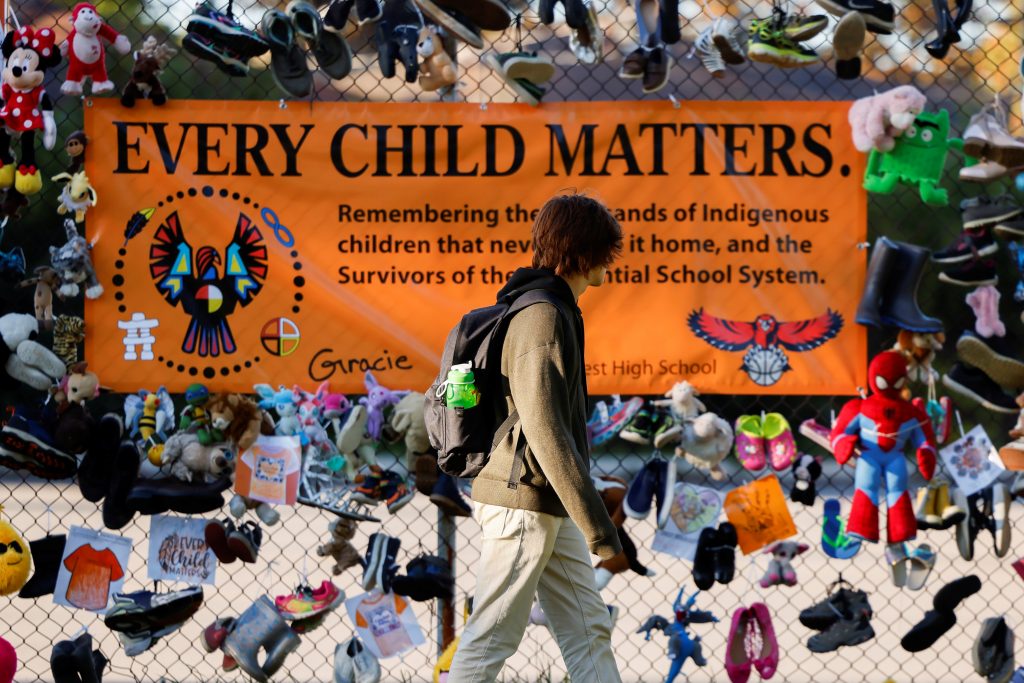
One glaring omission is the inadequate representation and amplification of Indigenous voices. The struggles, triumphs, and diverse perspectives within Indigenous communities are frequently overlooked, perpetuating a historical pattern of marginalization.
Sensationalism tends to take precedence over substantive reporting. Media outlets may prioritize sensational stories that grab attention rather than dedicating resources to in-depth investigative journalism that could unearth the root causes of racial disparities and discrimination.
Some argue that Canadian media often engages in episodic reporting rather than sustained coverage. Racial issues are not one-off events but deeply entrenched societal challenges. The lack of consistent, ongoing coverage may contribute to a limited public understanding of the persistent nature of racial inequities.
Another critical aspect is the composition of newsrooms. The lack of diversity within these spaces can impact the framing of stories and the perspectives presented. A more diverse representation in newsrooms is seen as crucial for ensuring a multiplicity of voices and nuanced storytelling.
While some newsrooms may make efforts to diversify, there are concerns about tokenism and performative diversity. True inclusion involves not just diverse faces but also an inclusive culture that values and integrates a range of perspectives.
The critique of the Canadian media’s handling of racial issues suggests a need for introspection and transformation. A more nuanced, intersectional, and substantive approach is essential for fostering a better-informed public discourse on racial dynamics. As Canada grapples with its own historical and contemporary challenges, the media’s role in shaping narratives becomes increasingly pivotal in steering the nation towards a more equitable and inclusive future.