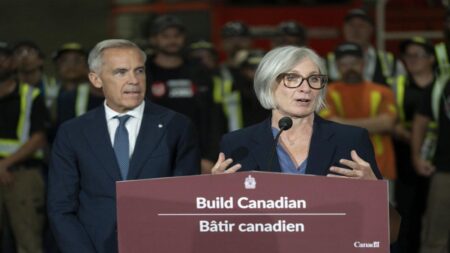






As Canada navigates the complexities of a post-pandemic economic landscape, the need for strategic fiscal policy adjustments has never been greater. With inflation at levels not seen in decades, increasing interest rates, and geopolitical tensions affecting global supply chains, the Canadian government faces a formidable task. This feature explores expert opinions on the necessary fiscal policy adjustments and the potential paths forward for Canada’s economy.
The Current Economic Landscape
Canada’s economy has been recovering from the COVID-19 pandemic, but challenges persist. According to the Bank of Canada, the inflation rate surged above 6% in recent months, driven by rising energy costs and supply chain disruptions. The central bank is grappling with balancing the need for economic growth against the pressures of inflation and interest rate hikes.
“We find ourselves in a unique situation where every fiscal decision has significant implications,” says Dr. Lisa Chang, an economist at the University of Toronto. “The debate is no longer about whether to adjust fiscal policies, but how and when to do so effectively.”
Expert Insights on Fiscal Adjustments
Balancing the Budget vs. Stimulating Growth
One of the most contentious issues among experts is the balance between reducing deficits and fostering economic growth. Michael Harper, a senior policy advisor for the Ottawa Economic Institute, argues for an active approach to fiscal stimulus. “While balancing the budget is crucial, the government should prioritize investment in key sectors like technology and green energy to stimulate growth,” he asserts.
Conversely, Dr. Emily Renshaw, a fiscal policy consultant based in Vancouver, warns against excessive borrowing. “The future of our economy depends on our ability to manage debt sustainably. The government needs to focus on fiscal responsibility while ensuring essential services remain untouched.”
“We have to make tough decisions; investing in growth today may yield higher returns tomorrow.” – Michael Harper
Targeting Inequities in Recovery
Another critical aspect of Canada’s fiscal policy adjustments lies in addressing the inequities exacerbated by the pandemic. “The pandemic disproportionately affected marginalized communities, and our fiscal policies need to reflect that reality,” states Dr. Alia Khatta, a research fellow at the Canadian Centre for Policy Alternatives.
According to Khatta, targeted investments in affordable housing, healthcare, and education for underprivileged communities can help ensure a more equitable recovery. “A holistic approach is essential to not only recover from current economic woes but also to build a more resilient future,” she emphasizes.
Taxation Policy: A Path of Renewal
Tax reforms have emerged as a central talking point in discussions surrounding fiscal policy adjustments. Experts are divided on how best to reform Canada’s taxation system to support economic recovery and stability.
Professor James Reynolds, a tax policy expert at McGill University, advocates for closing tax loopholes and increasing corporate tax rates. “By ensuring that corporations pay their fair share, we can generate revenue that can be reinvested in public services,” he notes.
Alternatively, advocates for lower taxes argue that reducing the tax burden on individuals and businesses can stimulate investment and consumer spending, acting as a catalyst for growth. “We must carefully consider the implications of tax increases on economic dynamism,” cautions Aaron O’Donnell, a tax consultant in Calgary.
The Role of Federalism in Fiscal Adjustments
Canada’s federal structure complicates fiscal policy decisions, often requiring collaboration between provincial and federal governments. This intergovernmental dynamic can either facilitate or hinder effective responses to economic challenges.
“Coordination is key,” remarks Dr. Angela Forsythe, an expert in federalism and public policy. “The federal government must work closely with provinces to identify priorities and ensure resources are allocated efficiently based on localized needs.”
“Collaboration among provinces and the federal government is essential for a cohesive fiscal strategy.” – Dr. Angela Forsythe
The Future of Canada’s Fiscal Policy
The path forward for Canada’s fiscal policy is laden with challenges, yet laden with opportunities for innovative approaches to economic recovery. As experts converge on solutions, key themes emerge—a need for strategic investment, equitable resource allocation, and collaborative federalism.
“In times of uncertainty, one thing is clear: our fiscal policy must adapt and evolve to keep pace with the realities of our economy,” concludes Dr. Lisa Chang. “It’s not just about addressing the immediate concerns but setting the stage for long-term prosperity.”
Conclusion
As Canada contemplates its fiscal policy adjustments, the insights from leading experts underscore the complexity and urgency of the matter. Creating a balanced approach that nurtures growth while maintaining fiscal sustainability may be challenging, but it is an essential endeavor for the future of Canada’s economy. The discussions and debates surrounding these topics will undoubtedly shape the economic landscape for generations to come.
Related Products
Follow Canada News Media
Get the day's top Canadian stories and our two daily 60-second news videos wherever you scroll.
X Threads Facebook Instagram LinkedIn TikTok YouTube Pinterest Reddit Substack Flipboard Newsletter RSS