



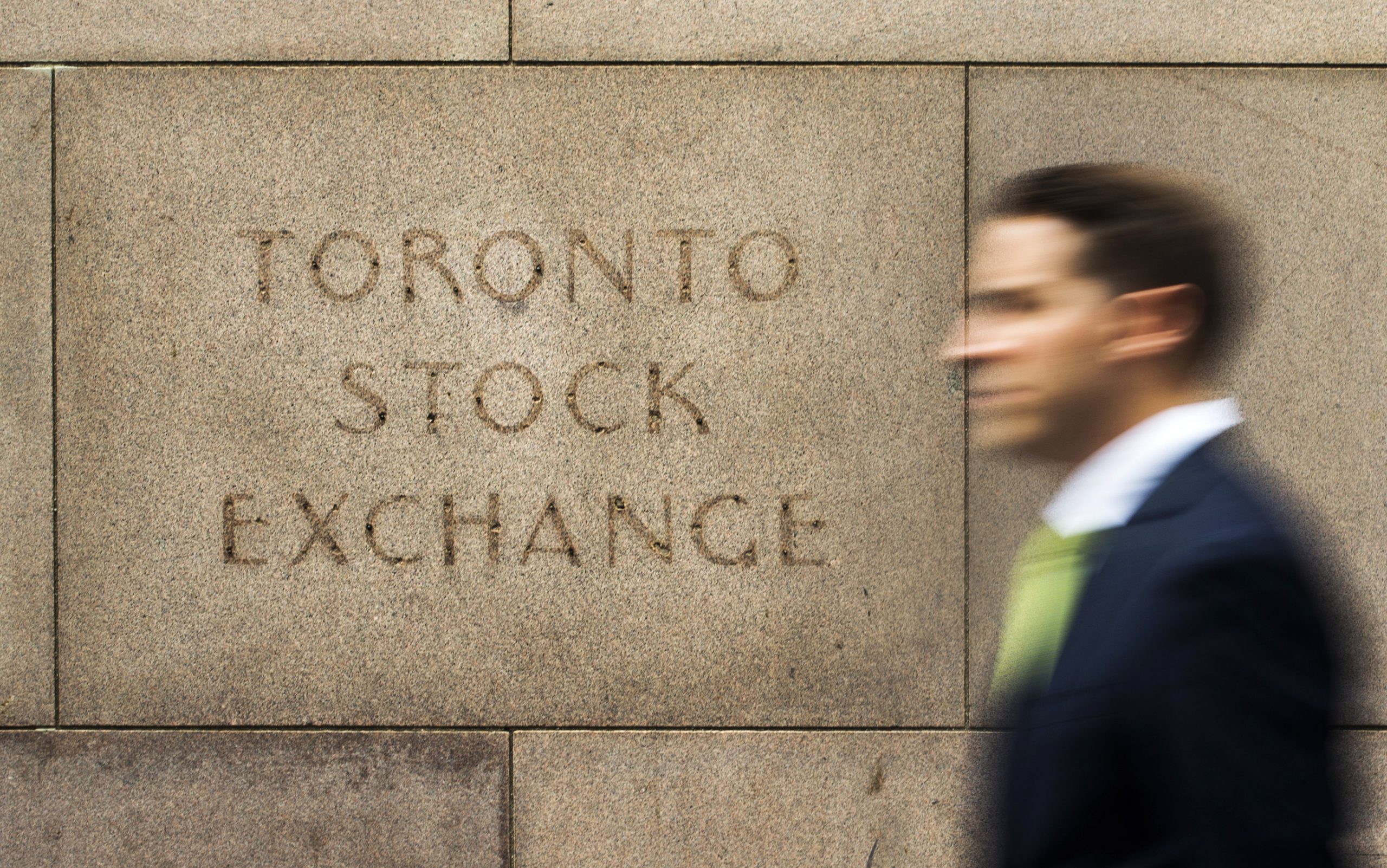
As an investor in the stock market, it’s become increasingly complicated to remain diligent throughout the unpredictable yet violent waves of volatility.
The TSX index since the beginning of the year is down just over 10%. As a result, investors have become more pessimistic as the market continues to trend downwards without much certainty ahead. Although, it’s important to remember that in the past 5 years, the TSX index has returned over 25%, which includes the massive crash in 2020 that decimated many investors.
However, continued fears of rising inflation and interest rates have lowered the risk tolerance of investors significantly compared to the same time a year ago. As of June’s Consumer Price Index (CPI) data, inflation in Canada is 8.1%, compared to 7.7% in the month prior. Interest rates are adding additional pressure to the average investor’s portfolios now that it has risen to 2.5%.
Although, small signs are beginning to show that inflation could be beginning to slow. International commodities have begun to fall after demand cooled off from all-time highs. Let’s uncover exactly why.
Commodities Adding Pressure
Since oil and natural gas companies control a sizable portion of the TSX index, it’s critical to understand where commodities are trading now, in the short-term, and even in the long term. Historically, sky-high prices that investors and consumers recently witnessed are not sustainable over longer periods. Although, that didn’t stop the WTI Crude price from reaching nearly $125 per barrel in March of this year.
As a result, Canadian oil companies such as Suncor, Cenovus, and Canadian Natural Resources saw their share prices rocket, in some cases, to all-time highs while massive growth in earnings followed shortly after. However, oil and gas prices are unlikely to remain as high, unless the supply for the commodities greatly reduces, thus increasing demand. This could, if the sell-off was substantial enough, rock the TSX index over the next coming months.
Monetary TIghtening Impacts Investors
Since raising interest rates to 2.5%, the Bank of Canada has begun incentivizing investors to look elsewhere in the market as bonds, GICs, and other low-risk asset classes become more favourable in a less certain market.
Interest rates affect more than the risk tolerance of investors as it also reduces the available money supply within the economy. With time, the Bank of Canada believes this could reduce inflation and potentially bring it down to its historical average of 3.8% or lower. Ideally, inflation between 1-2% would be optimal for more investors to feel comfortable investing in Canadian stocks once again. Runaway inflation affects balance sheets dramatically through rising costs associated with producing goods and services, a lower inflation rate would increase profit margins and possibly bring more value to shareholders through higher dividend payouts.
Summary
Overall, it appears the TSX index could face some headwinds from oil and gas stocks which have had their respective commodities decline over the past few months. Inflation has likely neared its peak as multiple major items in the inflation index have fallen compared to June’s data. Over the long term though, the TSX index is more than capable of producing stable returns for investors who are optimistic about the future of Canadian stocks. In fact, Canada’s economy remains one the strongest in the world, making it a compelling candidate for a bull market in the future.
Follow Canada News Media
Get the day's top Canadian stories and our two daily 60-second news videos wherever you scroll.
X Threads Facebook Instagram LinkedIn TikTok YouTube Pinterest Reddit Substack Flipboard Newsletter RSS