


By Times Chronicle Staff
The BC Centre for Disease Control (CDC) is reminding people to take prevention measures and seek care as levels of influenza and Respiratory Syncytial Virus (RSV) infections in the province rise resulting in three influenza-associated deaths among children (under the age of 19) in the last two weeks of December 2023.
The BC CDC says the elevated influenza and RSV activity is similar to levels experienced before the COVID-19 pandemic. In children, influenza activity is at the highest levels since the start of this respiratory season, “serving as a reminder for families to take proactive steps to reduce their risk of serious illness.”
The BC CDC said its thoughts are with the families and communities affected by the loss of a loved one.
Early findings indicate the two children experienced secondary bacterial infections contributing to severe illness which can be a complication of influenza.
Death is a rare outcome of influenza among children, particularly otherwise healthy school-aged children and teens, the CDC highlights, but adds that secondary bacterial infections such as streptococcal infections, can result in rapid clinical deterioration and are important contributors to influenza-associated morbidity and mortality
Influenza activity in BC has been increasing since November and is currently at the highest levels since the start of this respiratory season, predominated by influenza A(H1N1). Elevated influenza activity is expected to continue and there has been a reported rise in invasive group A streptococcal infections in children observed in BC.
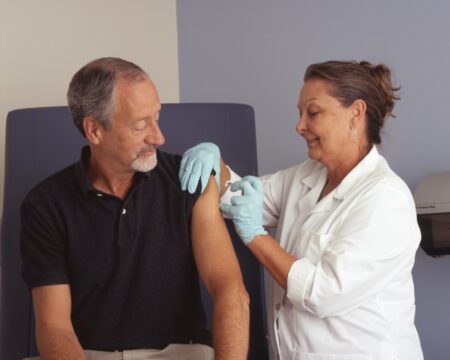
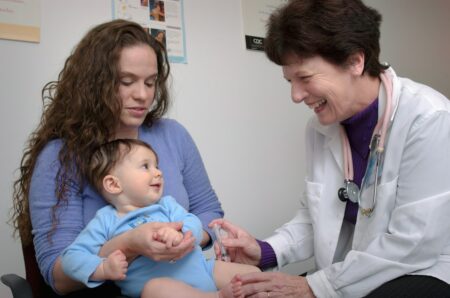
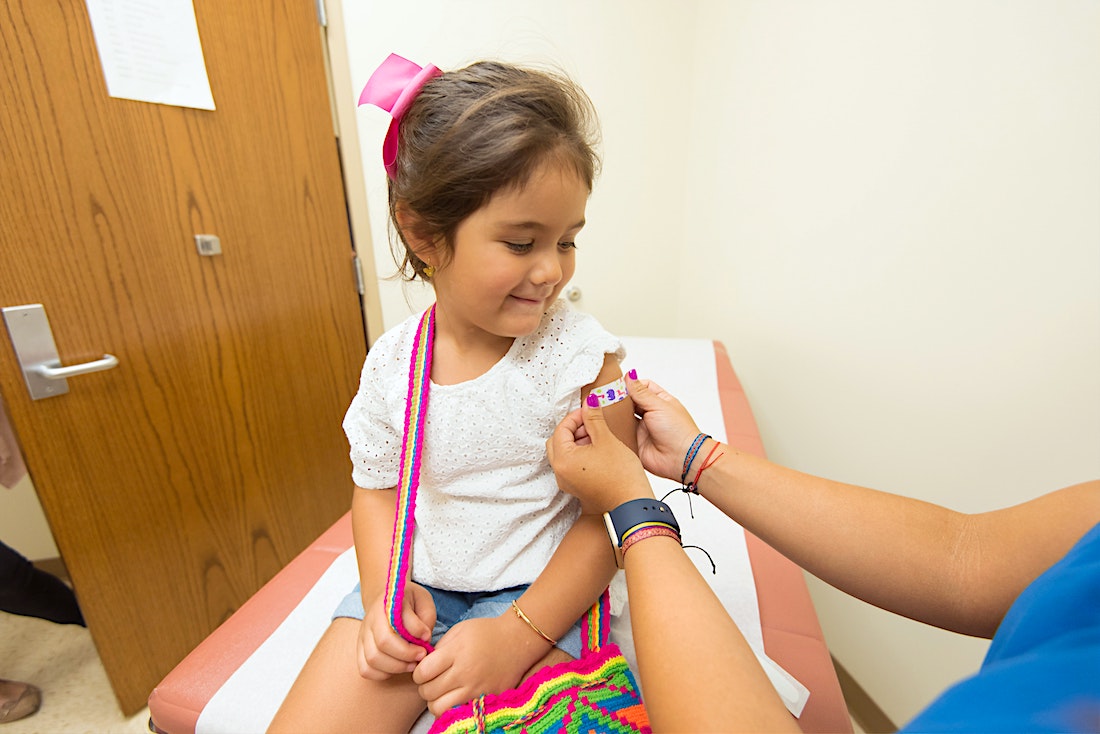
The CDC said this year’s influenza vaccine appears to be well matched to the influenza viruses circulating in BC. “Getting immunized is the best way to prevent serious illness. Vaccination is particularly important for children at highest risk of severe outcomes,” it added.
These severe outcomes can occur in the following situations:
- children with chronic medical conditions such as: heart or lung disorders that require regular medical care, such as asthma, chronic obstructive pulmonary disease, or cystic fibrosis;
- children with kidney disease, chronic liver disease such as hepatitis, diabetes, cancer, anemia or weakened immune system;
- children with health conditions causing difficulty breathing, swallowing or a risk of choking on food or fluids, such as people with severe brain damage, spinal cord injury, seizures or neuromuscular disorders;
- children and teenagers required to take Aspirin or ASA for long periods of time due to a medical condition;
- children who are very overweight;
- infants and toddlers.
Prevention
There are a number of steps families can take to reduce their risk of serious infection from respiratory viruses and to prevent others from becoming ill.
These include getting immunized which the CDC says is the best way to prevent serious illness. Influenza and COVID-19 vaccines are available to all children aged six months and older. Everyone registered with the Get Vaccinated system will receive an invitation to book an appointment to get immunized.
Stay at home if you’re feeling sick and if you have any symptoms of respiratory illness and must leave your home, practice respiratory etiquette including:
- wear a mask in indoor public spaces;
- cough and sneeze into your elbow;
- clean your hands regularly;
- avoid touching your face, especially your eyes, mouth and nose;
- if you’re sick, stay away from people at higher risk of serious illness.
The CDC says most children with influenza and other respiratory viruses recover safely at home without the need for medical intervention.
For children at high risk of severe complications, parents should consider talking to their care provider about early access to an influenza anti-viral drug called oseltamivir (Tamiflu), which is most effective against influenza if started within 12 hours, and ideally not later than 48 hours after illness onset.
Parents and caregivers of children who experience any symptoms of concern, such as difficulty breathing or fever in a child under three months of age, should seek immediate medical attention. Call 9-1-1 for an ambulance or visit your nearest emergency department or urgent and primary care centre.
In addition to monitoring for respiratory infections, the BC CDC and BC Children’s Hospital issued an information bulletin on December 22, 2023 about a rise in infections from invasive group A streptococcal (iGAS) bacteria in people under age 20, noting a progressive increase in annual infections since 2016.
If you are unsure whether your child requires emergency care, speak to your healthcare provider such as a family doctor, nurse practitioner or walk-in clinic provider. Caregivers can also call HealthLinkBC at 8-1-1 for free healthcare guidance, available 24/7. The BC Children’s Hospital website offers information on when to seek emergency care based on your child’s symptoms.
More information can be found at the following links: