


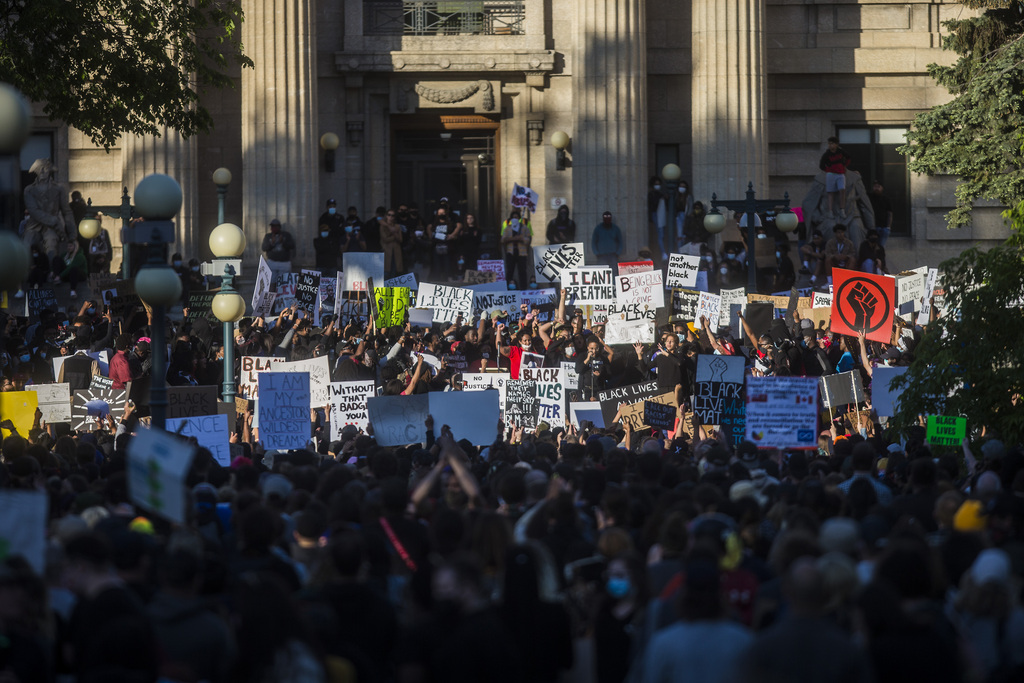
After weeks of prohibiting Manitobans from holding outdoor gatherings of more than 50 people, the province’s chief public health officer didn’t have a problem with 15,000 people crowding together on the west side of the legislature at last Friday’s Justice 4 Black Lives rally.
“Everything we do has that balance — the need for this demonstration, balanced against some of the risks,” Dr. Brent Roussin said Monday at a COVID-19 briefing.
The need for the demonstration — expressing outrage at racial injustice and police brutality against black people, including the May 25 death of unarmed George Floyd, who was killed when a Minneapolis police officer knelt on his neck for nearly nine minutes — outweighed the need for public health order enforcement.
“From a public health perspective, our message is to try to keep the groups to the recommended size and to wear medical masks where physical distancing wasn’t available — but do try to physically distance,” Roussin said.

An estimated 15,000 people gathered at the Manitoba Legislative Building on Friday during the Justice 4 Black Lives rally. (Mikaela MacKenzie / Winnipeg Free Press files)
Manitoba’s top doctor has said in the past that events like festivals, fairs, concerts and Blue Bomber games are verboten — and likely will be until at least September — because prolonged, close contact among people increases the risk of transmission of the virus.
Phase 2 reopening guidelines specify that people sitting or standing at indoor or outdoor events should allow for at least two metres of separation between themselves and non-household members. Roussin has expressed concern about opening up religious services to large crowds for that reason and because singing that can result in the spread of COVID-19 droplets.
“Where we are with COVID-19, we know large group settings carry some risk for transmission — that’s why we limit the group’s size,” Roussin said Monday. “Certainly outdoors is a less-risky situation.”
He didn’t take issue with people yelling and chanting while standing shoulder to shoulder for more than two hours to raise their voices against police brutality and racism.
With no new coronavirus cases to report on Monday — after three days and 2,217 COVID-19 samples in Manitoba all testing negative — there is less chance of an outbreak at a Winnipeg rally, as long as no one with symptoms attended.
.jpg)
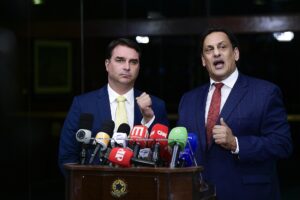
Dr. Brent Roussin says being outdoors is less risky than indoor settings. (John Woods / The Canadian Press files)
Roussin advised all Manitobans — not just rally-goers — to watch for COVID-19 symptoms and get tested, even if they are mild. Symptoms include fever, sore throat, cough, shortness of breath and headache. They can take up to 14 days to show up but most people will develop COVID-19 symptoms within seven to 10 days of being exposed, said Roussin.
Manitoba hasn’t been hit nearly as hard by COVID-19 as many other jurisdictions, thanks to timing and geography. Provincial health officials learned from what was happening elsewhere and had time to prepare before the first positive case was detected in Manitoba on March 12. Because Winnipeg isn’t a major international destination or travel hub, it didn’t have to worry about as many direct flights from COVID-19 hot spots.
That has allowed the province to lift many of its restrictions sooner and to a greater extent than other places, and to not sound the alarm on an event like Friday’s massive gathering outside the Manitoba legislature.
In Australia, Prime Minister Scott Morrison urged against attending Black Lives Matter marches on June 6 because of the coronavirus risk, but tens of thousands took part anyway. Like Manitoba, that jurisdiction has flattened the COVID-19 curve and reports less than one per cent of Australians testing positive. National health figures show that country had just five new cases reported Monday, with a total of 7,265 cases since the start of the pandemic.
Britain’s health minister pleaded with residents not to rally in cities like London, Manchester and Birmingham to stop the virus’s spread. That country has the highest number of COVID-19 deaths in Europe. As of Monday afternoon, 40,597 people had died, British public health authorities reported.
Despite the warnings, crowds showed up at Black Lives Matter rallies in Britain anyway — despite the cold weather and warnings by the police that mass gatherings would violate the rule that only six people from different households could gather outside during the pandemic.
— with files from The New York Times

Carol Sanders
Reporter
Carol Sanders’ reporting on newcomers to Canada has made international headlines, earned national recognition but most importantly it’s shared the local stories of the growing diversity of people calling Manitoba home.

Follow Canada News Media
Get the day's top Canadian stories and our two daily 60-second news videos wherever you scroll.
X Threads Facebook Instagram LinkedIn TikTok YouTube Pinterest Reddit Substack Flipboard Newsletter RSS