


The Canada Premium Bond was a federal government savings bond that paid a higher interest rate than the regular Canada Savings Bond in exchange for less flexibility, because it could be cashed only once a year. It is no longer sold, and every Canada Premium Bond had matured and stopped earning interest by December 2021, according to the Bank of Canada.
Ottawa added the premium bond to its retail savings program in 1998 and sold it each fall alongside the Canada Savings Bond, through banks, credit unions and investment dealers. Like the savings bond, it was backed by the Government of Canada and could not be sold to another person. The Bank of Canada ran the program for the Department of Finance.
The two bonds were built for different savers. A Canada Savings Bond could be cashed at any time, and its rate was posted one year at a time, though the government could raise it during that year if market rates rose. A Canada Premium Bond could be cashed only on the anniversary of its issue date and during the 30 days that followed. In return, its rates were set for several years in advance and guaranteed, so a buyer knew from the start what the bond would earn over that period.
The fall 2009 campaign shows how the trade-off worked. According to a Department of Finance announcement that October, the premium bond series sold that year paid 1.00 per cent in its first year, 1.40 per cent in its second and 1.80 per cent in its third, while the matching Canada Savings Bond series started at 0.40 per cent with later rates still to be announced. Both series had 10-year terms to maturity, with rates for the later years set as they came.
Interest was taxable income. Because the bond could be redeemed only once a year, holders who needed money between anniversaries had to wait or borrow, which is why the premium bond suited people saving for a set goal rather than an emergency fund.
The premium bond ended with the rest of the program. The federal government announced in its March 2017 budget that it would stop selling retail savings bonds, citing declining sales, the wide range of other savings products available and the cost of running the program. The last sales took place on Nov. 1, 2017. Bonds already sold kept earning interest until they matured, and all had reached maturity by December 2021.
For anyone who still holds a premium bond certificate, the once-a-year restriction no longer matters. A matured bond can be cashed at any time for its face value plus the interest earned up to maturity, but it earns nothing more while it waits. The Bank of Canada says paper certificates can be redeemed at the financial institution where the holder banks or invests, as its guide to redeeming bonds explains.
Owners of lost, stolen or destroyed certificates can still be paid. They must report the loss to the Bank of Canada, explain how it happened and give the bond’s value, and a surety premium is charged before payment. Executors settling an estate should look through a relative’s papers for certificates, and anyone unsure whether a bond was already paid out can contact the Bank of Canada.
Nothing quite like the premium bond is sold today. Savers who want a guaranteed rate for a fixed period now generally look at guaranteed investment certificates, many of which also limit early withdrawals in exchange for a higher rate, or at Government of Canada bonds bought through a dealer. Eligible deposits at member institutions are protected by the Canada Deposit Insurance Corporation up to $100,000 per insured category. Readers comparing options should check their own situation with a qualified adviser.
If you find reporting like this useful, consider supporting Canada News Media, an independently owned Canadian newsroom.
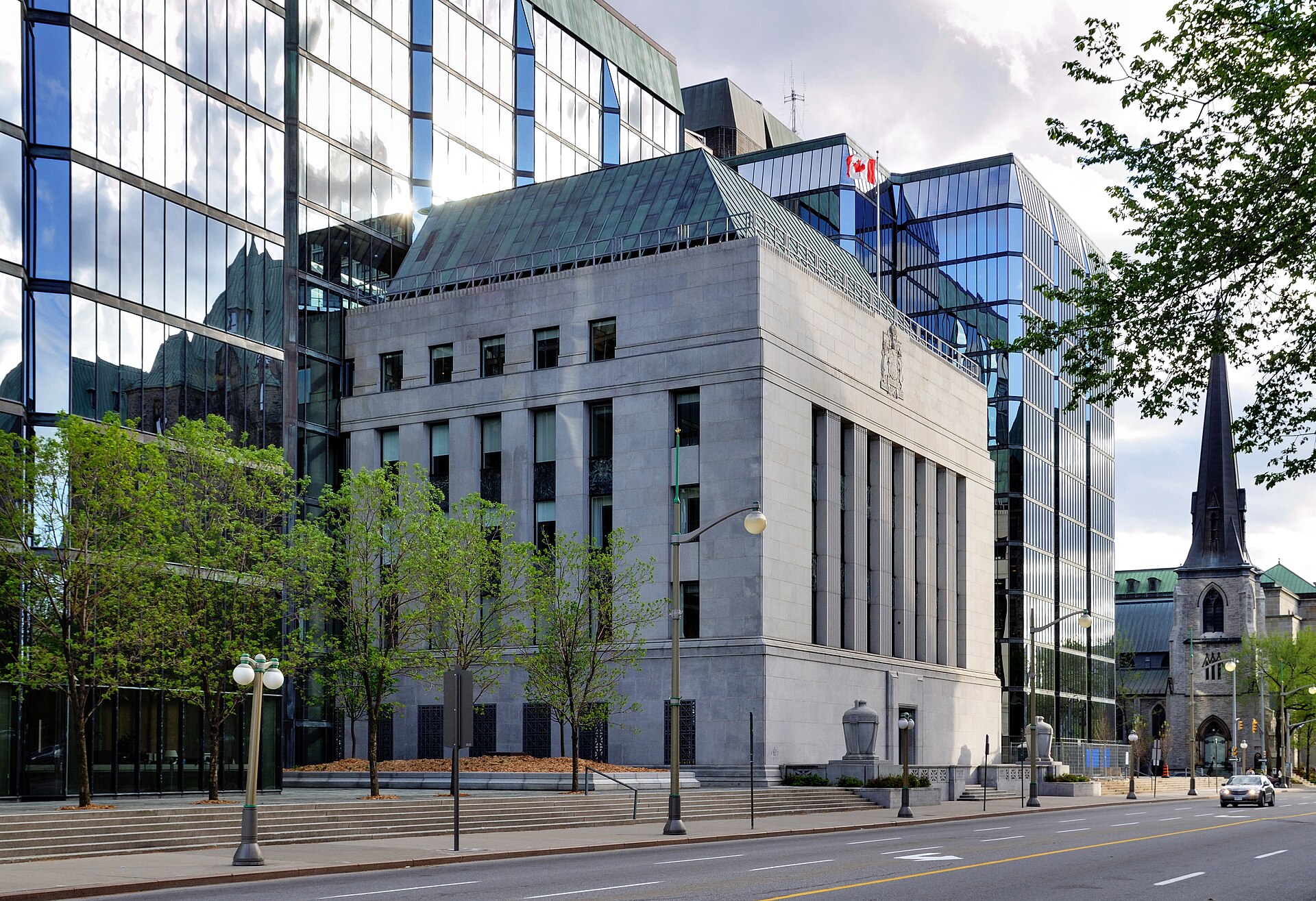
File photo: the Bank of Canada in Ottawa. Photo by Wladyslaw, Wikimedia Commons, CC BY-SA 3.0.
Follow Canada News Media
Get the day's top Canadian stories and our two daily 60-second news videos wherever you scroll.
X Threads Facebook Instagram LinkedIn TikTok YouTube Pinterest Reddit Substack Flipboard Newsletter RSS