




RSV: The breath-stealing virus that has New York scientists on the hunt for a vaccine
RSV, or respiratory syncytial virus, can be deadly to kids under 5 or adults over 65
Pfizer, Rockland/Westchester Journal News
Hospital emergency rooms here and across the country are swelling with young patients who are sick, including some struggling to breathe properly, as cases of respiratory syncytial virus, or RSV, climb and the indoor season begins to bring on other similar viruses.
Cincinnati Children’s Hospital Medical Center is alerting families to long wait times at emergency departments and encouraging them to contact their children’s pediatricians.
“Cincinnati Children’s Hospital is very busy,” said Dr. Felicia Scaggs Huang, associate director of infection prevention and control at the hospital. “We have more people admitted for respiratory illnesses than usual.”
She said the hospital has the capacity to take other admissions when appropriate. “We are not turning away any patients who require admission for respiratory illnesses. And we will always be working to provide high-quality care to our pediatric patients.”
We asked the experts:Should I get one of the new COVID-19 boosters?
More:At start of pandemic, kids’ routine immunizations lagged. Why are they still down?
We asked the doctor for tips for parents and other caregivers, who are keeping a close eye on their children’s noses and assessing for signs of difficulty breathing.
Q. What is respiratory syncytial virus?
A. Respiratory syncytial virus is a virus that most children have been exposed to by the time they’re 2 years old. Symptoms vary from just a mild cold to bronchiolitis, or inflammation of the small airways in the lungs, or pneumonia. A lot of children were not exposed to RSV in the past couple of years because the COVID-19 pandemic changed how people interacted. So a lot of kids are getting RSV now because it’s the first time their immune system has encountered it.
Q. Is RSV on the rise?
A. We are seeing more respiratory illness-related admissions overall as well as an increase in the number of positive RSV and influenza tests.
Q. How can I help my child avoid this virus?
A. The virus is contracted through respiratory droplets and contact with surfaces that have these droplets on them. Go with the usual prevention strategies: Wash your hands thoroughly and frequently with soap and water. Keep your hands off your face. Avoid close contact with those who are sick. Disinfect surfaces. If you are sick, cover your mouth and nose when coughing or sneezing, wash your hands afterward, and stay home (or keep your children home).
Q. I heard it’s tough to recognize RSV. How can I know if my child has it?
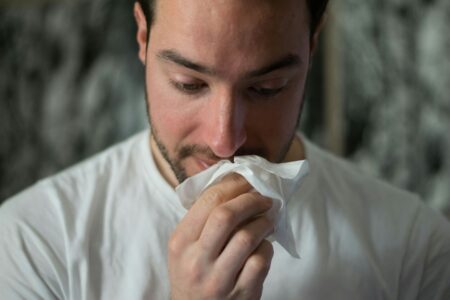
A. The virus can be clinically indistinguishable from other respiratory viruses. In older kids, it often manifests as just a cold. Children who are less than 6 months old or who have chronic medical conditions like asthma can present with more severe symptoms. Over time, the virus can progress and involve the small airways in the lungs, which could cause wheezing, breathing fast, or looking uncomfortable while breathing. Young infants may have pauses in their breathing or apnea. If you see those symptoms, in addition to your child not eating and drinking enough, call your pediatrician. Focusing on the hydration status and work of breathing can also help determine if your child needs to get evaluated.
Q. How do hospitals treat the virus?
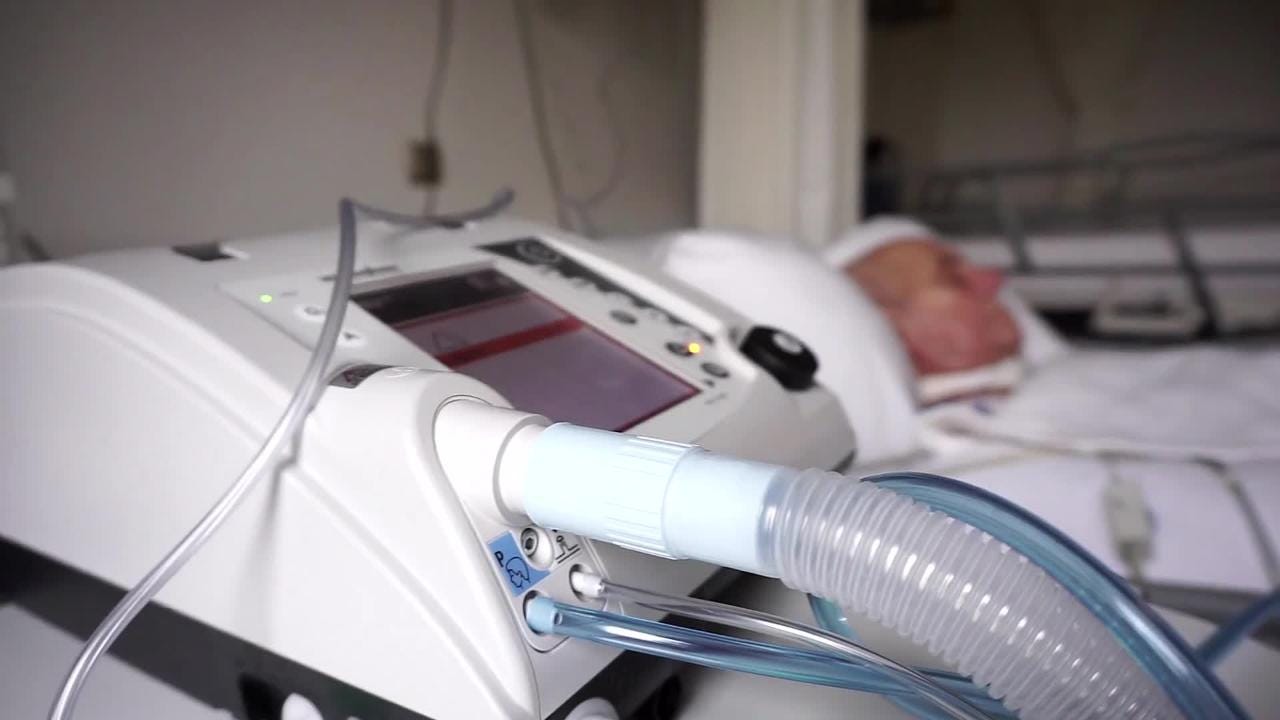
A. If a baby or child develops bronchiolitis – a wheezing-type illness that involves smaller airways in the lungs – or pneumonia, we treat it with what we call supportive care. So, providing oxygen if a child needs it. Often, these children have a lot of secretions, so we help suction them out. And we would give a child IV fluids if they need them. However, there aren’t antibiotics or antivirals that can help treat RSV at this time.
Q. Is there a vaccine to guard against the virus?
A. There is not currently a vaccine that is available to the general public for RSV unfortunately. At Cincinnati Children’s, we are working to develop a vaccine candidate for RSV to help prevent severe disease in children who are most at risk.
More: Vaccine for pregnant people?RSV vaccine during pregnancy could prevent life-threatening respiratory virus in infants
Q. What other respiratory illness may be on the rise?
A. Many experts are predicting overall we will have a very busy respiratory illness season. These experts are also predicting that we will see an increase in COVID-19 over the holiday season as families get together with relatives from out of town. Being up to date with your COVID-19 vaccination is very important. I have an infant and a toddler who are fully vaccinated against influenza and COVID-19, and I will get them boosted when they’re eligible. I think other parents should too.