


Recent developments:
What’s happening today?
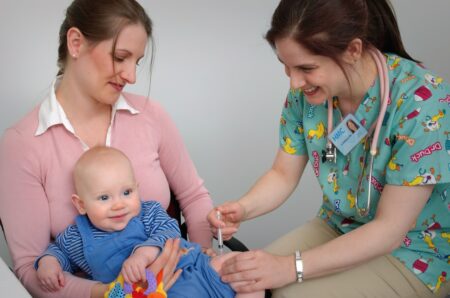
COVID-19 is adding another layer of uncertainty and stress for new moms and dads during one of life’s major milestones.
Send in your questions about COVID-19 and the workplace for CBC Radio’s Ottawa Morning‘s weekly Q&A on Wednesday after 8 a.m.
Over the weekend testing in Ontario was expended and now any Ottawa resident who wants a COVID-19 test can now get one.

How many cases are there?
There have been 1,896 confirmed cases of COVID-19 in Ottawa and 233 deaths linked to the respiratory illness. There are just under 3,000 known cases across eastern Ontario and western Quebec.
Over 2,200 people in the region have recovered from COVID-19.
The deaths of 49 people in Leeds, Grenville and Lanark counties and 29 more in the wider region have also been tied to the coronavirus.
Confirmed cases are just a snapshot because not everyone can be tested and results take time to process, though testing criteria are being expanded.
What’s open and closed?
Ontario is in “stage one” of its three-stage reopening plan. When ready, its next stage will take another step toward bringing more offices, outdoor spaces and gatherings back.

Quebec now allows larger outdoor gatherings. Its libraries and museums can reopen Friday and services such as dentist offices and hair salons can reopen June 1.
Gatineau Park and provincial parks are now open with limits, like the National Capital Commission and Ottawa-Gatineau city parks.
National parks start to reopen June 1.

Ottawa has cancelled event permits until the end of August. Quebec has asked organizers to cancel events until September.
Ontario schools will stay closed through the summer. Post-secondary schools are moving toward more online classes this fall, with the province promising a fall plan for younger students by July.
Quebec elementary schools outside Montreal are open. Its high schools, CEGEPs and universities will stay closed to in-person classes until fall.
Distancing and isolating
The coronavirus primarily spreads through droplets when an infected person coughs or sneezes. People don’t need to have symptoms to be contagious.
That means physical distancing measures such as avoiding non-essential trips, working from home, not gathering and staying at least two metres away from anyone they don’t live with.
Ottawa Public Health recommends people wear a fabric or non-medical mask when they can’t always stay two metres from strangers, such as at a grocery store.

Anyone who has symptoms, travelled recently outside Canada or, specifically in Ottawa, is waiting for a COVID-19 test result must self-isolate for at least 14 days.
The same goes for anyone in Ontario who’s been in contact with someone who’s tested positive or is presumed to have COVID-19.
People 70 and older or with compromised immune systems or underlying health conditions should also self-isolate.
What are the symptoms of COVID-19?
COVID-19 can range from a cold-like illness to a severe lung infection, with common symptoms including fever, a dry cough, vomiting and the loss of taste or smell.
Less common symptoms include chills, headaches and pink eye. The Ontario government says in rare cases, children can develop a rash.
If you have severe symptoms, call 911.
Everyone in Ontario who has symptoms of COVID-19 should present themselves for testing.
Where to get tested
In Ottawa any resident who feels they need a test, even if they are not showing symptoms, can now be tested.
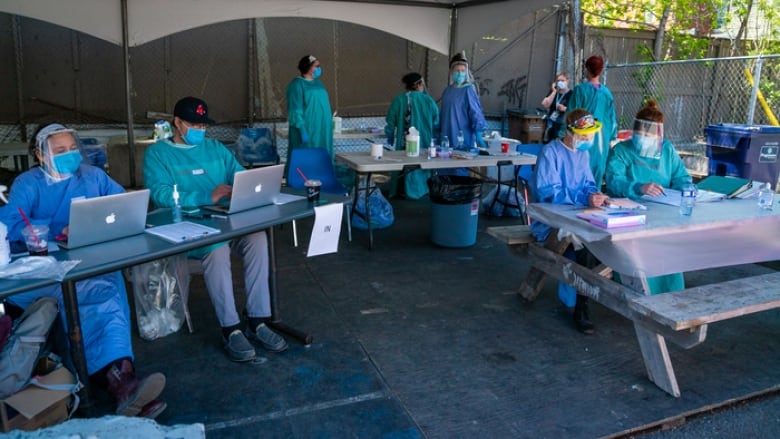
Tests are done at the Brewer Arena from 9 a.m. until 3:30 p.m., seven days a week, or at 595 Moodie Dr. and 1485 Heron Rd. those same hours on weekdays.
In Kingston, the assessment centre at the Kingston Memorial Centre is open Monday to Friday from 10 a.m. to 6 p.m. and on weekends from 9 a.m. to 12:30 p.m. for anyone with symptoms.
For local residents and employees who work in the Eastern Ontario Health Unit area, there is a drive-thru test centre in Casselman and assessment centres in Hawkesbury and Winchester that don’t require people to call ahead, and others in Rockland, and Cornwall that require an appointment.
WATCH: Debate over future of Parliament resumes Monday
The Leeds, Grenville and Lanark unit asks you to call it at 1-800-660-5853, ext. 2499 if you have questions after doing the province’s self-assessment.
It has testing sites open in Almonte and Smiths Falls which require a referral, as well as a walk-in site in Brockville at the Memorial Centre and a home test service for people in care or with mobility challenges.
WATCH: The National‘s regular COVID-19 Q&A
The public health unit in the Belleville area is asking people to call 613-966-5500 with questions.
You can still arrange a test if you have symptoms by calling one of its testing centres in Belleville, Trenton or Bancroft. If you’re interested in the Picton centre, call the health unit, TeleHealth or your family doctor.
You may also qualify for a home test.
Renfrew County is also providing home testing under some circumstances. Residents without access to a family doctor can call 1-844-727-6404 if they have health questions after doing the self-assessment.
In western Quebec:
Outaouais residents should call 819-644-4545 if they have symptoms. They could end up being referred to Gatineau’s testing centre.
First Nations communities
Local communities have declared states of emergency, put in a curfew or both.
Akwesasne has opened a mobile COVID-19 test site available by appointment only. Anyone returning to Akwesasne who’s been farther than 80 kilometres away is asked to self-isolate for 14 days.
Anyone in Tyendinaga who has symptoms can call 613-967-3603 to talk to a nurse.
Pikwakanagan‘s council plans to let businesses reopen May 29 and Kitigan Zibi is keeping schools closed through the summer.
For more information

Follow Canada News Media
Get the day's top Canadian stories and our two daily 60-second news videos wherever you scroll.
X Threads Facebook Instagram LinkedIn TikTok YouTube Pinterest Reddit Substack Flipboard Newsletter RSS