


When it comes to scarcity in the housing market, could the second largest nation on the planet learn from one of the world’s smallest?
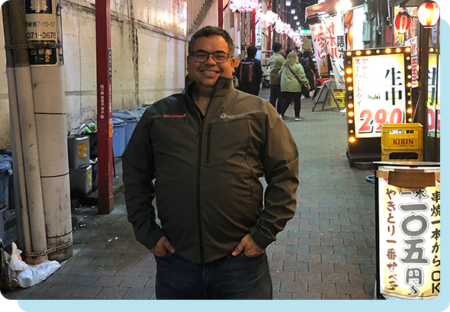
Canadian real estate investor Adam Gant thinks so. For years he’s studied how real estate markets work across cultures and continents, traveling the world to find innovative ways to improve access and affordability for North American families who are locked out of the current system, their dreams deferred.
In the tiny city-state of Singapore, he discovered something remarkable: a financing model that has resulted in a homeownership rate of 92 percent, creating a strong civic foundation of families who acquire a stake in the system by owning property.
Adam Gant returned home to Canada with this revelation and hasn’t stopped promoting it ever since. In symposia, media appearances, white papers, and even a novel, he has described the essence of the Singapore residential property system, which he terms “shared equity.” It’s a template for Canadian and U.S. financial institutions, real estate professionals and policymakers, he contends; a way to solve the endemic housing crisis that is keeping home ownership out of reach for millions.
Beginning in the early 70s, Singapore embarked on an ambitious government program to turn a nation of renters into a society of property-owning stakeholders. The vehicle for this was its Housing Development Board, or HDB, which combines housing development with financing programs that are accessible to the citizenry.
The HDB builds, sells and finances. The goal is to keep down payments low and monthly payments affordable. The benefits have cascaded through society, allowing families to accumulate equity that provides financial stability and helps ensure secure retirements.
“How the HDB is different from CMHC in Canada or the housing finance agencies like Fannie Mae and Freddie Mac in the U.S., is that the HDB developed housing projects and offered self-insured financing in them,” says Adam Gant.
“The other key, and more profound difference in Singapore’s financing model, and the major missing piece in Canada and the U.S., is that the HDB did not get all of the ‘interest’ on the mortgage financing provided from the home purchaser’s monthly payment. They deferred part of the return on capital to the eventual sale of the home.”
This financing mechanism is at the heart of the HDB’s approach, Gant explains. “The home purchaser does not have to come up with all of the funds to repay the financing out of their own pocket; the home itself covers some of the costs out of its appreciation in value over time. Singapore has even turned housing into a supplement for retirement income by having ‘full life-cycle’ options for converting equity into additional income like an annuity triggered at retirement age.”
Adam Gant laid out the principles of this “shared equity” concept in a novel he co-wrote with Patricia Nicholson in 2020. A House Shared is a fictional account of a family whose sudden misfortunes push it to the edge of bankruptcy and homelessness. Shared equity is the solution for the book’s protagonists and is presented as a template for the wider society. The concept provides an epilogue of hope, as well as a preface for fundamental change in U.S. and Canadian models of home ownership.
Stepping away from the role of narrator, Gant urges North American financial and political elites to explore ways to apply the example of the Southeast Asian city-state: “Just like Singapore has aligned their housing fund that provides the capital used to construct homes with a funding source for the long-term solution which helps home buyers build up the down payment they need to eventually own, we need housing funds that can operate the same way in Canada and the U.S. We need ‘equity funds’ that finance housing development and shared equity agreements for home purchasers.”
If Adam Gant succeeds in his mission, the Canadian author will prove wrong another writer known for his love and admiration of Singapore: Rudyard Kipling, who nearly a century before the HDP began setting an example for the world, wrote: “East is East and West is West, and never the twain shall meet.”
Follow Canada News Media
Get the day's top Canadian stories and our two daily 60-second news videos wherever you scroll.
X Threads Facebook Instagram LinkedIn TikTok YouTube Pinterest Reddit Substack Flipboard Newsletter RSS