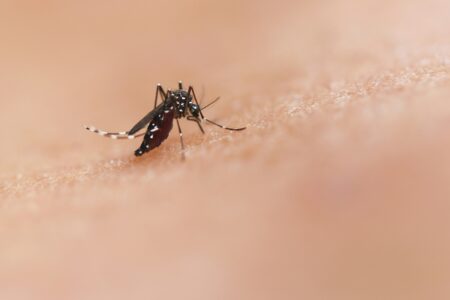




An emerging virus, colloquially dubbed “sloth fever,” has recently caused alarm after the European Centre for Disease Prevention and Control (ECDC) reported 19 imported cases of the disease in the European Union for the first time. Officially known as the Oropouche virus (OROV), this RNA arbovirus was first detected in the village of Oropouche in Trinidad and Tobago in 1955.
Sloth fever, or Oropouche fever, is a zoonotic disease primarily transmitted to humans through the bite of infected biting midges and mosquitoes. The virus has a reservoir in animals such as pale-throated sloths, non-human primates, and birds, which has led to its nickname. However, the name “sloth fever” can be misleading, as the virus is spread by insect bites, not by direct contact with sloths.
The Pan American Health Organization (PAHO) issued an epidemiological alert in July due to a rise in reported cases across Brazil, Bolivia, Peru, Cuba, and Colombia.
Several factors are driving the recent spread of the Oropouche virus. Enhanced surveillance, climate change, and potential changes to the virus itself have contributed to the outbreak. As with other vector-borne diseases like dengue, rising temperatures and changes in precipitation patterns can increase the proliferation of the midges and mosquitoes that transmit the virus.
Can You Catch Sloth Fever in Canada?
As of now, there is no evidence that the Oropouche virus has been transmitted in Canada. The biting midges that carry the virus are not currently established in Europe or North America. All cases diagnosed in Europe have been linked to travel to affected areas in Central and South America.
Who Is Most at Risk?
While much remains unknown about the Oropouche virus, one of the primary concerns is its potential impact on unborn fetuses. Some limited studies suggest that antibodies against the virus have been found in children born with microcephaly, and there may be a link between infection and pregnancy complications, such as miscarriage and fetal deaths, although more research is needed.
What Are the Symptoms?
Common symptoms of Oropouche fever include fever, rash, headache, muscle or joint pain, and weakness. Some individuals may also experience gastrointestinal symptoms and sensitivity to light. In rare cases, the virus can lead to severe complications, including neurological symptoms similar to meningitis.
Is There a Treatment?
Currently, there is no specific antiviral treatment or vaccine available for Oropouche virus. Treatment primarily focuses on managing symptoms, such as fever and pain relief. In severe cases, hospitalization may be necessary for supportive care.
What Should You Do If You’re Planning to Travel to an Affected Area?
If you are planning to travel to an area where Oropouche fever has been reported, it is essential to take precautions to prevent insect bites. Use insect repellent, cover exposed skin, and sleep under treated bed nets. If you are pregnant or have other health concerns, consult with a healthcare professional before traveling and visit the TravelHealthPro website for the latest health information and advice.
While the virus has not yet spread to Canada, travellers to affected regions should remain vigilant and take necessary precautions to protect themselves from this emerging disease.