
As Canada enters 2025, the legacy of colonialism and racism remains a pressing issue for both Black Canadians and Indigenous peoples. Despite the country’s reputation for diversity and multiculturalism, systemic inequities continue to plague these communities. From land dispossession and cultural erasure to economic marginalization and racial profiling, the experiences of Black and Indigenous Canadians serve as a stark reminder that the struggle for equality and justice is far from over.
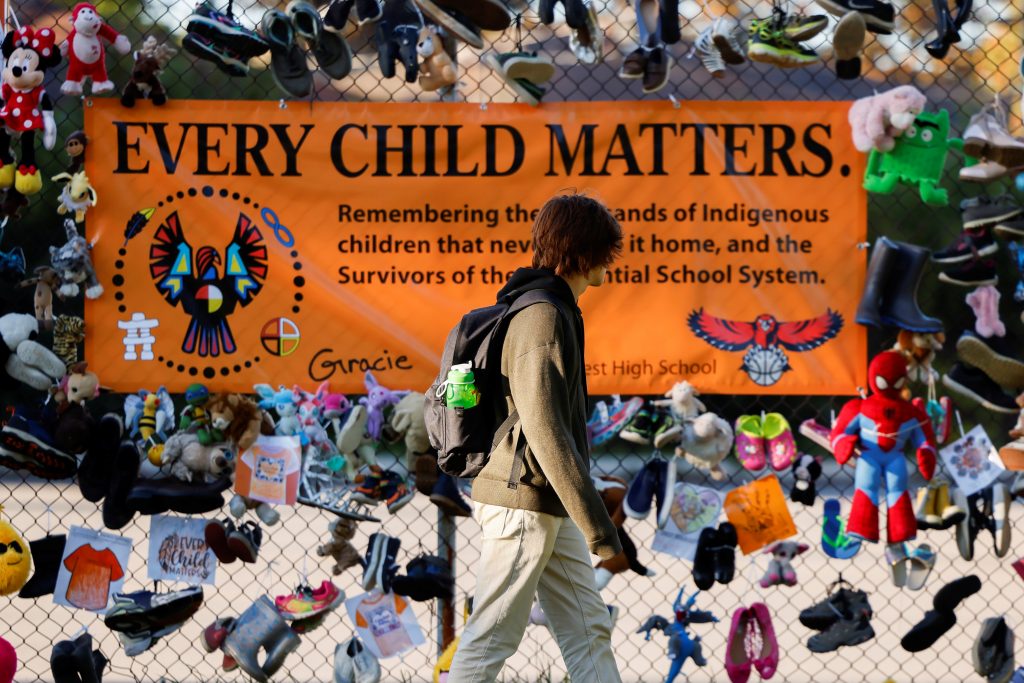
For Indigenous peoples in Canada, colonialism is not a relic of the past but a living reality that continues to shape their lives. The violent dispossession of land, the forced assimilation through residential schools, and the suppression of Indigenous languages and cultures have left deep scars that persist today. Even in 2025, Indigenous communities face significant challenges in accessing basic services such as healthcare, education, and clean drinking water.
Chief Clarence Louis of the Osoyoos Indian Band speaks about the ongoing impact of colonialism: “Colonialism never ended; it just changed its form. Our people are still fighting for our land rights, for clean water, and for the respect we deserve. The government talks about reconciliation, but it feels like empty words when we’re still being denied the resources we need to thrive.”
Black Canadians, too, face the lingering effects of colonialism, particularly through the transatlantic slave trade and the legacy of segregation. Although slavery was abolished in Canada in 1834, the structural inequalities that arose from it continue to affect Black Canadians. From systemic racism in housing and employment to the over-policing of Black communities, the struggle for racial justice is ongoing.
Dr. Afua Cooper, a historian and scholar of Black Canadian history, emphasizes the need to confront this history: “Canada likes to paint itself as a beacon of tolerance, but the reality is that Black people have been subjected to centuries of exclusion and discrimination. Until we address this history and its lasting effects, we can’t move forward.”
Racial Profiling and Policing
One of the most visible and harmful manifestations of racism in Canada is the racial profiling and over-policing of Black and Indigenous peoples. Despite efforts to reform law enforcement practices, Black Canadians are still disproportionately targeted by police. According to a 2023 report by the Ontario Human Rights Commission, Black people in Toronto are 20 times more likely to be involved in a police interaction that results in death or serious injury than their white counterparts.
Maya Thompson, a Black woman from Toronto, recalls her own experience with racial profiling: “I was driving home from work when I got pulled over for no reason. The officer claimed I fit the description of someone they were looking for, but I knew it was just because I’m Black. It’s terrifying to think that at any moment, I could be stopped or questioned just because of the color of my skin.”
For Indigenous peoples, the relationship with law enforcement is similarly fraught. Indigenous women and girls, in particular, face higher rates of violence and are often mistreated or neglected by police when they seek help. The National Inquiry into Missing and Murdered Indigenous Women and Girls (MMIWG) concluded in 2019 that this violence amounts to a “Canadian genocide,” yet progress on implementing the inquiry’s recommendations has been slow.
Lorraine Whitman, president of the Native Women’s Association of Canada, speaks to the frustration many Indigenous women feel: “We’re tired of being ignored. We’re tired of our sisters disappearing, of our mothers being murdered, and of the police treating us like we don’t matter. It’s time for real action, not more empty promises.”
The economic marginalization of Black Canadians and Indigenous peoples is another major aspect of the ongoing colonial legacy. Black Canadians continue to face barriers in employment, with unemployment rates consistently higher than the national average. A 2024 study by the Canadian Centre for Policy Alternatives found that Black workers earn, on average, 25% less than their white counterparts, even when they have similar education and qualifications.
Ahmed Hussen, a former federal minister and a prominent advocate for Black Canadians, highlights the need for targeted economic policies: “It’s not enough to talk about diversity and inclusion. We need concrete measures to address the systemic barriers that prevent Black Canadians from accessing the same economic opportunities as everyone else. That means better access to education, job training, and funding for Black-owned businesses.”
Indigenous peoples, too, face significant economic challenges, particularly in rural and remote communities. Many First Nations, Métis, and Inuit communities are still grappling with the impacts of resource extraction on their lands, which has disrupted traditional economies and caused environmental degradation. Access to housing, education, and healthcare remains a major issue, and Indigenous children are overrepresented in the foster care system, further perpetuating cycles of poverty and marginalization.
Cindy Blackstock, a prominent advocate for Indigenous children’s rights, points to the need for systemic change: “Our kids are being taken from their families and placed in a system that doesn’t care for them. The overrepresentation of Indigenous children in foster care is a direct result of colonial policies, and until we address the root causes—poverty, lack of housing, lack of support for families—we’ll continue to see this cycle of harm.”
The cultural erasure of both Black and Indigenous peoples is another enduring consequence of colonialism. For centuries, Indigenous cultures were suppressed through policies that sought to assimilate them into mainstream Canadian society. Although there has been a resurgence of Indigenous cultural pride in recent years, the legacy of cultural genocide is still felt.
Tanya Tagaq, an Inuit throat singer and activist, speaks about the importance of reclaiming Indigenous culture: “Our ancestors’ voices were silenced for so long, but we’re still here, and we’re still singing. Reclaiming our culture is an act of resistance, and it’s a way to honour the strength and resilience of our people.”
Similarly, Black Canadians have long been excluded from mainstream narratives about Canadian history and culture. The contributions of Black Canadians to the country’s development—from the Underground Railroad to the civil rights movement—are often overlooked or marginalized in school curricula and public discourse.
Desmond Cole, a journalist and author, calls for a more inclusive understanding of Canadian history: “Black Canadians have been part of this country for centuries, but we’re still treated as outsiders. Our history, our struggles, and our contributions need to be recognized and celebrated, not just during Black History Month, but all year round.”
As Canada moves forward in 2025, the question remains: How can the country address the ongoing legacies of colonialism and racism? For many advocates, the answer lies in meaningful reconciliation and reparations. This means not only acknowledging the harm done to Black and Indigenous communities but also taking concrete steps to address it.
For Indigenous peoples, this includes implementing the recommendations of the Truth and Reconciliation Commission (TRC) and the MMIWG Inquiry, as well as returning land to Indigenous communities and ensuring they have control over their own resources.
Senator Murray Sinclair, who chaired the TRC, emphasizes the importance of action: “Reconciliation is not just about saying sorry. It’s about making things right. It’s about giving Indigenous peoples the tools and the resources they need to thrive in a country that was built on their land.”
For Black Canadians, reparations might include targeted economic policies to address the wealth gap, as well as reforms to the criminal justice system to end racial profiling and over-policing. There is also a growing call for the government to formally acknowledge the legacy of slavery in Canada and its lasting impact on Black communities.
El Jones, a poet and activist, stresses the need for systemic change: “We can’t just keep talking about racism as if it’s a personal issue. It’s a structural issue, and it requires structural solutions. That means investing in Black communities, changing our laws and policies, and holding institutions accountable for the harm they’ve caused.”
In 2025, the fight against colonialism and racism in Canada is far from over. Black Canadians and Indigenous peoples continue to face significant challenges, from economic marginalization to racial profiling to cultural erasure. But there is also hope. Across the country, activists, advocates, and community leaders are working tirelessly to bring about real change.
As Dr. Cindy Blackstock puts it: “We can’t undo the harm that’s been done, but we can build a better future. And that starts with acknowledging the truth, demanding justice, and standing in solidarity with one another.”
The road ahead may be long, but with a collective commitment to justice and equality, Canada has the opportunity to create a more inclusive and equitable society for all its citizens.
Follow Canada News Media
Get the day's top Canadian stories and our two daily 60-second news videos wherever you scroll.
X Threads Facebook Instagram LinkedIn TikTok YouTube Pinterest Reddit Substack Flipboard Newsletter RSS