



Article content continued
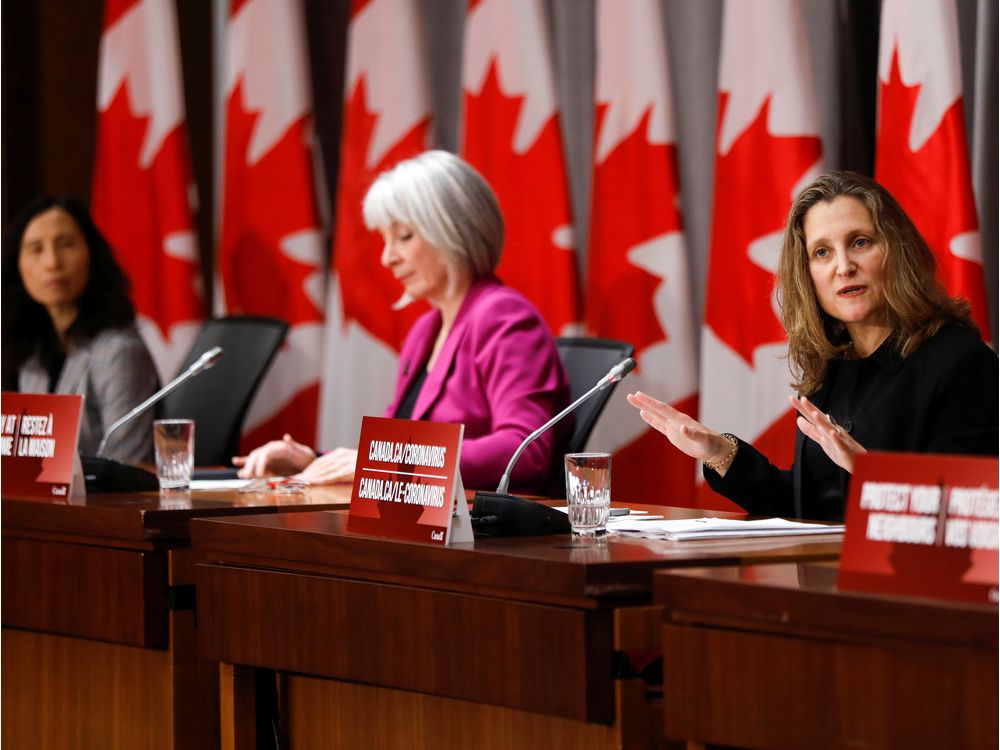
The 1998 ice storm could be considered a “media eclipse” – at least in Eastern Canada. The 2004 Indian Ocean tsunami was another. The biggest one of this century until now was the 9/11 attack. Today, with social media and traditional journalism intertwined, COVID-19 utterly rules public discourse. And the barrage of news coverage is likely to continue for months, as the pandemic alters almost every activity: our jobs, our leisure, our kids’ education, our politics, our health care, even our screen habits. Everything.
Is there a danger to so much coverage?
In an interview, Lalancette enumerates some of the problems the inundation of information poses. “People get anxious, stressed out. They turn the radio and TV off.” With journalists drawn to the eclipse, some entities might take advantage of the lack of scrutiny on them; a company already planning layoffs or a takeover, for instance, could act unchallenged. Longer-term problems, such as the global refugee crisis or clean water for Indigenous Peoples “are shoved under the bed.”

Follow Canada News Media
Get the day's top Canadian stories and our two daily 60-second news videos wherever you scroll.
X Threads Facebook Instagram LinkedIn TikTok YouTube Pinterest Reddit Substack Flipboard Newsletter RSS