



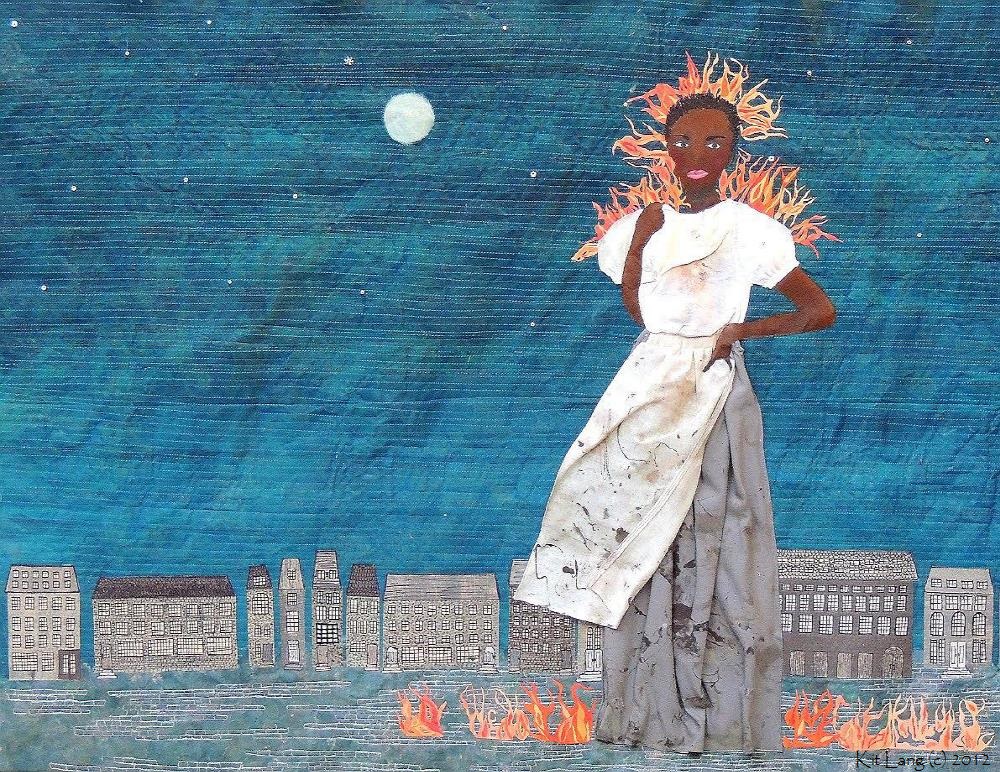
As Black History Month is celebrated across Canada in 2025, it is an important time to reflect on the achievements, struggles, and legacies of Black Canadians. One such figure who continues to inspire, resonate, and teach us about resistance, resilience, and the complexities of Canada’s colonial history is Marie-Josephe Angélique. Her story, while rooted in a different time, continues to shed light on the systemic racial and social injustices that Black Canadians and marginalized communities face today. Angélique’s narrative encapsulates the intersection of race, gender, and resistance, making her a significant symbol of Black resistance in Canadian history.
Who Was Marie-Josephe Angélique?
Marie-Josephe Angélique was an enslaved Black woman in New France (modern-day Quebec) in the early 18th century. Born in Portugal around 1705, she was sold into slavery and brought to Canada by her French owner. In 1734, she was accused of starting a fire that destroyed a significant portion of Old Montreal. Angélique was convicted of arson, found guilty after a trial filled with racial prejudice, and executed in June of that year. The trial has become a historical symbol of colonial injustice and the oppressive conditions that Black people, especially enslaved women, endured in early Canada.
While the court claimed that Angélique set the fire to cover her attempted escape from slavery, many contemporary historians and scholars argue that the fire might have been an act of rebellion—one of defiance against the system of enslavement and racial injustice that dominated colonial society.
The Legacy of Angélique
Marie-Josephe Angélique’s story has come to represent both the harsh reality of Canada’s colonial past and the spirit of resistance that has marked Black history in Canada. Her defiance, courage, and the miscarriage of justice she endured serve as reminders of the systemic racism that Black people have faced in this country for centuries.
“I remember first learning about Angélique when I was in university, and her story shook me to my core,” says Camille Desroches, a Black Canadian historian based in Montreal. “Here was a woman who was unjustly persecuted, simply because of her skin colour and her status as an enslaved Black woman. Her resistance was, in many ways, a fight for her freedom and dignity. She is a powerful symbol of resilience.”
For many, Black History Month is a time to celebrate the contributions of Black Canadians who have shaped the nation’s history, culture, and politics. Angélique’s story, though rooted in pain and injustice, is also one of resilience, making her an icon of Black resistance in a time of unimaginable oppression.
The Continued Struggles of Black Canadians
In 2025, Black Canadians continue to face many of the systemic barriers that Angélique encountered in colonial New France. The legacies of slavery, segregation, and colonialism persist in modern forms of racial profiling, over-policing, employment discrimination, and unequal access to education and healthcare.
“Black History Month is an opportunity to celebrate our achievements, but it’s also a time to recognize the barriers we still face,” says Raymond Williams, an activist and community leader in Toronto. “Our history in this country is filled with resilience, but it’s also filled with struggle. Angélique’s story is a reminder that we’ve been fighting for justice for centuries, and that fight isn’t over.”
One of the key areas where racial inequities continue to affect Black Canadians is within the criminal justice system. Research shows that Black people in Canada are disproportionately stopped by police, over-represented in prisons, and more likely to experience violence at the hands of law enforcement. These realities echo the systemic injustices that Angélique experienced nearly 300 years ago.
“I think about Angélique when I see how the justice system treats Black Canadians today,” says Nicole Smith, a criminal defence lawyer based in Halifax. “She was never given a fair trial, and to be honest, things haven’t changed that much. Black people are still fighting for fair treatment in the courts, and we are still facing systemic discrimination.”
Celebrating Black Women in Canadian History
Marie-Josephe Angélique’s story is also significant because it highlights the often-overlooked contributions and struggles of Black women in Canadian history. Throughout the country’s past, Black women have been at the forefront of movements for justice and equality, yet their stories are frequently marginalized.
“Angélique is an important figure because she was not just a victim of injustice, she was also a fighter,” says Karen Murray, an author who writes about Black women’s history in Canada. “Black women have always been on the frontlines of resistance, from Angélique to Viola Desmond to the women leading today’s movements for racial justice. We need to celebrate their contributions and make sure their stories are told.”
As Black History Month 2025 unfolds, many Canadians are using the occasion to reflect on the contributions of Black women like Angélique and to raise awareness of the systemic issues that Black women still face today.
“We can’t celebrate Black History Month without talking about Black women,” says Amanda Wright, a community organizer in Vancouver. “Women like Angélique remind us that Black women have always been leaders, fighters, and survivors. We need to uplift their stories and continue to fight for their rights today.”
Moving Forward: Addressing Racial Injustice in Canada
While Black History Month is a time to celebrate the contributions of Black Canadians, it is also a time to reflect on the work that still needs to be done to address racial injustice in Canada. The legacies of slavery, colonialism, and systemic racism continue to affect Black communities across the country, and it is crucial that Canadians take action to address these issues.
“We need to move beyond just celebrating Black history and start taking concrete steps to address the systemic issues that Black people in this country face,” says Williams. “That means tackling things like police brutality, employment discrimination, and the racial wealth gap. It means investing in Black communities and creating opportunities for Black Canadians to thrive.”
The story of Marie-Josephe Angélique is a reminder that the fight for justice and equality is ongoing. While Canada has made progress in addressing racial inequality, there is still much work to be done to create a more just and equitable society for all Canadians.
“As we celebrate Black History Month, we need to remember that this is not just about the past,” says Desroches. “It’s about the present and the future. Angélique’s story is a call to action for all of us to continue the fight for justice, equality, and dignity for Black Canadians.”
As Canadians celebrate Black History Month in 2025, the story of Marie-Josephe Angélique serves as a powerful reminder of the ongoing struggle for racial justice in Canada. Her life and legacy reflect the resilience and courage of Black Canadians who have fought against systemic oppression for centuries. While there is much to celebrate during Black History Month, it is also a time to reflect on the work that remains to be done to address the inequities and injustices that continue to affect Black communities across the country.
By remembering figures like Angélique, Canadians can not only honour the past but also commit to building a future where justice, equality, and dignity are realities for all.
Follow Canada News Media
Get the day's top Canadian stories and our two daily 60-second news videos wherever you scroll.
X Threads Facebook Instagram LinkedIn TikTok YouTube Pinterest Reddit Substack Flipboard Newsletter RSS