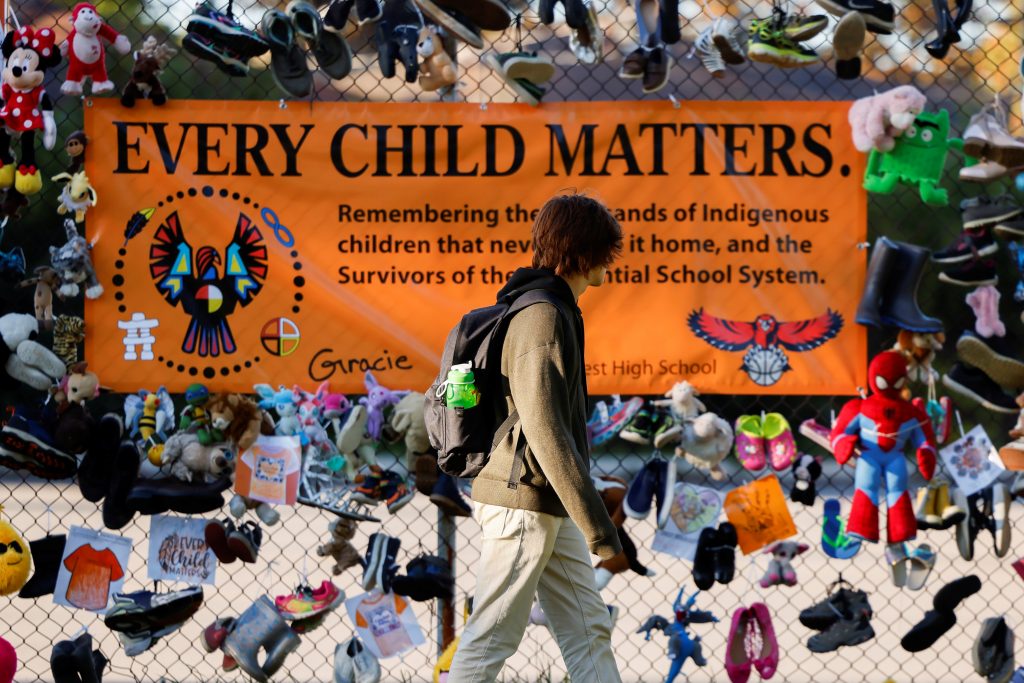


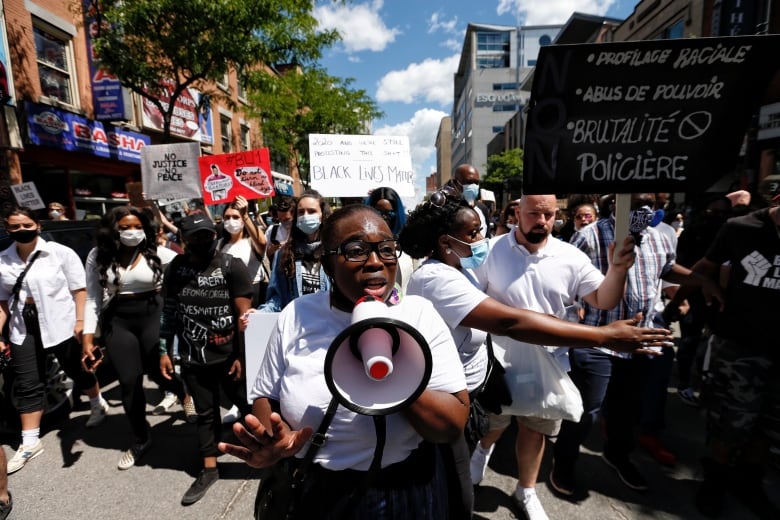
In 2025, Canada grapples with a troubling surge in hate crimes and racist incidents, challenging its long-held image as a global standard-bearer for multiculturalism. Recent data from Statistics Canada shows a startling 48% increase in reported hate crimes over the past two years, with Black, Indigenous, Asian, and other racialized communities bearing the brunt.
“Canada is at an inflection point,” says Desmond Cole, a Toronto-based journalist and activist. “For too long, we’ve told ourselves that racism is only a problem south of the border. Now, the numbers and stories are showing us otherwise.”
This article explores the multifaceted reasons behind the rise of hate and racism in Canada in 2025, drawing on expert analysis, community testimonies, and a look at how Canadians are responding—and resisting.
The Statistics: A Disquieting Surge
According to the 2025 Annual Hate Crimes Report by Statistics Canada, racist and ethnically motivated hate crimes have shown a dramatic increase:
- Anti-Black hate crimes have grown by 41% since 2023.
- Anti-Indigenous incidents rose by 38%, affecting both urban and rural communities.
- Anti-Asian hate crimes spiked by 27%, continuing a trend that began with the COVID-19 pandemic.
- Islamophobic incidents increased by 32%, while antisemitic hate crimes rose by 29%.
“These figures are more than just numbers; they represent individuals who are experiencing fear, trauma, and violence,” says Dr. Barbara Perry, Director of the Centre on Hate, Bias, and Extremism at Ontario Tech University. “The question we need to ask is: Why is this still happening in 2025?”
Political Rhetoric and Polarization
One of the key drivers behind the resurgence of hate and racism is the polarized political climate, both at home and internationally. Right-wing populist movements have found fertile ground in Canada, capitalizing on economic uncertainties, global conflicts, and anti-immigrant sentiments.
“Politicians who stoke fear for electoral gain have emboldened hate groups,” explains Evan Balgord, Executive Director of the Canadian Anti-Hate Network. “When officials use xenophobic or anti-immigrant rhetoric, it legitimizes bigotry.”
In particular, fringe political parties have used social media to spread disinformation and conspiracy theories, often scapegoating racialized minorities for housing crises, job shortages, and tax burdens.
Online Radicalization and Social Media Algorithms
In 2025, social media platforms remain a leading conduit for hate speech and extremist content. Algorithms designed to maximize engagement inadvertently promote inflammatory, divisive posts, creating “echo chambers” where racism and hate can flourish.
“Online hate doesn’t stay online—it spills into real life,” says Brenda McPhail, Director of Privacy, Technology & Surveillance at the Canadian Civil Liberties Association (CCLA). “We’ve seen violent attacks, such as the 2024 stabbing spree in Toronto, directly linked to radicalized chat forums.”
Lillian Allen, a spoken-word artist and educator, echoes these concerns: “Our youth are especially vulnerable. They’re navigating social platforms where hateful content can go viral in minutes, normalizing racist attitudes.”
Economic Pressures and Scapegoating
Housing shortages, inflation, and wage stagnation have exacerbated economic pressures. In times of financial stress, minority groups often become convenient scapegoats.
“We see a narrative that blames immigrants and refugees for ‘stealing jobs’ or driving up housing costs,” says Armine Yalnizyan, an economist at the Atkinson Foundation. “This scapegoating not only deflects from systemic economic issues, but also fuels hostility toward newcomers and racialized Canadians.”
Indigenous communities face a unique challenge: centuries of colonialism have left a legacy of underfunded schools, dilapidated housing, and higher unemployment. “Economic injustice and racism are deeply intertwined,” says Pamela Palmater, a Mi’kmaq lawyer and Indigenous rights advocate. “You can’t address one without tackling the other.”
Global Turbulence and the International Context
International conflicts—from Middle East tensions to crises in Africa—have reverberated in Canada, often manifesting as Islamophobia, anti-Black racism, and antisemitism.
“When global crises happen, diaspora communities here in Canada can become targets of hate, even though they had nothing to do with those events,” says Harsha Walia, an activist and author focusing on immigration and border policies. “Ignorance about global politics can transform into local hostility.”
Institutional Racism and Lack of Accountability
Experts argue that Canada’s institutions—from law enforcement to the judicial system—have not done enough to protect marginalized groups or to root out systemic racism.
“We still see racial profiling, disproportionate policing, and lenient sentences for hate crimes,” says Desmond Cole. “The message is clear: if you commit a hate crime in Canada, the system might give you a slap on the wrist.”
Fae Johnstone, President of the Canadian Centre for Gender and Sexual Diversity, points out the overlap of racism, homophobia, and transphobia: “When institutions fail to address one form of bigotry, it’s easier for all forms of hate to persist.”
Stories from the Front Lines
Antonia’s Experience
Antonia, a Black nurse in Montreal, recalls a recent incident: “I was walking home when a stranger yelled racial slurs at me, telling me to ‘go back to where I came from.’ I’ve lived in Canada all my life. It feels like someone is always questioning my belonging.”
Amal’s Story
Amal, a Muslim university student in Halifax, was harassed on campus: “A man pulled on my hijab and said it was a symbol of terrorism. I reported it, but the university’s response was slow and inadequate. I felt completely unprotected.”
Dennis’s Frustration
Dennis, an Indigenous entrepreneur from Winnipeg, says securing loans for his small business was a constant battle: “Banks kept turning me down, even though my credit score was solid. I can’t help but think it’s because I have an Ojibwe name. This is racism masquerading as ‘risk assessment.’”
Community Responses and Advocacy
In the face of rising hate, communities are mobilizing:
- Grassroots Organizations such as Black Lives Matter chapters and Indigenous-led coalitions are demanding policy changes, including hate crime law reform and anti-racism education.
- Faith Communities are forging interfaith alliances, hosting workshops and communal events to foster solidarity.
- Legal Advocates are pushing for stricter penalties for hate crimes and expanded definitions of what constitutes hate speech.
“In every province, people are coming together to say ‘enough is enough,’” observes Evan Balgord. “It’s a tough fight, but these coalitions are growing in size and influence.”
Possible Solutions and Future Directions
Experts suggest a multi-pronged approach to counter the spike in hate and racism:
- Legislative Reforms – Strengthening hate crime legislation, establishing independent oversight bodies, and ensuring harsh penalties for offenders.
- Education and Public Awareness – Incorporating anti-racism curricula into schools and workplaces, and launching national awareness campaigns.
- Economic Investment in Marginalized Communities – Addressing housing shortages, job disparities, and health inequities that disproportionately affect racialized groups.
- Regulating Social Media – Increasing government oversight on tech companies to curb online hate speech and extremist content.
- Greater Diversity in Leadership – Ensuring racialized and Indigenous representation in political, corporate, and community leadership roles.
Amira Elghawaby, Canada’s Special Representative on Combatting Islamophobia, emphasizes that none of these measures can stand alone: “We need a coordinated, national strategy that acknowledges the root causes of hate and directly addresses them.”
Charting a Path Forward
The rise in hate and racism in Canada in 2025 is not an isolated phenomenon. It is the culmination of political polarization, social media radicalization, economic woes, and longstanding systemic inequities.
Yet, there is hope. Across the country, grassroots movements, community alliances, and civil rights organizations are challenging hate head-on. From online petitions to peaceful demonstrations, Canadians from all backgrounds are voicing a unified stance: there is no place for racism in our society.
“The question isn’t whether we can overcome this rise in hate—it’s whether we have the collective will to do so,” says Dr. Akwasi Owusu-Bempah. “Canada’s identity as a welcoming, diverse nation depends on our answer.”
As the nation stands at this crossroads, the choices made today will shape Canada’s future, determining whether it remains a beacon of multicultural co-existence or succumbs to the forces of division and prejudice.
References
- Statistics Canada, Annual Hate Crimes Report (2025)
- Centre on Hate, Bias, and Extremism, Ontario Tech University
- Canadian Anti-Hate Network
- Interviews with Desmond Cole, Harsha Walia, Armine Yalnizyan, Amira Elghawaby
- Various testimonies from community members across Canada
Follow Canada News Media
Get the day's top Canadian stories and our two daily 60-second news videos wherever you scroll.