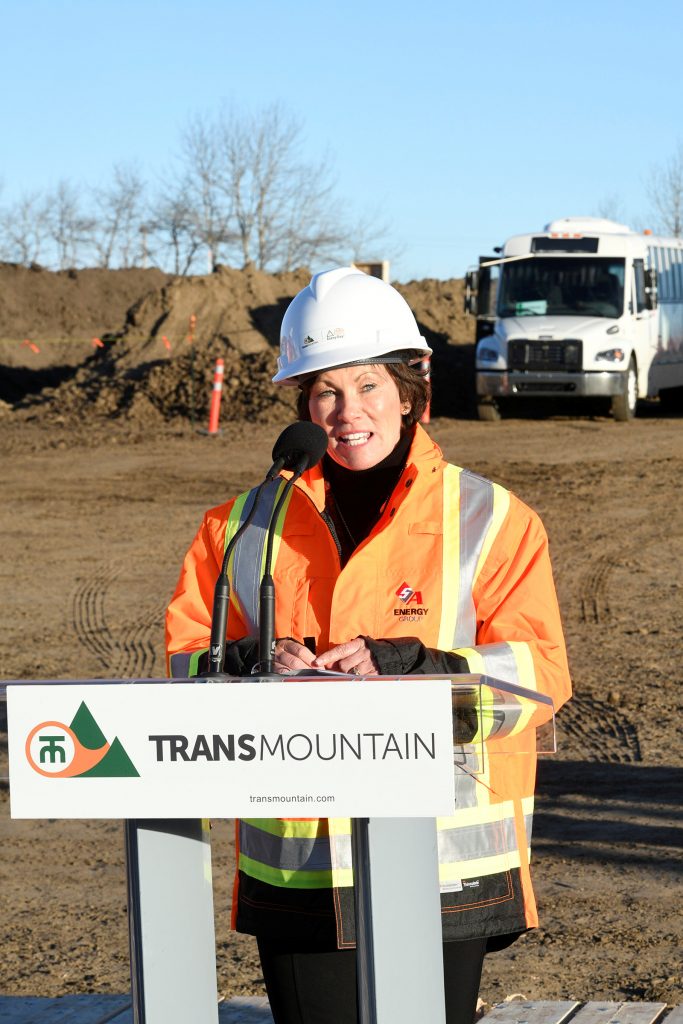




In the wake of a turbulent few years marked by the COVID-19 pandemic, Canada is witnessing a robust economic resurgence, often dubbed “The Great Canadian Comeback.” From rising employment rates to increased consumer spending and a recovering housing market, recent indicators suggest that the nation’s economy is on a promising trajectory.
Employment on the Upswing
According to the latest data from Statistics Canada, the national unemployment rate has dipped to 5.3%, a dramatic improvement from the highs experienced during the pandemic lockdowns. The country’s economic engine is beginning to hum again as sectors such as technology, healthcare, and manufacturing expand to meet pent-up demand.
“What we are seeing is a return of consumer confidence and, consequently, job creation,” says Dr. Sarah Thompson, an economist at the University of Toronto. “Businesses are not just reopening; they are investing in growth, which is a very positive sign.”
Moreover, the Bank of Canada has reported an increase in job vacancies, with many employers struggling to find the personnel they need to fill roles. This has led to a rise in wages as companies compete for talent, further boosting consumer spending.
Consumer Confidence and Spending
Data from the Conference Board of Canada indicates that consumer confidence has rebounded significantly. “After a long period of uncertainty, Canadians are now willing to spend again,” states Lisa Green, a consumer behavioral analyst. “This renewed confidence translates into higher retail sales and a robust holiday shopping season.”
In recent months, retail sales have surged, with prominent sectors like apparel, electronics, and e-commerce reporting double-digit growth. This trend is also reflected in the increased activity in local restaurants and entertainment venues, indicating a welcome return to pre-pandemic lifestyles.
However, challenges still loom. Rising inflation rates and elevated costs of living have tempered growth in certain pockets. While consumer confidence is high, ongoing pressure on household budgets may affect long-term spending, necessitating vigilant monitoring from both policymakers and economists.
The Housing Market Reawakens
Another area showing positive recovery is the Canadian housing market, which is rebounding after a brief lull following the pandemic. The Canadian Real Estate Association (CREA) reported that home sales are up nearly 30% from last year. While prices remain high, particularly in metropolitan areas like Toronto and Vancouver, more inventory is becoming available, leading to some deceleration in annual price growth.
“The market is stabilizing, and while prices are still steep, more options mean buyers are feeling less pressured,” explains Mark Robinson, a real estate analyst with Urban Insights. He notes that the rise of remote work has led more Canadians to explore housing in suburban and rural areas, contributing to the market’s expansion.
Trade and Investment Harmonization
Canada’s economic recovery is also buoyed by a rejuvenated trade landscape. Increased demand for commodities, particularly from global partners such as the United States and China, has revitalized sectors like natural resources and manufacturing. The Ministry of International Trade reported an increase in exports, helping to mitigate trade deficits experienced during the pandemic.
Investment in infrastructure projects is also gaining momentum. The federal government’s strategic plan to enhance transportation, green energy, and urban development has received backing from both public and private sectors, signaling a collaborative approach to growth.
The Road Ahead: Potential Challenges
Despite the encouraging signs, several challenges could hinder Canada’s economic growth. Labor shortages in various sectors, brought about by a gap between available skills and employer needs, remain a concern. Additionally, the specter of inflation could impact spending power and create uncertainty in the market.
Furthermore, global events, such as geopolitical tensions and supply chain disruptions, could pose risks to Canada’s export-driven economy. Policymakers will need to keep a keen eye on international developments to navigate these potential pitfalls effectively.
Community Resilience and Innovation
The essence of Canada’s recovery lies not just in numbers but also in the resilience of its communities. Small businesses, often the backbone of the economy, have found innovative ways to adapt and thrive. Whether it’s embracing e-commerce or evolving their service models, many entrepreneurs have shown remarkable adaptability.
“Canadians have a unique ability to come together during tough times, and this spirit of innovation and collaboration will be key as we move forward,” emphasizes community leader Anita Desai. “The investment in local entrepreneurs and community-oriented initiatives is essential for sustainable growth.”
Conclusion
As Canada moves through 2023, the signs of recovery are evident in the climb of economic indicators. With an optimistic employment landscape, buoyant consumer confidence, and a rejuvenated housing market, the narrative of a “Great Canadian Comeback” is more than just a catchy phrase—it reflects a collective determination to recover, rebuild, and innovate.
For now, the focus is on sustaining this momentum and ensuring that the lessons learned from the pandemic leave a lasting impact on the nation’s economic fabric.
Related Products
-
Ninja NC301C, CREAMi Ice Cream, Gelato, Milkshake,…
Products $279.99 -
Sale!
TuTu 22-inch LED TV, 1080P FHD Flat-Screen TV with…
Products Original price was: $205.42.$165.38Current price is: $165.38. -
ACEMAGIC 2026 LX16 Laptop, 16-inch FHD (1920 x 120…
Products $699.99