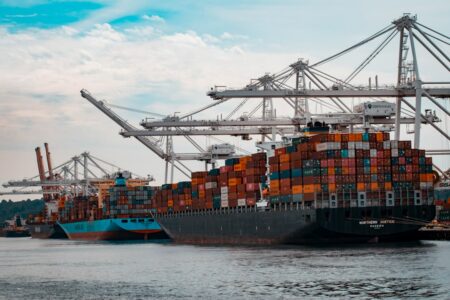



As the sun rises over the St. Lawrence River, illuminating the bustling port of Montreal, the vast coordinates of Canada’s trading landscape unfold. Long recognized for its rich natural resources and thriving agriculture, Canada is navigating a transformative era of trade relationships amid evolving geopolitical dynamics. Bordered by two of the largest economies in the world, the United States and China, Canada stands at a pivotal crossroad, leveraging its strengths while adapting to the complexities of a global market.
The Historical Context
Canada’s trade relationships have deep historical roots. Following the British-American trade agreements of the 18th century, Canada gradually cultivated its identity as a nation deeply intertwined with trade. The signing of the North American Free Trade Agreement (NAFTA) in 1994 marked a significant turning point, solidifying economic ties with the U.S. and Mexico. However, the recent renegotiation of NAFTA into the United States-Mexico-Canada Agreement (USMCA) (or CUSMA in Canada) reflects a changing landscape where trade is increasingly influenced by a desire for sovereignty and national security.
The U.S.-Canada Dynamic
As the largest trading partner of Canada, the U.S. remains pivotal to its economic stability. In 2022, roughly 75% of Canadian exports and 55% of imports were with the U.S., encompassing sectors from technology to natural resources. However, the trade dynamics have been tested over the years due to tariffs, trade wars, and political shifts.
Above all, the COVID-19 pandemic highlighted the need for resilience. “Our supply chains were disrupted, revealing vulnerabilities we must address,” states Dr. Laura MacKenzie, an economist at the Canadian Institute for International Trade. “We must enhance local production and diversify our markets, not only with the U.S. but globally.”
Diversifying Trade Relationships
Recognizing the risks of over-reliance on a single market, Canada has been actively pursuing new trade agreements. The Comprehensive and Progressive Agreement for Trans-Pacific Partnership (CPTPP) stands out as a beacon of opportunity, enhancing Canada’s foothold in Asia-Pacific markets. Countries like Japan, Australia, and Vietnam are now among Canada’s largest trading partners.
“The CPTPP allows Canada to tap into dynamic economies that represent the future of global trade,” explains Canadian Minister of International Trade, Mary Ng. “By diversifying, we’re not just opening markets; we’re building resilience against future global shocks.”
The Chinese Market: Opportunities and Challenges
China, on the other hand, presents both vast opportunities and intricacies. While the Canadian economy benefits from significant exports of natural resources such as timber, oil, and agricultural products, tensions surrounding human rights issues and trade tariffs have tested bilateral relationships.
The controversial detention of Canadians Michael Kovrig and Michael Spavor in China added strains, creating hesitations regarding deeper partnerships. Nonetheless, trade continued to flourish in sectors like agriculture and technology. “China’s thirst for Canadian agriculture remains high, and our tech industries can benefit from collaborations,” notes Dr. Shiomi Tanaka, an expert in East Asian trade relations.
Emphasizing Sustainable Trade
As Canada navigates new partnerships, sustainability emerges as a critical component of its trade policy. The Canadian government aims to reduce carbon emissions and promote green technologies, integrating sustainability into trade agreements and partnerships. “We want to be a leader in sustainable trade practices,” remarks Minister Ng. “This is not just about economic growth, but about building a better future for all.”
Upcoming Trade Challenges
However, the road ahead is fraught with challenges. The ongoing conflict in Ukraine and shifting global alliances continue to disrupt supply chains and affect commodity prices. Inflation and energy crises may put pressure on Canada’s market dynamics, forcing policymakers to adapt swiftly.
Moreover, the rise of protectionism in numerous countries threatens multilateral agreements that Canada has worked to build. “The resurgence of nationalism and protectionist policies globally poses a significant threat to Canadian exports,” warns Dr. Julian Lee, a trade policy analyst.
Mapping the Future of Canadian Trade
As Canada continues to adapt to the evolving global market, the narrative becomes a complex tapestry. Balancing its historical reliance on the U.S. with emerging partnerships across Asia, and addressing climate change and political challenges, is no easy feat. But there lies an opportunity for Canada to position itself not just as a participant in global trade but as a leader.
As stakeholders assess future prospects, they must keep their eyes on the horizon—recognizing that adaptability, sustainability, and solid diplomatic relationships are crucial components of Canada’s trade success in a rapidly changing world.
Ultimately, while the winds of trade may be unpredictable, Canada’s commitment to fostering resilient and diversified relationships will help navigate the complexities ahead—ensuring it remains a significant player in the global economy.