


Are you looking for fun?
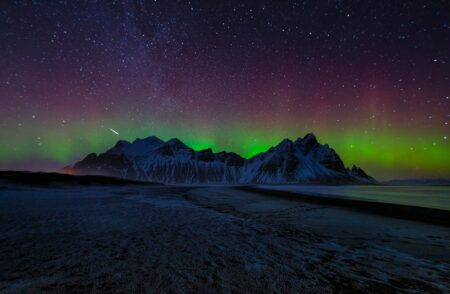
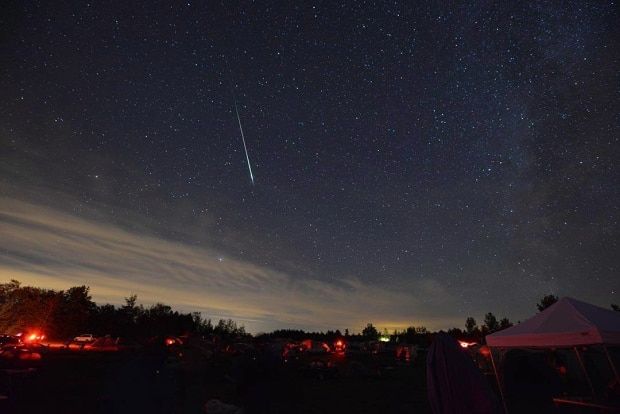
Here, one of the best summertime fun The Perseid meteor.
Under the favorable conditions clear, moonless dark skies at its peak, the shower can produce up to 100 meteors an hour.
The meteor shower sprints from July 17 to August 26, with the peak occurring this year on the night of August 11-12.


When and Where To Watch:
In last year’s showers were hindered by an almost full moon, the good news was that this year, the moon only be 44 percent illuminates and rises after midnight.
The biggest way to enjoy a meteor shower is by getting away from light sources.
That means finding a good, dark sky location, such as a beach.
Moreover, stay away from mobile phones.
As it takes our eyes some time to modify to the dark, the mobile’s bright light will make it more difficult to do so.
It can take half an hour for your eyes to adjust.
The interesting thing about the meteor shower was that everyone can enjoy them.
Besides, there’s no need for binoculars and telescope.
All you need to do find a good place.

You may see some constellation from which the meteors seem to originate named radiant.
At 9.30 pm local time the constellation rises in the northern sky and continues to rise in the northeast.
Although, you don’t have to look in the exact direction.
As the constellation in higher in the sky, you may likely see more number of meteors.
As the constellations rise, so does the moon. That means that only the brightest meteors will visible.
The good thing was, the perseids do tend to put on a show with brilliant meteors caught over urban areas.

Follow Canada News Media
Get the day's top Canadian stories and our two daily 60-second news videos wherever you scroll.
X Threads Facebook Instagram LinkedIn TikTok YouTube Pinterest Reddit Substack Flipboard Newsletter RSS