



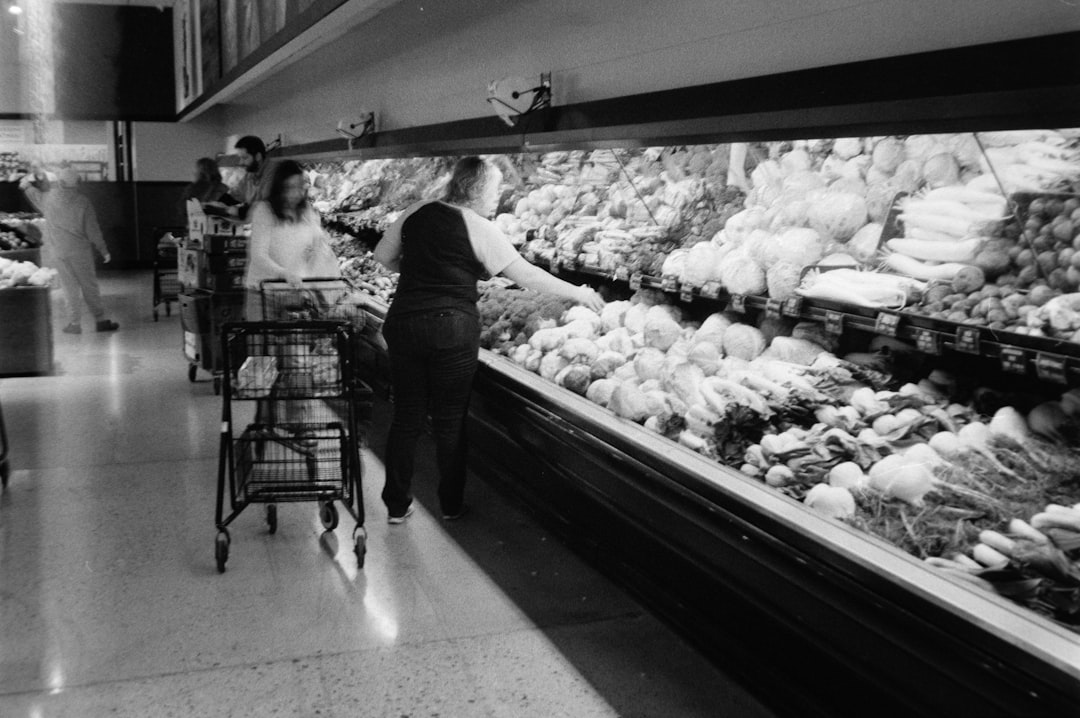
Britain’s Co-op is marking its 100th year at a difficult moment for grocery retailers and household budgets alike. The customer-owned business says it is dealing with the same pressures affecting much of the food sector, including higher operating costs that eventually show up in store prices. While the brand has a long history and a community-focused identity, it is not insulated from inflation, supply chain strain, or rising wage and energy bills. The story is a reminder that even retailers built on local ownership and member loyalty are still exposed to the broader economics of food and fuel.
For Canadians, the story lands in a very familiar way. Families across the country have spent the past few years adjusting to higher grocery bills, pricier household essentials, and tougher choices at checkout, whether they shop at a major chain, an independent grocer, or a co-operative. It also speaks to the Canadian co-op tradition, especially in Western Canada, where consumer co-operatives and farm-linked retail systems have long been part of daily life in many communities. When costs rise throughout the system, from transportation to refrigeration to labour, Canadian shoppers feel it quickly because food retail runs on slim margins and constant replenishment.
What to watch next is whether food inflation continues to cool or whether fresh cost pressures push prices back up again. Shoppers should also keep an eye on how retailers respond, including loyalty offers, private-label expansion, store efficiency plans, and pricing strategies meant to hold on to budget-conscious customers. Governments and regulators may continue facing pressure to show they are monitoring grocery competition and food affordability closely, especially if household frustration deepens.
The wider background matters here because grocery pricing is rarely driven by a single decision from one store or one company. Retailers face costs all along the chain, including farming inputs, global commodity prices, shipping, fuel, packaging, rent, insurance, and wages. Co-operatives may have a different ownership model than publicly traded chains, but they still buy goods in the same markets and operate stores that need electricity, staff, and transport. That means their community roots can shape how they do business, but they cannot fully avoid the same inflationary forces that affect the rest of the sector.
The case of Co-op’s centenary arrives at a time when trust in grocery pricing remains fragile in many countries, including Canada. Consumers often assume that a member-owned retailer should be better positioned to shield shoppers from price increases, and in some situations co-operatives do try to return value through dividends, member rewards, or local reinvestment. But the hard reality is that no retailer can permanently sell essential goods below cost and remain sustainable. If wholesale prices, logistics expenses, and utility bills climb, those increases tend to work their way to the shelf sooner or later.
That tension is well understood in Canada, where grocery affordability has become one of the most persistent kitchen-table issues. In cities, shoppers may have more choice, but they also face higher housing costs that leave less room in the monthly budget for food. In rural and northern communities, the challenge can be even sharper because freight costs, weather disruptions, and limited competition can make everyday staples more expensive long before they reach the checkout. A story about a co-op overseas may seem distant at first glance, but the underlying economics are almost identical to what Canadians have been living with.
There is also a deeper lesson in the endurance of the co-operative model itself. A business that reaches the 100-year mark has usually done so by building loyalty, adapting to change, and maintaining a sense of purpose beyond quarterly profits. That can matter in difficult periods, because customers are often more patient with organizations they see as rooted in the community and responsive to local needs. At the same time, history does not eliminate financial pressure. Longstanding brands must still invest in stores, keep up with technology, improve online ordering, protect margins, and compete with larger rivals that may have greater buying power.
In the Canadian context, that competitive pressure is especially important. The grocery market is dominated by a small number of major players, and public debate has frequently centred on whether there is enough competition to keep prices in check. Co-operatives and independent grocers can offer an alternative, particularly in smaller communities, but they often do not have the same scale advantages as national chains. That means they may face a harder balancing act: staying true to local values while also finding ways to absorb or offset cost increases without losing customers.
Another issue worth watching is how shoppers respond as economic uncertainty lingers. Canadians have already shown they are willing to change habits, buying more store brands, searching for promotions, switching proteins, and planning meals around what is discounted. If price sensitivity remains high, retailers of all kinds, including co-ops, may have to sharpen their value message rather than relying on brand heritage or goodwill alone. That could mean more focus on essentials, smaller format stores, digital coupons, and efforts to show transparency around where price pressure is coming from.
The centenary milestone also creates an opportunity for a retailer like Co-op to remind customers what makes the model distinct. Unlike a conventional chain that mainly answers to outside shareholders, a customer-owned co-operative is meant to reflect member interests and community priorities. In Canada, that idea still resonates strongly in places where co-ops are tied to agriculture, fuel distribution, food retail, and local services. But even when ownership is shared, expectations stay high. Members still want fair prices, reliable supply, and visible value in return for their loyalty.
In the months ahead, the key question is whether easing inflation in some parts of the economy will translate into real relief at the grocery store. Canadians will be watching not just the headline inflation rate, but the price of basics such as bread, dairy, produce, meat, and pantry staples. If retailers continue saying their own costs are elevated, public pressure for accountability is likely to remain intense. Co-op’s 100-year story, then, is not just about a business anniversary. It is about the challenge of preserving affordability, trust, and community identity in a food economy where nearly every cost increase eventually reaches the shopper.
Follow Canada News Media
Get the day's top Canadian stories and our two daily 60-second news videos wherever you scroll.
X Threads Facebook Instagram LinkedIn TikTok YouTube Pinterest Reddit Substack Flipboard Newsletter RSS