

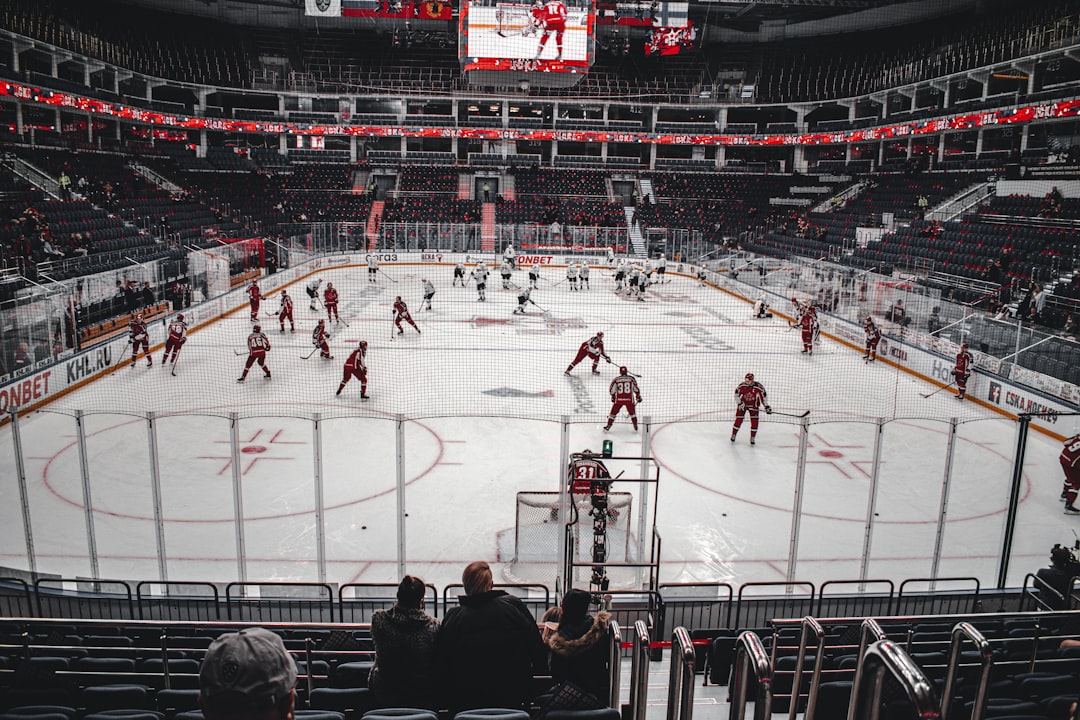
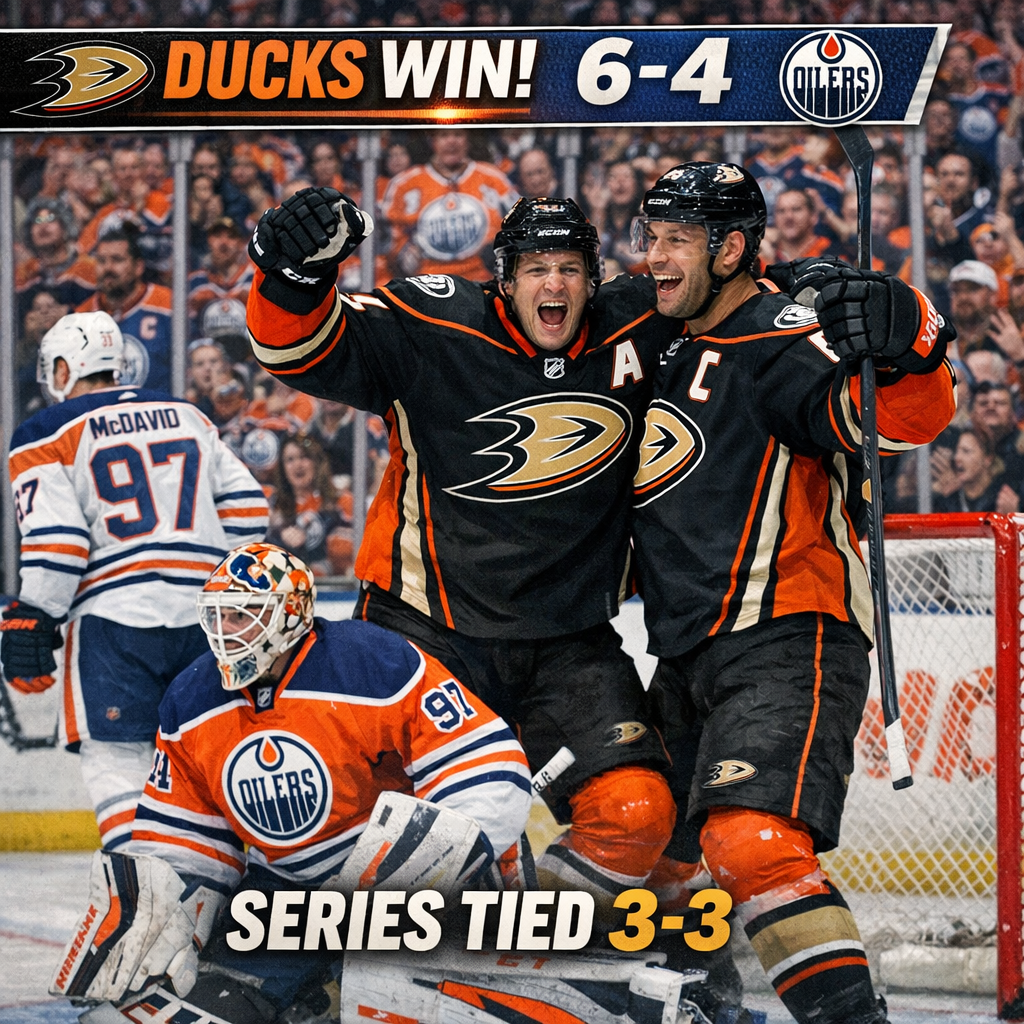
The Anaheim Ducks answered back in their first-round series with a high-energy 6-4 win over the Edmonton Oilers on Wednesday, evening the matchup and putting fresh pressure on one of Canada’s top Stanley Cup hopefuls. Cutter Gauthier led the way with two goals and an assist, helping Anaheim build enough offence to survive a late Oilers push. Edmonton showed flashes of the attack that has made it dangerous all season, but defensive lapses and an inability to shut the door early left the club chasing the game. By the final horn, what looked like a chance for the Oilers to take control of the series had instead become a reset.
For Canadian readers, this result matters because the Oilers are carrying the hopes of a large and passionate fan base in Alberta and across the country. Every playoff game involving a Canadian team quickly becomes a national conversation, especially when expectations are high and stars like Connor McDavid and Leon Draisaitl are in the spotlight. A loss like this also affects the broader hockey economy in Canada, from packed sports bars and local viewing parties to the mood around sports radio, online debate and next-day office chatter. When Edmonton wins, excitement spreads well beyond the rink, but when the club stumbles, the pressure on players, coaches and management intensifies just as quickly.
The next game now takes on added importance because momentum has shifted and the series is effectively starting over. Edmonton will need a cleaner defensive effort and more consistent goaltending support if it wants to regain control, while Anaheim will try to build on its speed and confidence. Canadian fans should watch closely to see whether the Oilers’ veteran core responds with urgency or whether the Ducks’ younger group continues to push the pace and expose openings.
This game unfolded as a reminder that playoff hockey rarely follows the script, even when one team enters with more star power or heavier expectations. Edmonton has spent much of the season being measured against championship standards, thanks to its elite offensive talent and the belief that this roster is built to contend deep into the spring. Anaheim, meanwhile, arrived as the team many expected to have a harder time matching Edmonton’s firepower over a full series. Instead, the Ducks used opportunistic scoring and timely pressure to prove they are not simply along for the ride.
Gauthier’s performance was central to that statement. His two-goal night, along with an assist, gave Anaheim the offensive punch it needed and highlighted the kind of emerging talent that can change a playoff series in a hurry. The Ducks were able to capitalize on key moments, taking advantage of breakdowns and showing enough composure to respond when Edmonton tried to push back. That balance between youthful confidence and finishing ability is often what makes a lower-seeded or less-favoured team dangerous in the post-season.
For the Oilers, the biggest concern is not just that they lost, but how they lost. Giving up six goals in a playoff game is rarely a recipe for success, no matter how dangerous a team can be offensively. Edmonton still managed to mount a comeback attempt, which says something about its skill and resilience, but playoff hockey is unforgiving when teams spend too much time trying to recover from earlier mistakes. The Oilers have often shown they can score in bursts, but against a disciplined and confident opponent, opening the door this wide can be costly.
That is where the conversation in Canada is likely to focus over the next 24 hours. Fans and analysts will be talking about structure, defensive coverage and whether Edmonton is getting the kind of stability it needs in net and in its own zone. In a country where hockey coverage dominates headlines at this time of year, one dramatic result can quickly shift the narrative from confidence to concern. The Oilers are still very much in the fight, but the margin for error feels smaller after allowing Anaheim to even the series.
There is also a broader Canadian sports angle here. The Stanley Cup playoffs always carry extra meaning north of the border because fans are constantly tracking whether a Canadian franchise can end the country’s long championship drought. That pressure does not just sit with players; it becomes part of the atmosphere around the team, the media coverage and the expectations from supporters. Edmonton, because of its star players and recent playoff profile, is one of the teams many Canadians look to as a legitimate chance to bring the Cup back to Canada. Results like this do not end that dream, but they do make the path feel more complicated.
At the same time, this is exactly what makes playoff hockey so compelling. A series can swing quickly based on one big performance, one special-teams sequence or one stretch of loose defending. Anaheim now has reason to believe it can trade chances with Edmonton and come out ahead, which is an important psychological gain. The Ducks have shown they can create offence under pressure, and that belief can carry forward if the Oilers do not tighten their game.
Historically, first-round series often become less about regular-season records and more about adjustments, depth and mental sharpness. Teams that react well after a setback usually survive; teams that get pulled into frustration can lose control of a series surprisingly fast. Edmonton’s veteran leaders have faced playoff adversity before, and that experience may matter in the next outing. Anaheim, on the other hand, will try to keep things simple: skate, pressure, attack and make Edmonton defend.
Canadian viewers should also keep in mind that one game rarely tells the whole story in the post-season. The Oilers still have enough top-end talent to seize momentum again, and a stronger all-around effort could quickly restore confidence. But the Ducks have now planted doubt and given themselves a genuine opportunity to turn this into a longer, tougher battle than many expected. For fans in Edmonton and across Canada, that means the series has become far more tense, far more interesting and far less predictable than it looked just a game ago.
Follow Canada News Media
Get the day's top Canadian stories and our two daily 60-second news videos wherever you scroll.
X Threads Facebook Instagram LinkedIn TikTok YouTube Pinterest Reddit Substack Flipboard Newsletter RSS