


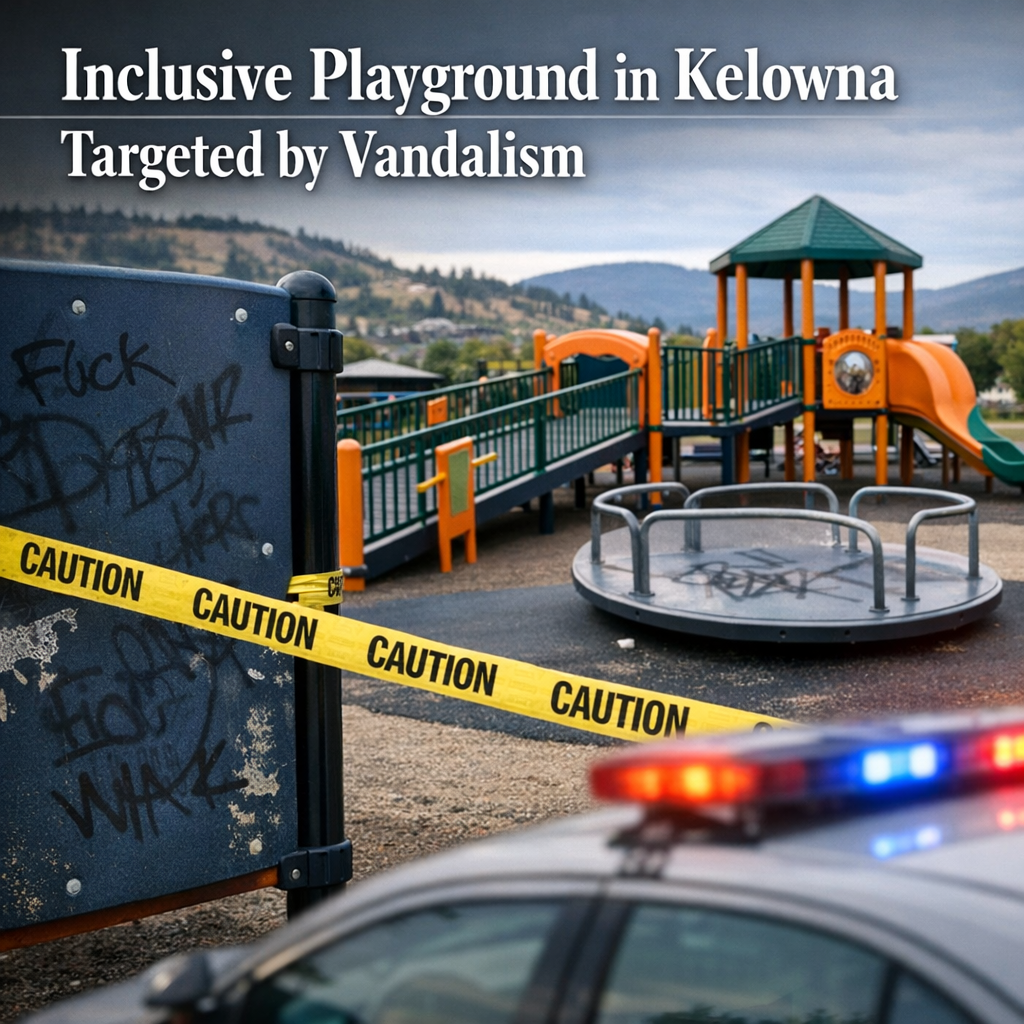
Families in Kelowna are speaking out after a popular local playground was damaged by fire, leaving children and parents disappointed at the loss of a well-used community space. The incident has drawn attention because the park was a regular meeting place for neighbourhood families, especially during warmer months when outdoor play areas are in high demand. Residents say the damage has taken away more than just equipment, as the site also served as a social hub where children could play and adults could connect. The story is resonating across the Okanagan because it highlights how quickly a valued public amenity can be disrupted.
For Canadian readers, this story touches on a larger issue that many communities face: the importance of safe, accessible public recreation spaces for families. Parks and playgrounds are not just extras in Canadian cities and towns. They are part of everyday life, especially for parents looking for affordable places where children can be active, make friends and spend time outside. When a playground is damaged or closed, the effects are felt immediately by nearby families, municipal staff and local governments that must now find funding, investigate the cause and plan repairs or replacement work. In a country where public green spaces are central to community life for much of the year, any loss like this can have a real social and financial impact.
What happens next will likely depend on the extent of the damage, how quickly city officials can assess repair needs and whether the cause is confirmed by investigators. Local families will also be watching to see if temporary alternatives are offered nearby, especially if the damaged site is one of the main play areas in the neighbourhood. If fundraising, community support or municipal budgeting becomes part of the recovery plan, this story could develop into a broader conversation about protecting public spaces and restoring them quickly.
Playgrounds hold an important place in Canadian communities because they offer free, low-barrier recreation for children of all ages. In cities such as Kelowna, they also help support healthy routines by giving families places to gather after school, on weekends and during school breaks. Damage caused by fire, vandalism or heavy wear can be especially hard on neighbourhoods that rely on a small number of local parks. Across Canada, municipalities are already balancing rising costs for maintenance, safety upgrades and infrastructure renewal, so any unexpected damage can add pressure to local budgets and delay access for families.
A playground fire in Kelowna has left local families upset and searching for answers after one of their regular gathering spots was badly damaged. Parents and children who visited the park often say the loss is deeply felt because the space was part of their routine and offered a familiar place to play, socialize and spend time outdoors. The emotional response from residents reflects how strongly communities can connect to public parks, especially when those spaces are used almost every week. What might look like a simple infrastructure story is also about neighbourhood identity, family routines and the value of shared spaces in everyday Canadian life.
The damage has become a community issue because playgrounds often serve several purposes at once. They are recreational spaces for kids, meeting points for parents and caregivers, and informal community centres without walls or admission fees. In many Canadian neighbourhoods, especially as families manage rising living costs, these free public places are essential. A damaged playground can mean parents must travel farther, rearrange routines or rely on other parks that may already be crowded. That practical disruption is one reason stories like this tend to draw strong local reaction.
For Kelowna residents, the incident may also raise questions about public safety, supervision and how municipalities can better protect community infrastructure. If the fire is determined to be suspicious, there could be renewed calls for stronger prevention measures, improved lighting or more regular monitoring in public areas. At the same time, the city may need to communicate clearly with residents about cleanup timelines, safety inspections and how long the site will remain closed. Families usually want quick answers in situations like this, especially when children are asking when they can return.
This story also matters in a broader British Columbia context. Across the province, communities are investing in parks, splash pads, trails and outdoor recreation spaces as part of efforts to support public health and family life. These amenities are particularly valued in fast-growing cities such as Kelowna, where population growth can increase demand on shared infrastructure. When one park is damaged, pressure can shift to neighbouring facilities, and residents may become more vocal about the need for repairs, replacements and long-term planning. That makes a local fire more than a one-day incident; it becomes part of a wider discussion about how communities maintain the public spaces they rely on.
In the coming days, residents will likely look for updates from the city, emergency responders and investigators about the cause of the fire and the condition of the equipment. If repairs are not possible, attention may turn to replacement timelines and whether insurance or city funding will cover the full cost. Community reaction could also shape what happens next, particularly if families organize support or push council to prioritize rebuilding. The speed of the response may determine how soon trust and normal routines are restored for the families who use the park.
The broader background is important here because public playgrounds are built to be durable, but they remain vulnerable to vandalism, fire and weather-related damage. Replacing equipment can be expensive and time-consuming because structures must meet safety codes, be inspected and often be specially ordered. In many Canadian municipalities, parks departments are already working through long maintenance lists, so emergency repairs can create delays elsewhere. That is why the loss of a single playground can become a much bigger local issue than it first appears, especially for children and families who counted on that space as part of daily life.
Follow Canada News Media
Get the day's top Canadian stories and our two daily 60-second news videos wherever you scroll.
X Threads Facebook Instagram LinkedIn TikTok YouTube Pinterest Reddit Substack Flipboard Newsletter RSS