


As global economies grapple with the fallout of the COVID-19 pandemic, Canada has unveiled a series of new fiscal policies aimed at fostering economic resilience. These measures, introduced in the latest federal budget, reflect a commitment not only to recovery but also to long-term stability amid ongoing uncertainty.
Understanding the Landscape
The Canadian economy, like many others, faced unprecedented challenges during the pandemic. The government responded with extensive fiscal measures, including wage subsidies, direct payments, and support for businesses. As the economy begins to recover, the challenge now is ensuring that growth is sustainable and inclusive.
Key Features of the New Fiscal Policy
In March 2023, Finance Minister Chrystia Freeland introduced a budget that outlines critical initiatives aimed at strengthening fiscal health. Key components include:
- Increased Infrastructure Investment: A substantial allocation of funds towards infrastructure projects aims to create jobs and modernize Canada’s aging systems. Projects range from public transit enhancements to green energy initiatives.
- Support for Small Businesses: Recognizing that small businesses are the backbone of the Canadian economy, new tax incentives and grants have been rolled out to foster innovation and competitiveness.
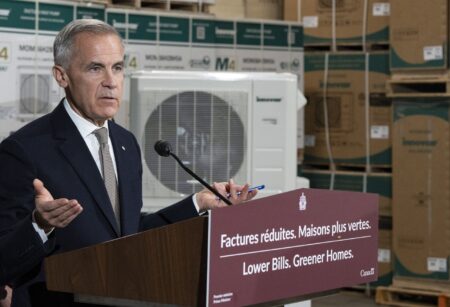
- Green Transition: A commitment to a sustainable economy is demonstrated through incentives for renewable energy and regulations designed to reduce carbon emissions. This aligns Canada with global climate goals while also opening new job markets.
- Social Safety Net Expansion: Increased funding for health care and social programs is aimed at addressing systemic inequalities that have been exacerbated by the pandemic.
Fiscal Responsibility and Challenges Ahead
While the budget appears ambitious, critics argue that the government must balance spending with fiscal responsibility. Canada’s national debt has surged during the pandemic, leading to concerns about inflation and future interest rates. The Bank of Canada has already indicated a tightening bias in monetary policy to combat inflationary pressures.
“We must tread carefully. While investing in recovery is essential, we need a clear path to sustainability,” says economist Jennifer Lee, a senior policy analyst at the Canadian Centre for Policy Alternatives.
Community Engagement and Feedback
Public consultation has played a significant role in shaping these policies. The government has sought input from various sectors, including businesses, labor unions, and community organizations. This commitment to dialoguing with Canadians aims to ensure that the policies reflect diverse needs and priorities.
Impact on the Workforce
The new fiscal policies are expected to have a significant impact on the labor market. With a focus on creating opportunities in emerging sectors such as technology and renewable energy, the government is actively promoting skills training and education programs. For instance, the new “Green Jobs Initiative” is designed to equip workers with the skills necessary for jobs in sustainability sectors, positioning Canada as a leader in the global green economy.
Evaluating Success
Measuring the effectiveness of these policies will take time. Immediate indicators such as job creation and GDP growth will be scrutinized, but long-term outcomes such as income inequality and environmental sustainability will ultimately define the success of this fiscal approach.
The government has also committed to ongoing assessments and reports to ensure transparency and adapt policies as necessary. This will allow for adjustments in response to changing economic conditions and ensure that the fiscal framework remains resilient against potential future shocks.
A Collaborative Future
The principles of collaboration and partnership have been emphasized in the development of these policies. By engaging with provinces, municipalities, and indigenous communities, the government aims to develop tailored approaches that address the unique challenges faced by different regions across Canada. This collaborative framework is essential for ensuring that all Canadians benefit from economic growth.
Conclusion: A Path Forward
Canada’s new fiscal policies represent a bold step towards economic resilience in a rapidly changing world. Through strategic investments, support for vulnerable populations, and commitment to sustainability, Canada is not only poised to recover but also to thrive in the face of future challenges. As this fiscal roadmap unfolds, the eyes of the nation—and the world—will be watching closely to see how effectively these policies translate into tangible benefits for Canadians.
Amid uncertainties, one thing is clear: the path to economic resilience requires not just policies, but a shared vision of collaboration, sustainability, and innovation.
Related Products
Follow Canada News Media
Get the day's top Canadian stories and our two daily 60-second news videos wherever you scroll.