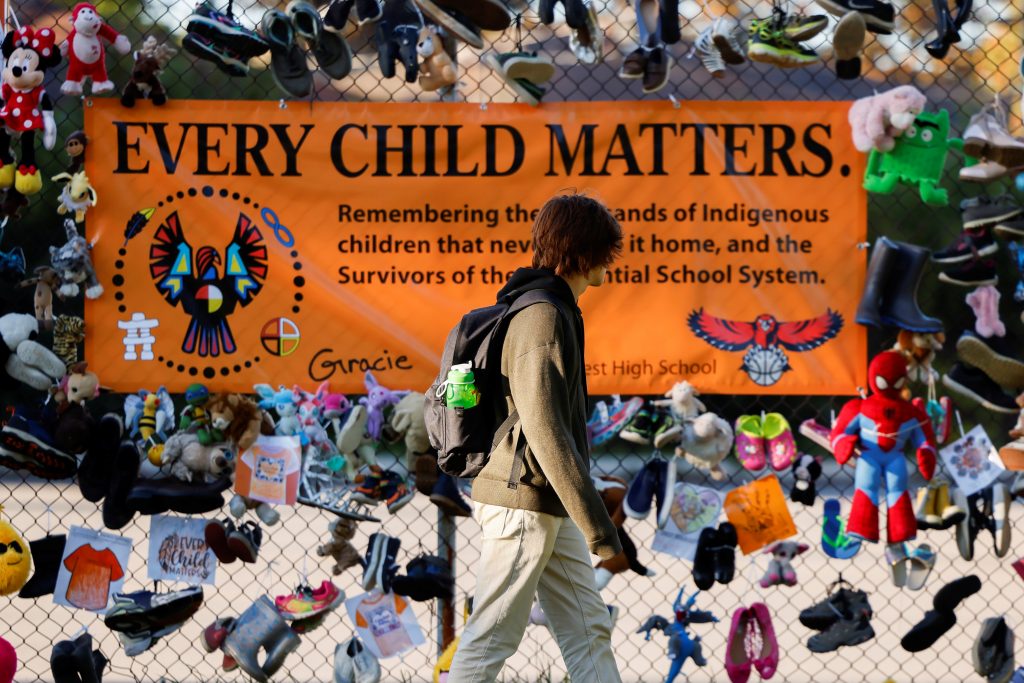


In recent years, Canada has witnessed a troubling resurgence of overt racism, challenging its longstanding image as a multicultural haven. Incidents across the nation suggest that prejudiced sentiments, once confined to private spheres, are now increasingly expressed in public. This article delves into the factors contributing to this phenomenon, drawing insights from recent events and expert analyses.
High-Profile Incidents Highlighting Overt Racism
Several recent events have brought the issue of overt racism to the forefront:
- Don Cherry’s Remarks: In 2019, veteran broadcaster Don Cherry made comments on national television implying that immigrants were not honoring Canadian veterans by wearing remembrance poppies. His statement, “You people that come here… you love our way of life… at least you can pay a couple bucks for a poppy,” was widely condemned as racist, leading to his dismissal from “Hockey Night in Canada.” Wikipedia
- Firefighters’ Halloween Incident: In October 2024, a Halloween party organized by the North Sydney Firefighters Club in Nova Scotia allowed individuals dressed as Ku Klux Klan members to attend. The incident sparked outrage, with community leaders calling for anti-racism training and condemning the act as a reflection of underlying racial biases. nypost.com
- Montreal’s Surge in Antisemitism: Montreal has seen a significant rise in antisemitic incidents, with the city recording the highest number of such hate crimes in North America. This surge includes attacks on Jewish schools and violent protests, highlighting a growing boldness among perpetrators of hate crimes. nypost.com
Factors Contributing to the Rise of Overt Racism
Several interrelated factors have contributed to the increasing visibility of racist expressions in Canada:
- Global Political Climate: The rise of populist and nationalist movements worldwide has emboldened individuals with racist ideologies. The global shift towards right-wing politics has made some feel more comfortable expressing previously concealed prejudices.
- Economic Pressures: Economic challenges, such as housing crises and job competition, have led some Canadians to scapegoat immigrants and minority communities. This misplaced blame has fueled anti-immigrant sentiments and made overt racism more socially acceptable. reuters.com
- Social Media Amplification: Digital platforms have provided spaces where racist ideologies can be shared and reinforced without immediate consequence. The echo chamber effect of social media allows individuals to find like-minded communities, normalizing and spreading overtly racist views.
- Perceived Threats to Cultural Identity: Some Canadians feel that their cultural identity is threatened by increasing diversity, leading to a backlash against multiculturalism and more open expressions of racism.
Expert Perspectives
Experts offer varied insights into this troubling trend:
- Amy Lai, Legal Scholar: Lai emphasizes that while Canada has made strides in addressing overt institutional racism, covert forms persist. She notes that political correctness may have driven prejudices underground, but recent events suggest these biases are resurfacing publicly.
- Perry Bellegarde, Former National Chief of the Assembly of First Nations: Bellegarde asserts that racism in Canada today is often covert and vigorously denied. He argues that despite advancements, racism continues to be deeply embedded in societal institutions. Wikipedia
Community Responses and Calls to Action
In response to the rise in overt racism, communities and leaders are advocating for several measures:
- Education and Awareness: Implementing comprehensive anti-racism education in schools and workplaces to address biases from a young age.
- Policy Reforms: Strengthening laws against hate speech and ensuring robust enforcement to deter public expressions of racism.
- Support Systems: Establishing support networks for victims of racism, including counseling and legal assistance.
- Public Condemnation: Encouraging public figures and institutions to promptly and unequivocally denounce racist incidents, reinforcing societal norms against discrimination.
The increasing visibility of overt racism in Canada is a multifaceted issue that challenges the nation’s commitment to diversity and inclusion. Addressing this problem requires a concerted effort from all sectors of society to promote understanding, enforce anti-discrimination laws, and foster a culture where all individuals feel valued and respected.
Follow Canada News Media
Get the day's top Canadian stories and our two daily 60-second news videos wherever you scroll.