



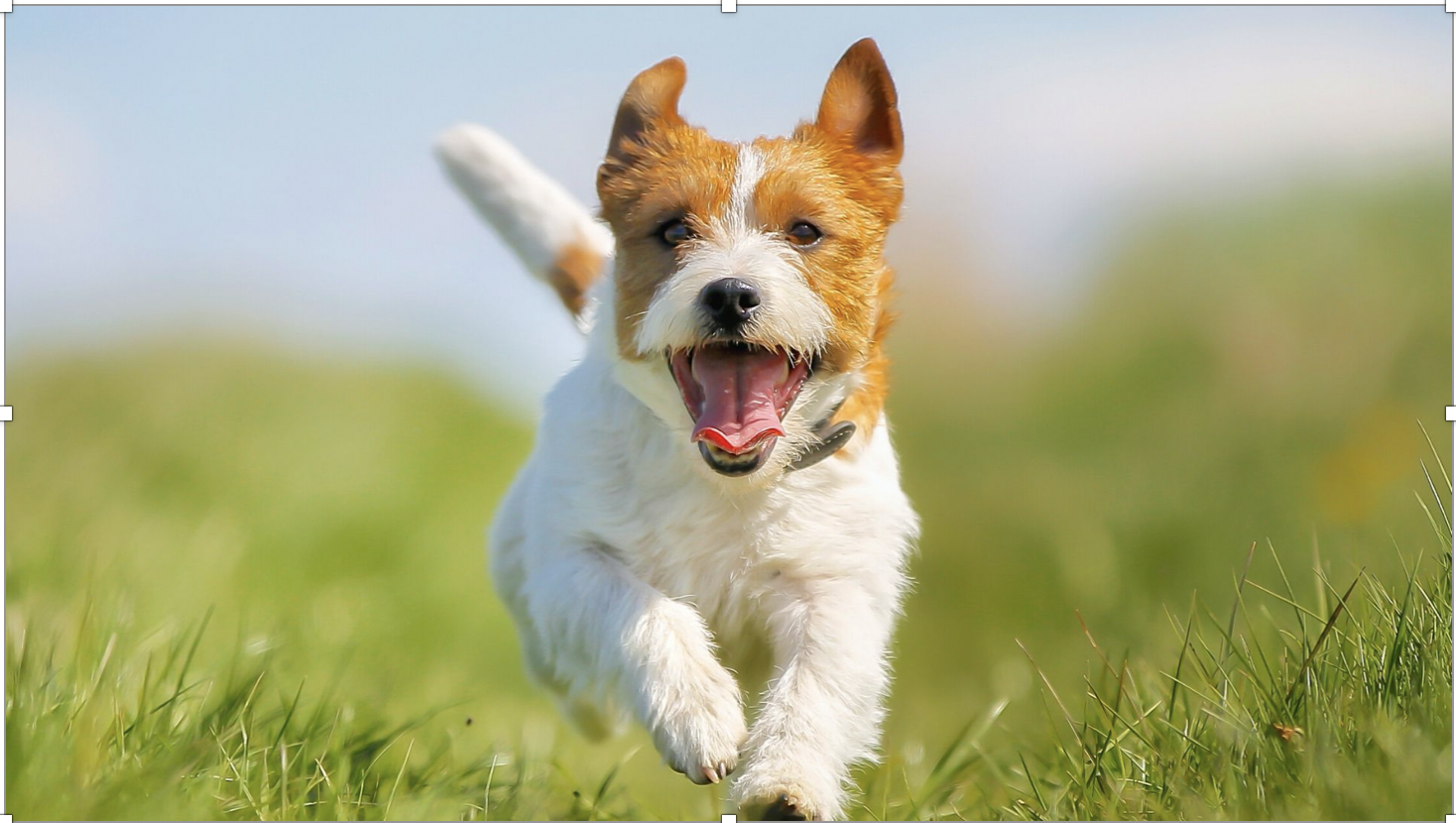
While many pet parents know the importance of giving their dogs physical stimulation, they don’t realize that dogs, like human beings, need mental stimulation too. Various studies suggest that bored dogs can feel depressed, stressed, and apathetic.
Some milder symptoms of a dog lacking mental stimulation include whining, excessive chewing, barking, digging holes, and destroying furniture. More severe symptoms include obsessive-compulsive habits such as spinning, fly biting, self-biting, and incontinence. While managing a dog with this level of anxiety may seem challenging, there are ways to meaningfully improve their behavior through mental stimulation.
Interactive Playtime
Although dogs love playing with toys like frisbees, chew toys, rope toys, and balls, there are more interactive toys available that are designed for mental exercise. Usually, these toys reward smart behavior by dispensing yummy treats.
You can use toys to play with your dog outdoors or indoors. However, a pet parent’s anxiety can come in the way of a dog’s mental stimulation. If you want to know how to keep a dog entertained at home without the stress of a clean-up, then use lightweight and waterproof bed covers that are machine washable and dryer safe. Products like these protect your bed or furniture while your dog enjoys activities that challenge its mind.
Creative Games
If your dog is bored with its interactive toys, you can offer mental stimulation by thinking outside the box. For example, you can let your dog work for its treats. Create an obstacle course in your yard with household objects such as boxes or buy some traffic cones. Leave treats at the end of the obstacle as a prize. Alternatively, play a cup game with your dog by putting a treat under one of three cups and then shifting them around.
Social Interaction
One of the best ways to mentally stimulate a bored dog is to let it play with other dogs, as long as you take some precautions.
- Check first to make sure that the dogs they will be in contact with are vaccinated and dewormed
- The dogs should be of similar size and age
- Let them play in a neutral area to avoid territorial behaviour
- Understand their body language and don’t force them to interact
Variety in Walking Routes
How often you walk your dog depends on its breed, age, physical needs, and your schedule. But, most dogs need between thirty minutes to 2 hours of activity every day. A daily walk is good for both you and your pet’s health. It also strengthens the bond between you and your dog.
However, walking the same route every day can be monotonous for both of you. It’s best to take a different route every day by walking around a different block, neighbourhood, or environment where your pet can be introduced to new sights, smells, and sounds. You can even plan a weekly schedule. One day, you can walk through the park and another you can go near a lake that’s accessible to you. Simply driving to a new location can also be mentally stimulating for your dog.
Taking the time to mentally stimulate your dog can be rewarding for you and your pet. All of these activities can strengthen the bond between the two of you and help improve your dog’s overall behavior.
Published By Harry Miller
Follow Canada News Media
Get the day's top Canadian stories and our two daily 60-second news videos wherever you scroll.
X Threads Facebook Instagram LinkedIn TikTok YouTube Pinterest Reddit Substack Flipboard Newsletter RSS