


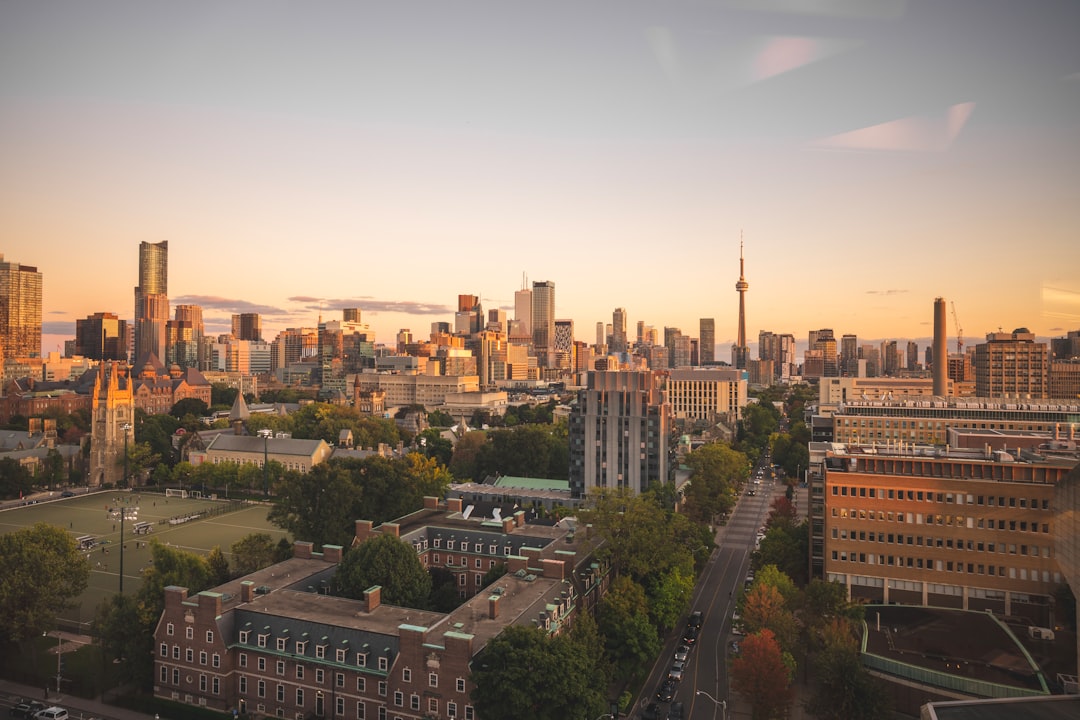
A major housing redevelopment is set to transform a long-standing social-housing site into a much larger mixed-use community, replacing two outdated apartment blocks with 770 new homes. The project also includes retail space at street level and a new public green square, aiming to create a more active and welcoming neighbourhood. Beyond simply rebuilding old housing, the plan is designed to increase density, modernize living conditions and bring new services into the area. It reflects a wider push in many cities to use redevelopment as a way to address housing shortages while improving public spaces.
For Canadians, the story speaks directly to ongoing concerns about housing affordability, aging public housing and the challenge of building complete communities rather than isolated towers. Across Canada, municipalities and housing providers are under pressure to renew older social-housing properties that no longer meet modern standards, while also adding more homes in places already served by transit, schools and shops. Projects like this are especially relevant in cities such as Toronto, Vancouver, Montreal and Calgary, where demand for rental housing continues to outpace supply. Canadian readers will recognize the broader debate: how to add density and new investment without displacing vulnerable residents or losing the social purpose of the original housing.
What comes next will likely centre on planning approvals, construction timelines and how existing tenants are treated during the redevelopment process. Residents, local officials and housing advocates will be watching closely for details on affordability, tenant relocation and the share of homes that remain geared toward lower-income households. Another key question will be whether the commercial space and public square genuinely serve the community or mainly boost the project’s market appeal. As with similar redevelopments, the long-term success will depend not only on the number of homes delivered, but on whether the finished neighbourhood remains inclusive and livable.
The bigger picture is that many social-housing complexes built in the postwar decades are now reaching the end of their useful life and need major repairs or full replacement. Governments and housing agencies increasingly see redevelopment as a way to finance renewal by building more units on valuable urban land, often mixing subsidized and market housing in the same project. Supporters say this can reduce maintenance backlogs, create safer buildings and make better use of scarce land, especially near transit and employment centres. Critics, however, warn that unless strict protections are built in, redevelopment can shrink the stock of deeply affordable housing or temporarily uproot tenants who already face economic pressure.
The redevelopment at the centre of this story stands out because it combines several priorities that cities around the world, including in Canada, are trying to balance at once. There is the urgent need for more housing, the desire for better-quality public and affordable homes, and the growing expectation that new developments should include amenities that support everyday life. Adding retail at ground level can help create a more active streetscape, bring services within walking distance and improve the sense of safety through regular foot traffic. A public green square, if done well, can offer much-needed outdoor space for families, seniors and workers while also giving the neighbourhood a shared focal point.
This kind of redevelopment often carries both promise and tension. On one hand, replacing aging social-housing blocks can dramatically improve energy efficiency, accessibility and building safety. New units may be better insulated, cheaper to heat and cool, and easier to navigate for people with mobility needs. On the other hand, residents and advocates frequently worry that “revitalization” can become a polished word for gentrification if new homes are priced beyond the reach of the people who most need them. The test is whether the redevelopment protects existing residents, preserves long-term affordability and delivers public benefits that last beyond the ribbon-cutting.
That question matters in Canada because housing policy here is increasingly focused on supply, but supply alone does not solve every problem. Federal, provincial and municipal governments have all introduced funding tools and housing strategies aimed at boosting construction, preserving affordable units and supporting community housing providers. Yet many Canadians still struggle with rising rents, long wait-lists for subsidized housing and a limited number of family-sized rental homes. Redeveloping older social-housing sites can be part of the solution, but only if projects are structured carefully and monitored over time.
Another reason the project resonates is its emphasis on creating a mixed-use neighbourhood instead of a single-purpose residential enclave. Canadian planners have spent years encouraging “complete communities,” where people can live, shop, access services and spend time outdoors without relying heavily on a car. In theory, developments that include homes, commercial space and quality public realm can reduce isolation and better connect residents to the wider city. For families, that can mean easier access to groceries, childcare or local services. For older adults, it can mean more walkable daily life. For municipalities, it can mean stronger local economies and more efficient use of infrastructure.
Still, public trust often depends on the details. Canadians have seen housing announcements that sound ambitious at the start but take years to materialize or fall short of affordability promises. That is why the practical terms of this redevelopment will matter more than the design renderings. People will want to know how many units are truly affordable, how many are suitable for larger households, how current tenants will return if they choose to, and whether the green square remains genuinely public and well maintained. Clear communication and accountability will be essential if the project is to be seen as a model rather than a missed opportunity.
In the end, the redevelopment represents a familiar but important urban story: replacing old housing with more homes, more activity at street level and a reimagined public space. It has the potential to improve living conditions and add meaningful housing supply at a time when both are badly needed. For Canadian readers, its value lies not just in the local transformation, but in what it reveals about how cities can rebuild social housing in a way that is larger, denser and hopefully fairer. If handled well, it could offer lessons for communities across Canada facing the same housing pressures and the same difficult choices.
Follow Canada News Media
Get the day's top Canadian stories and our two daily 60-second news videos wherever you scroll.
X Threads Facebook Instagram LinkedIn TikTok YouTube Pinterest Reddit Substack Flipboard Newsletter RSS