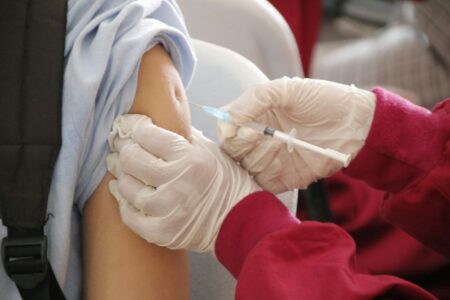




There has been a spike in mpox infections in Toronto since the start of the year and public health officials are now warning eligible residents to make sure they are vaccinated.
The health unit says that since January there have been 21 confirmed cases of the virus in the city, compared to 27 in all of 2023.
It said that none of those affected were fully vaccinated and that travel is not a “significant factor” among the current infections, meaning that there is local community transmission.
“Amidst increased cases of mpox in Toronto, it’s important to recognize that cases are predominantly non-travel-related, emphasizing the importance of vaccination,” Toronto’s Medical Officer of Health Dr. Eileen de Villa said in a press release.
“Completing the two-dose vaccination series provides the best protection against mpox and helps reduce serious symptoms.”
Public health officials said that currently mpox is primarily being spread in the city between people who have had close/intimate or sexual contact with a person who has the virus. Those most affected include gay and bisexual men as well as men who have sex with other men, TPH noted in a release.
“We want to remind cis and trans gay, bi, queer, and all men who have sex with men, to get their first and second dose of the mpox vaccine,” Devan Nambiar, of Gay Men’s Sexual Health Alliance, said in the release.
“Mpox has not been entirely eradicated and we want you to take care of yourself and protect your sexual partners.”
Mpox, which is formerly known as monkeypox, is a virus that spreads from person to person through contact with infected lesions, skin blisters, body fluids, or respiratory secretions. It can also be transmitted through contact with contaminated materials like clothing or bedding as well as through bites or scratches from infected animals.
Symptoms of mpox can begin anywhere from five to 21 days after exposure and include fever, headache, muscle aches, exhaustion, and swollen lymph nodes. Toronto Public Health said that those symptoms are followed by a rash or blisters and lesions on the skin that can be painful, including around the genitals.
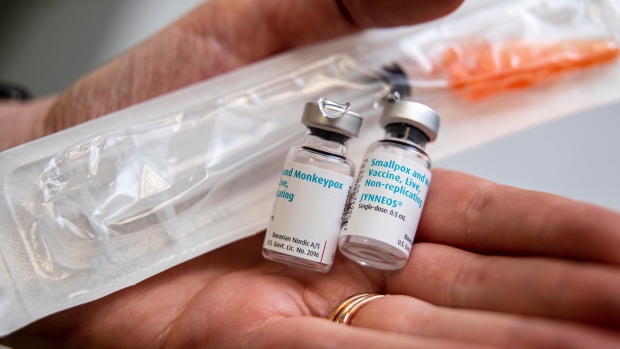
The best way to prevent mpox is through a two-dose vaccine that is given over a 28-day period, which protects those immunized against transmission as well as helps reduce serious symptoms of the virus. The vaccine becomes most effective after two weeks, TPS said.
It should be noted that those who got the smallpox vaccination in the past are not protected against mpox.
Residents can find out more information about the vaccine, which is free of charge and accessible without an OHIP card, where they access sexual health care.

Follow Canada News Media
Get the day's top Canadian stories and our two daily 60-second news videos wherever you scroll.
X Threads Facebook Instagram LinkedIn TikTok YouTube Pinterest Reddit Substack Flipboard Newsletter RSS