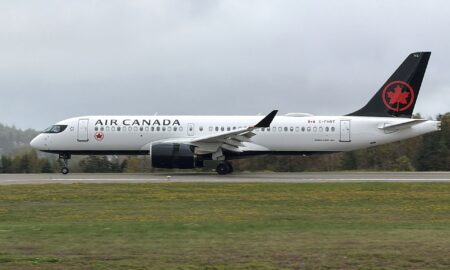



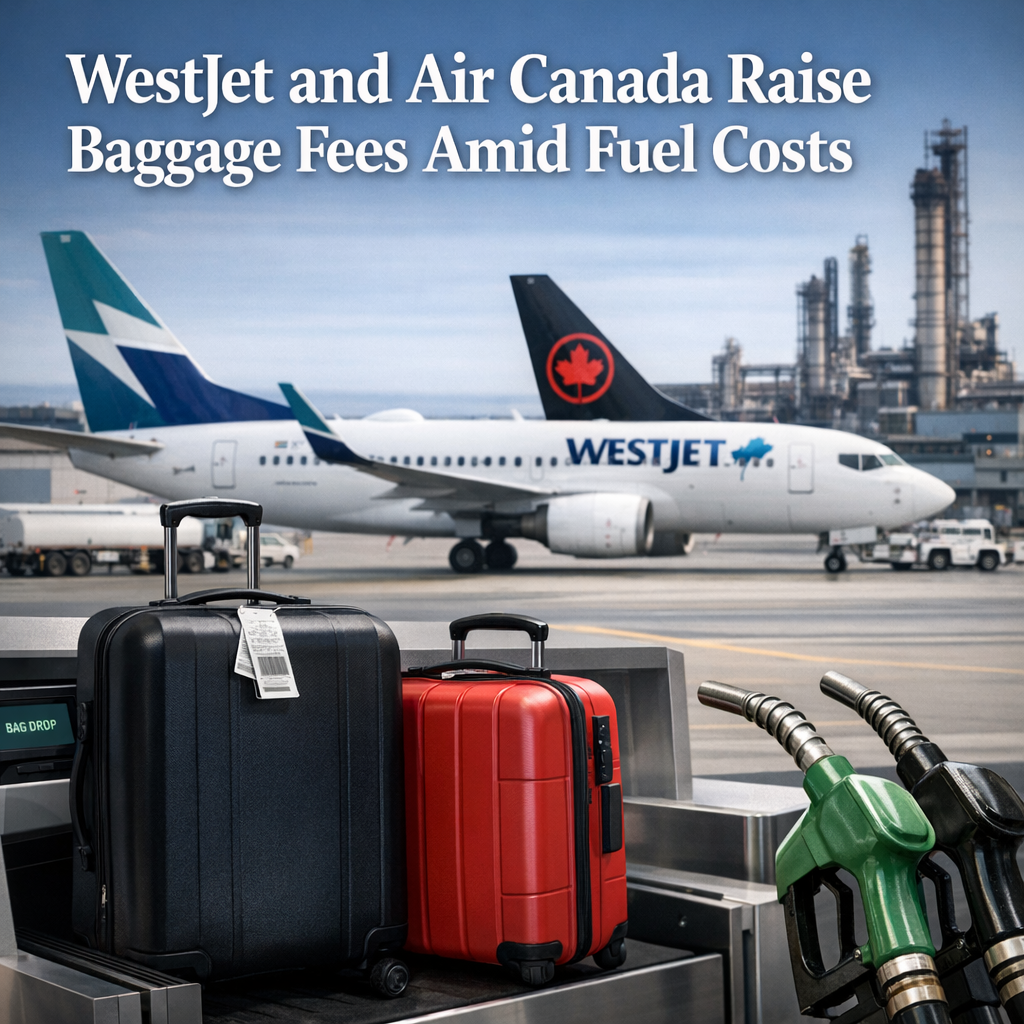
Air travel is getting more expensive and less convenient as airlines in Canada and around the world face rising operating costs. Carriers are responding by increasing fares, trimming flight schedules and focusing on the routes that make the most money. For travellers, that means fewer choices, fuller planes and a greater chance that the cheapest tickets will disappear quickly. The pressure is being felt across the industry, from major international airlines to smaller regional operators.
For Canadians, the effects are especially noticeable because so many communities rely on air service for business, tourism and basic connectivity. Families planning vacations may need to book earlier and pay more, while workers who commute for projects or meetings could see fewer direct flights and longer travel days. Smaller airports and remote regions are particularly vulnerable when airlines cut less profitable routes, which can make travel for medical appointments, education and family visits more difficult. At a time when many households are already watching their budgets, higher ticket prices add another layer of strain.
What comes next will depend on whether airline costs keep climbing and how strong consumer demand remains through the next travel seasons. Travellers should watch for continued schedule adjustments, especially on regional routes and during off-peak periods when airlines are more likely to reduce capacity. Regulators, airports and the industry will also be under pressure to improve reliability and protect service levels if disruptions and price increases continue.
The broader context is that airlines have been dealing with a complex mix of challenges since the pandemic upended global travel. Demand has returned strongly, but carriers still face higher fuel bills, labour expenses, aircraft maintenance costs and supply chain delays that make it harder to keep fleets in service. In Canada, the geography of the country adds another challenge, because long distances and smaller markets can make air routes more expensive to operate than in denser regions elsewhere. The result is an industry trying to balance profitability with service, while passengers absorb more of the cost through higher fares and reduced flexibility.
Canadian travellers are heading into a period where air travel may remain pricey even if demand softens slightly. Airlines in Canada and abroad are adjusting to a costlier business environment, and they are doing so in ways that passengers notice immediately: higher fares, fewer flights and tighter schedules. While some routes continue to perform well, especially between major cities and popular holiday destinations, the overall trend points to a more cautious approach from airlines trying to protect their margins. That means consumers are likely to keep feeling the pinch every time they search for flights.
One of the biggest cost pressures is fuel, which remains one of the largest expenses for any airline. Even when oil prices do not spike dramatically, volatility makes planning harder and can push carriers to build more cushion into ticket prices. Labour is another major factor, as airlines compete for pilots, flight attendants, mechanics and airport staff in a market where wages have risen. Added to that are aircraft leasing costs, financing expenses tied to higher interest rates and maintenance bills that have climbed as fleets age or parts become harder to source.
For Canadians, these pressures show up differently depending on where they live. Passengers in large hubs such as Toronto, Vancouver, Montreal and Calgary may still see plenty of options, but they are often paying more for peak travel dates and popular routes. In smaller cities, travellers may have fewer daily departures, which can make missed connections or weather delays even more disruptive. In northern and remote communities, reduced air service can be about more than convenience, because flights are often essential links for healthcare, work, deliveries and social connection.
There is also a knock-on effect for the broader economy. Tourism operators depend on affordable and reliable flights to attract visitors, especially in destinations that are not within easy driving distance. Business travel becomes harder to justify when fares rise and itineraries require extra stops, which can affect conferences, trade activity and investment visits. Universities and colleges that rely on domestic and international mobility may also feel the impact if students face more expensive or less predictable travel. For households, every additional airline fee or fare increase competes with spending on hotels, restaurants and other parts of a trip.
Another important issue is how airlines are choosing where to cut. Carriers tend to protect high-demand, high-yield routes first, because those flights bring in the strongest returns. Less busy regional links, seasonal destinations and flights at less popular times of day are more likely to be reduced or dropped. This can leave some communities with fewer choices and less competition, which in turn can keep prices elevated. When there are only one or two practical options on a route, travellers have less ability to shop around.
Canadian readers should also keep in mind that not every fare increase is driven by one single cause. Airport fees, navigation charges, security-related costs and local taxes can all play a role in the final ticket price. Weather-related disruptions, which are becoming more frequent in some regions, can further strain airline operations and make schedules less efficient. When planes and crews are out of position, even a small disruption can ripple through the network and add costs that eventually reach passengers.
Looking ahead, travellers may need to be more flexible and more strategic. Booking well in advance, comparing nearby airports and avoiding the busiest travel windows could make a bigger difference than in past years. Canadians should also watch how airlines manage summer and holiday schedules, since those periods often reveal whether carriers are confident enough to add service or cautious enough to keep capacity tight. If costs remain high and competition does not increase meaningfully, fare relief may be limited in the near term.
The bigger picture is that Canada’s air travel market has long been shaped by geography, population spread and a relatively small number of dominant players on many routes. Those structural realities can make the system more fragile when costs rise quickly or demand shifts unexpectedly. Even so, air travel remains essential to Canada’s economy and daily life, connecting people across a vast country and linking Canadian businesses to the world. As airlines continue to raise prices and reduce schedules, the challenge for the industry and policymakers will be finding ways to preserve access, reliability and affordability for the people who depend on it.
Follow Canada News Media
Get the day's top Canadian stories and our two daily 60-second news videos wherever you scroll.
X Threads Facebook Instagram LinkedIn TikTok YouTube Pinterest Reddit Substack Flipboard Newsletter RSS