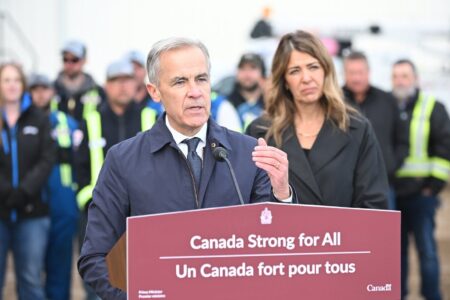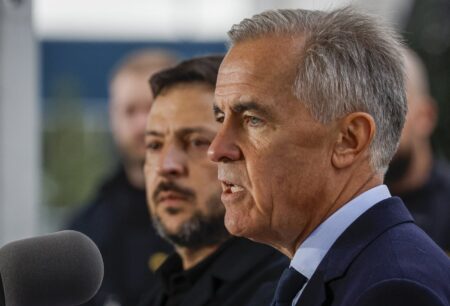

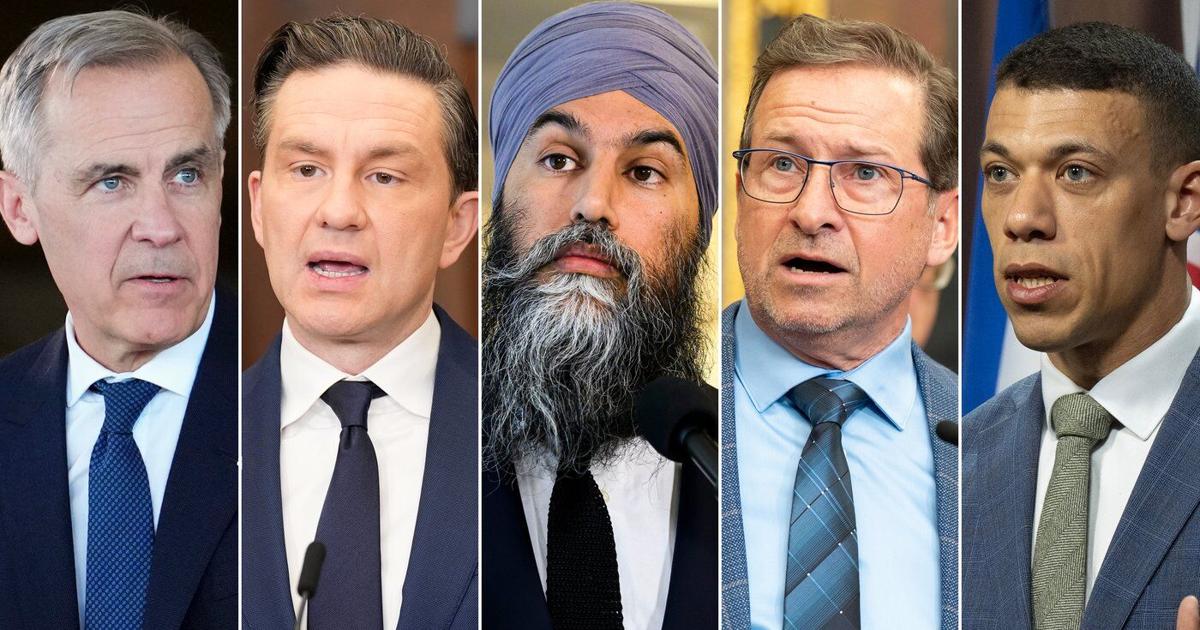
As Canada approaches the federal election on April 28, 2025, the nation’s political landscape is marked by significant transitions and challenges. Prime Minister Mark Carney, who succeeded Justin Trudeau in March, leads the Liberal Party into this critical election, facing off against Conservative leader Pierre Poilievre and NDP leader Jagmeet Singh. The backdrop of escalating trade tensions with the United States, including tariff threats from President Donald Trump, has intensified the campaign’s focus on economic sovereignty and national identity.
Liberal Party’s Position
Prime Minister Mark Carney, renowned for his economic expertise as the former head of the Bank of Canada and the Bank of England, has emphasized the importance of diversifying Canada’s international trade relationships and reassessing key defense agreements. This strategic pivot aims to reduce Canada’s economic reliance on the U.S. and bolster national resilience. Barron’s
While specific campaign statements addressing Black Canadians have not been prominently featured, the Liberal Party has a history of acknowledging and supporting Black communities. In February 2025, then-Prime Minister Justin Trudeau stated, “In communities across Canada, Black leaders, scientists, artists, entrepreneurs, and activists have shaped our country’s history and continue to inspire its future.” This sentiment reflects the party’s recognition of the contributions of Black Canadians.pm.gc.ca
New Democratic Party (NDP) Perspective
NDP leader Jagmeet Singh has consistently highlighted issues of racial equity and inclusion. During Black History Month in February 2025, Singh remarked, “February is Black History Month, a time to honour the achievements, contributions and stories of Black Canadians who have fought to make Canada a better country.” This statement underscores the NDP’s commitment to addressing the challenges faced by Black communities in Canada.
Conservative Party’s Stance
Conservative leader Pierre Poilievre has centered his campaign on economic issues, particularly in response to the U.S. tariff threats. He has pledged to defend Canada’s independence and economic interests, positioning himself as a strong advocate against external economic pressures. However, there have been no specific statements from Poilievre during this campaign directly addressing the concerns or priorities of Black Canadians.
Broader Implications
The current election campaign is heavily influenced by external economic challenges, notably the aggressive trade policies of the U.S. administration. This focus has somewhat overshadowed domestic social issues, including those pertinent to Black Canadians. Organizations such as Amnesty International have called on candidates to place human rights at the forefront of their campaigns, emphasizing the need for a comprehensive approach that includes addressing systemic discrimination and promoting equity. Amnesty International Canada
As the election date approaches, it remains to be seen how each party will further articulate their positions on issues affecting Black Canadians and other marginalized communities. Voters will be looking for commitments that not only address immediate economic concerns but also promote long-term social inclusion and equity.
Follow Canada News Media
Get the day's top Canadian stories and our two daily 60-second news videos wherever you scroll.