

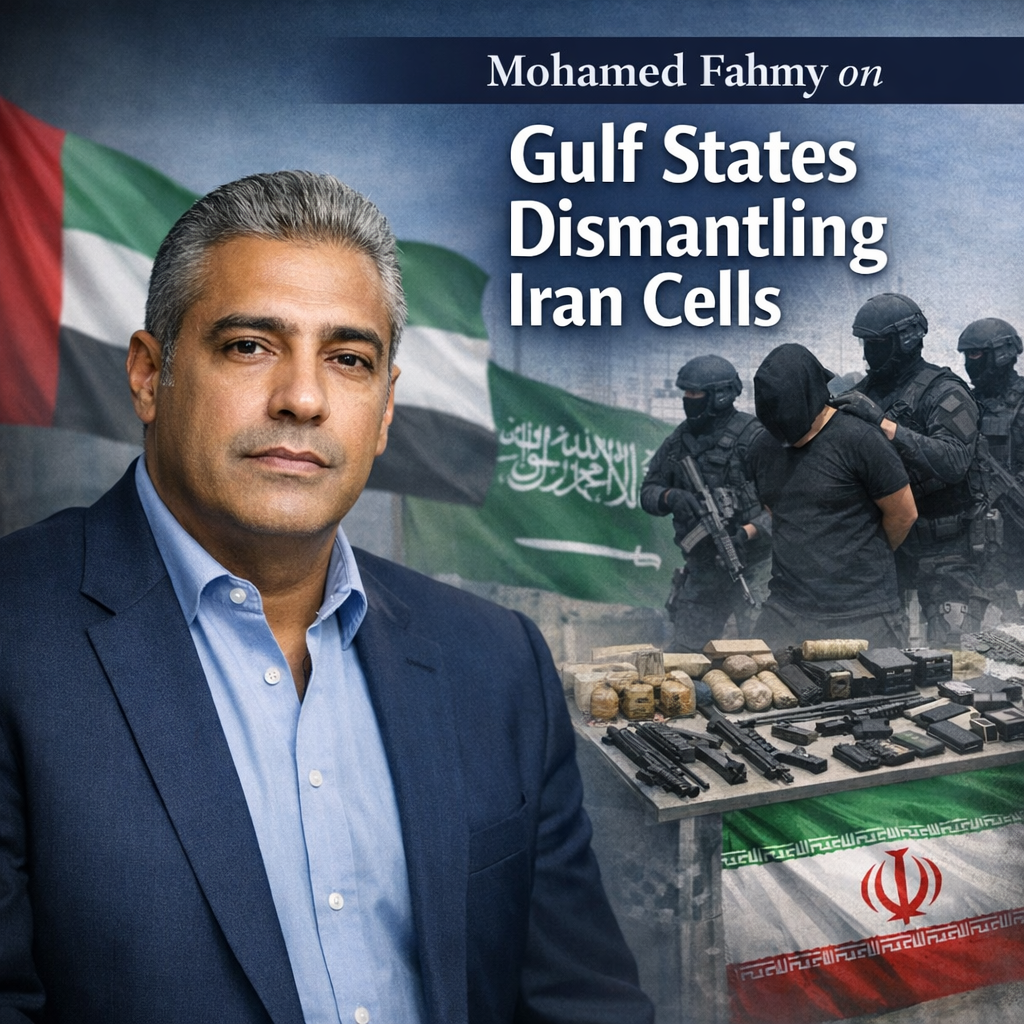
Security agencies in Europe, the Middle East and North America are tightening their guard as tensions involving Iran and its allied militant networks continue to rise. Officials are worried that groups linked to Tehran could respond to regional conflict with attacks, cyber disruptions or intimidation campaigns far beyond the immediate war zone. That concern is not limited to embassies or military sites; police and intelligence services are also watching for threats against public spaces, transportation hubs and community organizations. The broader fear is that a conflict centred overseas could trigger security incidents in countries that are not directly involved in the fighting.
For Canadians, this kind of global alert can affect daily life in ways that are subtle but real. Security may be increased around airports, government buildings, Jewish institutions, cultural centres and major public events, especially in large cities such as Toronto, Montreal, Vancouver, Ottawa and Calgary. Canadian officials may also step up monitoring of online threats, foreign interference, extremist financing and cyber risks aimed at public services or businesses. Families with ties to the Middle East may feel the emotional strain most acutely, while community leaders in Canada could face renewed pressure to protect members from hate, harassment or politically motivated violence.
In the coming days and weeks, Canadians should watch for updates from federal agencies, local police and Global Affairs Canada, particularly if the security environment shifts quickly. Authorities will likely focus on whether any Iran-linked actors show signs of planning attacks, coordinating intimidation or targeting infrastructure abroad or in Western countries. It will also be important to see whether governments issue new travel advisories, sanctions, criminal charges or protective measures for at-risk communities and institutions.
To understand the current alert level, it helps to know how Iran projects influence outside its borders. Rather than relying only on conventional military force, Tehran has long built relationships with armed groups and political movements across the region, including organizations that Western governments have designated as terrorist entities. These proxy networks have been used to pressure rivals, deter attacks and expand Iran’s reach without always triggering a direct state-to-state confrontation. When regional fighting intensifies, security services in countries like Canada often worry that these networks, or individuals inspired by them, could act in ways that spill across borders through violence, covert planning, cyber operations or targeted threats.
The latest wave of concern comes as international intelligence agencies reassess the risk of retaliation tied to the broader Middle East crisis. Even when there is no evidence of a specific imminent plot in Canada, officials often move to a higher level of vigilance when tensions involving Iran rise sharply. That can mean closer co-ordination between CSIS, the RCMP, local police forces, border officials and international partners such as the United States and European allies. The goal is to detect warning signs early, protect vulnerable locations and prevent a regional conflict from creating security consequences on Canadian soil.
This matters in Canada because the country is home to large, diverse communities with personal, religious, cultural and family connections across the Middle East. A rise in global tension can increase fear among Jewish, Iranian, Arab, Muslim and other communities, especially when overseas developments inflame passions online and in the streets. Canadian authorities have repeatedly warned in recent years that foreign states and affiliated actors may attempt to intimidate dissidents, influence debate, surveil critics or sow division inside diaspora communities. In that sense, the risk is not only about spectacular acts of violence; it also includes harassment, coercion and interference that can erode public safety and trust.
Cybersecurity is another area Canadians should pay attention to. Iranian state-linked hackers and proxy actors have been accused by Western governments of targeting infrastructure, companies, public agencies and private organizations during periods of geopolitical strain. In practical terms, that could translate into phishing campaigns, website disruptions, attempted ransomware attacks or efforts to steal sensitive data. Canadian businesses, universities, hospitals and municipal services are not always at the centre of such campaigns, but they can still be exposed if threat actors cast a wide net or target allies of countries involved in the dispute.
There is also a political and diplomatic dimension. Canada has taken a hard line on Iran in recent years, including sanctions and measures aimed at senior regime figures, and has expressed concern about repression, terrorism and foreign interference. That posture can shape how Canadian institutions assess risk, particularly when allied countries report growing signs of hostile activity. Ottawa may not publicly disclose every threat assessment, but Canadians often see the visible effects through heavier policing, public warnings, event security reviews and stronger messaging to critical sectors.
At the same time, officials and community leaders usually stress that heightened vigilance should not turn into suspicion toward entire populations. Most Canadians with roots in the region are focused on family safety, humanitarian concerns and peace, not conflict. A responsible response requires separating legitimate security threats from prejudice, misinformation and collective blame. That balance is especially important in Canada, where social cohesion can come under strain when overseas wars become emotionally charged domestic issues.
What happens next will depend largely on whether the regional crisis escalates, stabilizes or shifts into a prolonged period of indirect confrontation. If tensions worsen, security agencies may keep a closer watch on suspected extremist networks, lone-actor threats and cyber activity, while governments consider further sanctions or diplomatic responses. If the situation cools, some of the visible security posture may ease, but intelligence monitoring is likely to continue for months. For Canadian readers, the key takeaway is that distant conflicts can carry local consequences, and officials are trying to stay ahead of risks before they reach everyday public life.

Follow Canada News Media
Get the day's top Canadian stories and our two daily 60-second news videos wherever you scroll.
X Threads Facebook Instagram LinkedIn TikTok YouTube Pinterest Reddit Substack Flipboard Newsletter RSS