


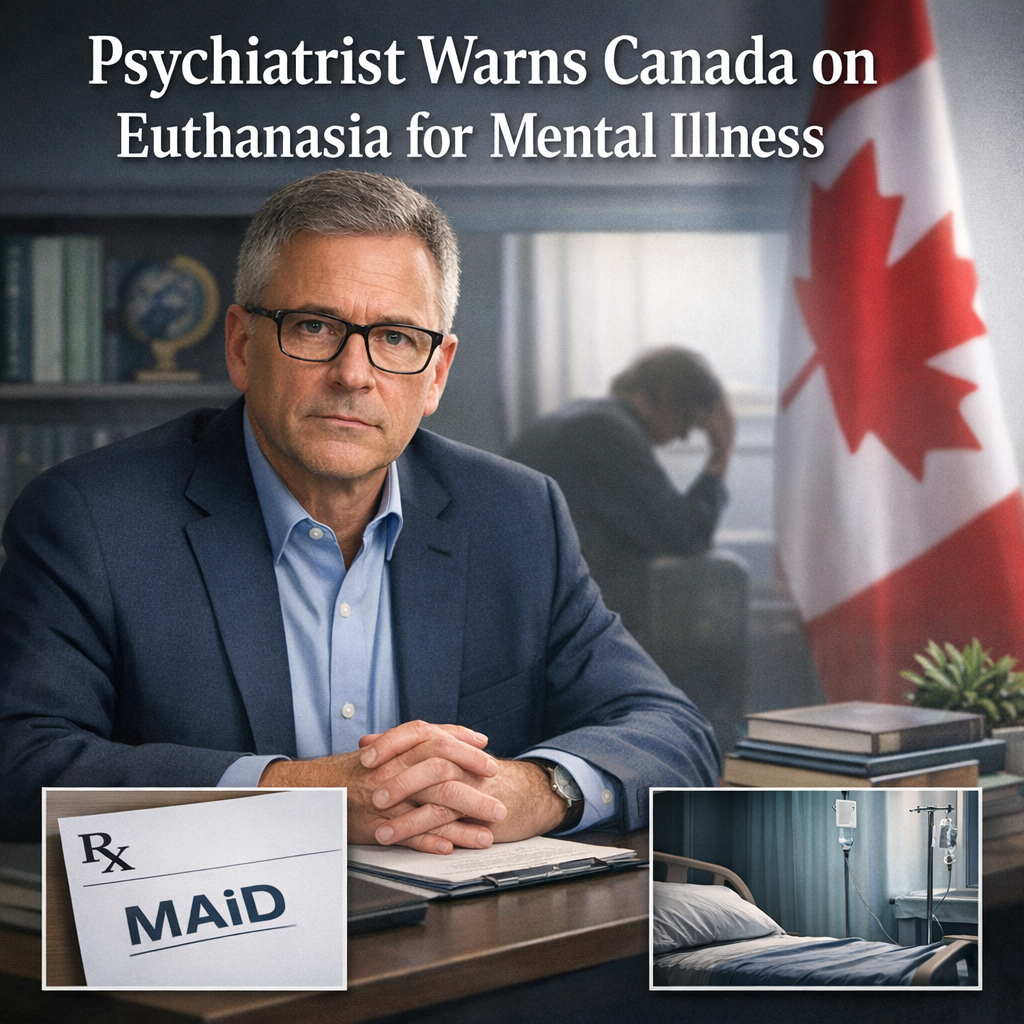
Canada’s assisted dying debate is under fresh scrutiny after a British doctor told a parliamentary committee that Canada has expanded medical assistance in dying, or MAID, far beyond what many people expected when the law first changed. Dr. John Maher argued that the system is now reaching veterans, people living with disabilities and others whose medical conditions may be manageable or treatable. His testimony adds to a growing international and domestic conversation about whether Canada’s safeguards are strong enough and whether vulnerable people are being adequately protected. The remarks are likely to intensify political and public pressure as lawmakers continue to review how MAID is working in practice.
For Canadians, this issue goes well beyond Parliament and court rulings because it touches health care, disability supports, mental health treatment and trust in public institutions. Families making difficult end-of-life decisions want reassurance that choices are informed, voluntary and not shaped by poverty, isolation or long waits for care. Veterans Affairs Canada, provincial health systems and disability advocates have all faced questions about whether some people are hearing about assisted death before they receive proper help to live with dignity. The debate also matters to front-line doctors, nurses and social workers who must navigate legal rules while caring for patients in moments of extreme vulnerability.
In the weeks ahead, Canadians should watch for renewed committee hearings, sharper criticism from disability rights groups and fresh calls for tighter federal safeguards around MAID assessments. There may also be more pressure on Ottawa and the provinces to improve access to palliative care, housing, income support and mental health services so that assisted dying is not seen as a substitute for treatment or social support. Any further controversy involving veterans or people with disabilities could quickly push the issue higher on the national political agenda.
Canada first legalized assisted dying for certain eligible adults in 2016 after major court and constitutional challenges. Since then, the law has expanded, most notably in 2021, when eligibility was broadened beyond people whose natural death was considered reasonably foreseeable. That change created a more complex system with different assessment tracks and renewed debate over how to balance personal autonomy with the duty to protect vulnerable people. At the same time, the country has been grappling with uneven access to health care, palliative care and disability supports, which critics say can influence how real a person’s choices actually are.
The latest concerns were aired during a parliamentary committee hearing that focused on Canada’s MAID regime and how it is perceived at home and abroad. Dr. Maher, speaking as an outside observer with medical experience, suggested that Canada has moved faster and further than many comparable countries in making assisted dying available. He pointed to cases and categories of patients that critics believe should trigger far more caution, especially where social hardship, chronic disability or unmet medical needs may be part of the picture. His intervention is significant because it reinforces a criticism that has been building for several years: that the law may be operating in a health and social system that does not always offer people enough alternatives.
That criticism has been especially sensitive when it comes to veterans. Reports in recent years that some former service members were offered information about MAID in interactions with Veterans Affairs staff caused public outrage and led to investigations and apologies. For many Canadians, veterans are a clear example of people who should first receive robust support for trauma, rehabilitation, housing and long-term care, not conversations that appear to steer them toward assisted death. Even if such cases are rare, they have had an outsized effect on public confidence because they raise difficult questions about institutional culture and the boundaries of appropriate care.
Disability rights advocates have also been among the strongest voices calling for reform. Many say the Canadian system too often treats suffering as an individual medical problem when, in reality, much of the hardship disabled people face comes from poverty, inaccessible housing, inadequate home care and social exclusion. In that context, they argue, choosing MAID cannot be viewed in isolation from the failure of governments to provide equal living conditions and meaningful supports. This has created a deep divide in the broader debate, with some emphasizing autonomy and the right to make deeply personal decisions, while others warn that freedom of choice is compromised when basic needs are not being met.
Supporters of the current framework often stress that MAID includes legal eligibility rules, independent assessments and consent requirements. They argue that Canadians facing grievous and enduring suffering should have the right to decide what medical path they take, provided the law is followed carefully. Many also note that public support for assisted dying remains substantial, especially in cases involving severe illness and intolerable pain. But even some supporters have expressed unease about how the system works for people whose suffering is shaped by chronic disability, mental illness, lack of treatment options or social disadvantage.
Mental illness has been one of the most contentious fronts in the MAID debate. Canada had planned to expand eligibility to cases where mental illness is the sole underlying condition, but that move was delayed after widespread concern from clinicians, provinces and advocacy groups about readiness and safeguards. Critics say the difficulty of predicting the course of mental illness, combined with major gaps in psychiatric care, makes this area especially risky. The delay reflects a broader reality: lawmakers are still struggling to define where compassion ends and preventable harm begins.
What makes the Canadian conversation so intense is that MAID does not exist in a vacuum. Long wait times, doctor shortages, weak palliative care access in some communities and inconsistent disability benefits all shape the environment in which these decisions happen. A person may technically qualify under the law while also lacking the home care, counselling, pain treatment or income security that could make life more bearable. That is why each new controversy reverberates so strongly: Canadians are not only debating assisted dying itself, but also the condition of the public systems surrounding it.
The political stakes are high because Parliament must continually assess whether the law reflects Canadian values and Charter rights while maintaining public trust. Committee testimony like Dr. Maher’s can influence both public opinion and the tone of future reviews, even when lawmakers disagree with some of the details or conclusions. Federal and provincial governments may now face renewed demands to show that MAID is truly a last-resort option rather than something encountered amid gaps in care. For many readers, the central question is no longer only whether assisted dying should be legal, but whether Canada has built a system that ensures the choice is genuinely free, informed and supported by real alternatives.
As this debate continues, Canadians are likely to hear more competing stories from patients, families, doctors, disability advocates and legal experts. Some will focus on relief from unbearable suffering and the dignity of personal choice. Others will highlight cases where social neglect, inadequate treatment or bureaucratic failure seem to have narrowed a person’s options. The challenge for Canada is to respond to both truths at once: protecting individual autonomy while ensuring no one seeks MAID because the country failed to provide the care and support they deserved.
Follow Canada News Media
Get the day's top Canadian stories and our two daily 60-second news videos wherever you scroll.
X Threads Facebook Instagram LinkedIn TikTok YouTube Pinterest Reddit Substack Flipboard Newsletter RSS