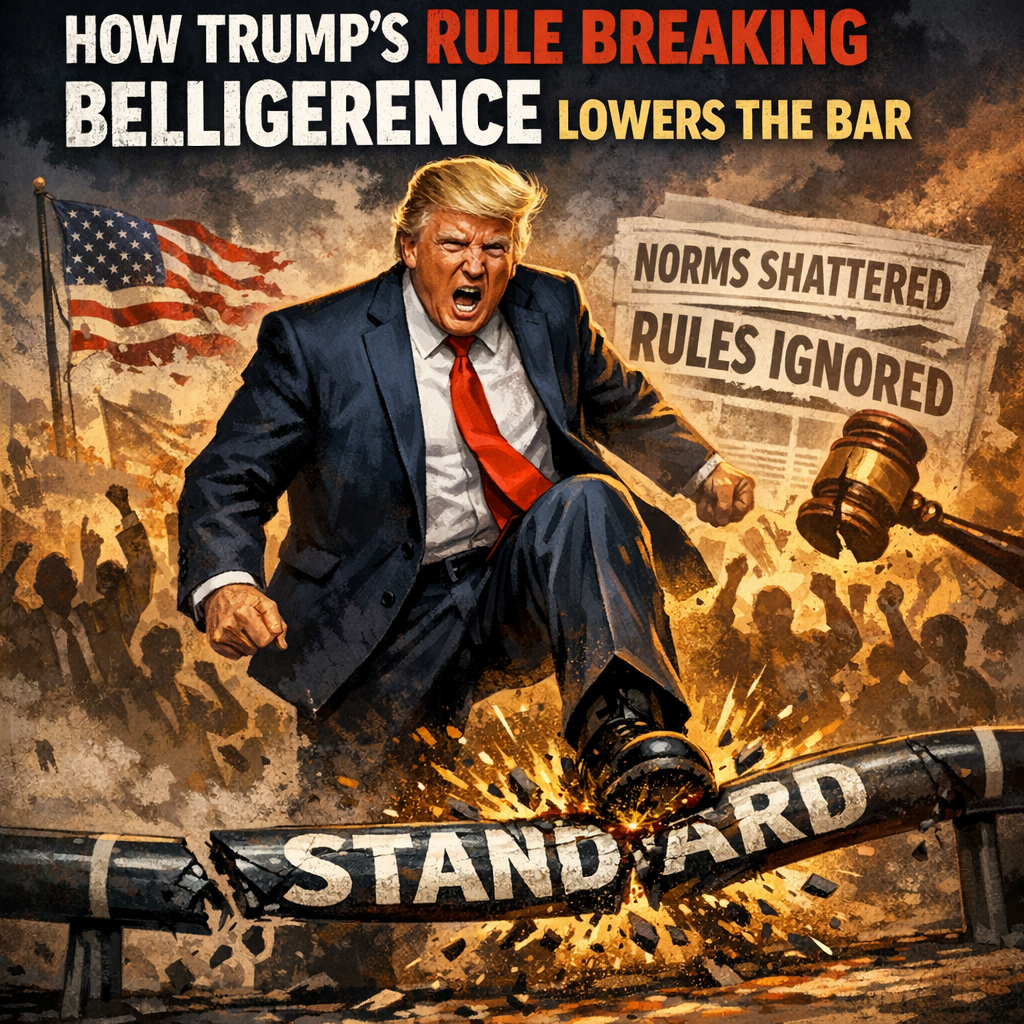



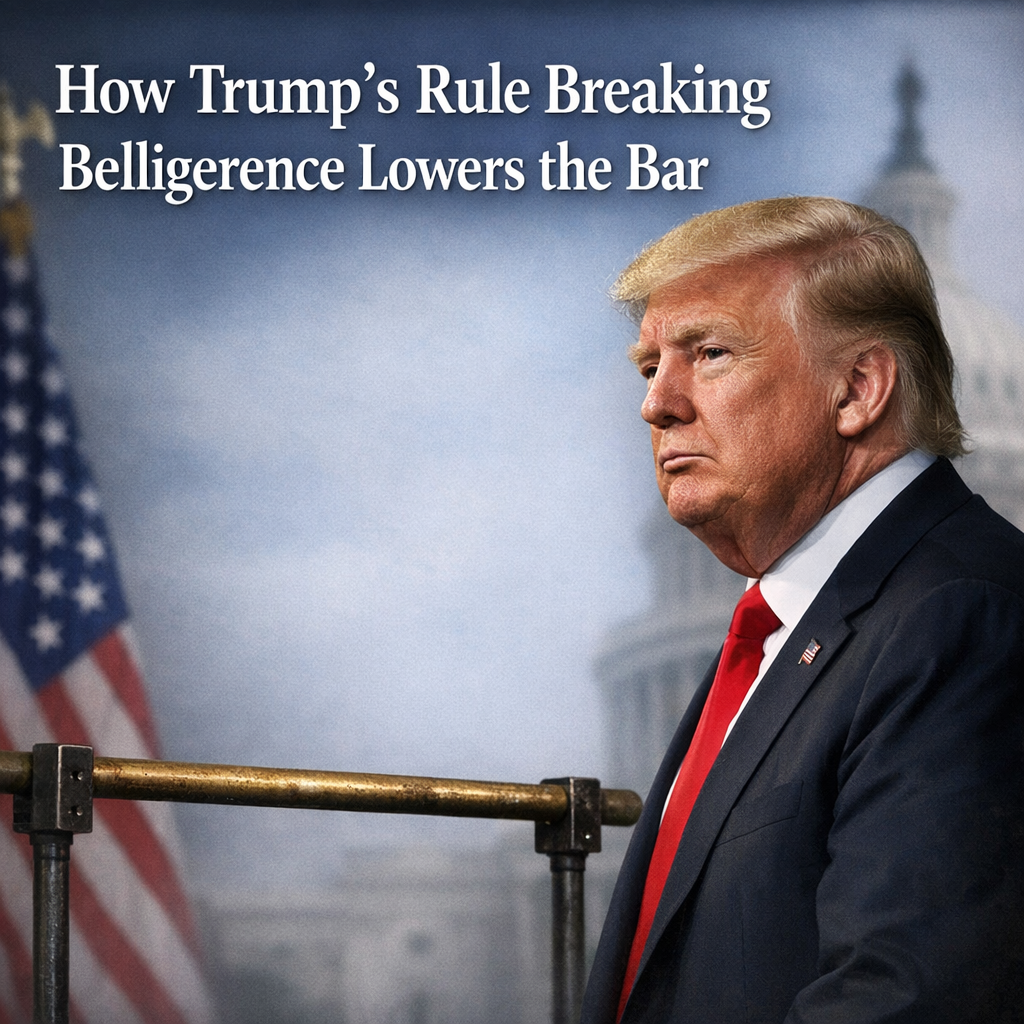
A hard lesson in global politics is playing out again: when a powerful leader ignores basic standards of loyalty, honesty and co-operation, other countries take note and adjust their own behaviour. The central idea is simple — if governments come to believe that deals can be tossed aside and allies can be used when convenient, trust begins to erode across the international system. That can make diplomacy more fragile, trade more uncertain and security partnerships harder to manage. Even countries that prefer stability can be pushed into more defensive, transactional behaviour when they feel the old rules no longer apply.
For Canadians, this matters because Canada depends heavily on a world where agreements are respected and alliances have real meaning. Our economy relies on predictable trade relationships, our security is tied to long-standing partnerships such as NATO and NORAD, and our foreign policy often works best when countries follow shared rules instead of raw power. If major states begin acting as though betrayal and sudden reversals are normal, Canada can face higher economic risk, more pressure on defence planning and less room to rely on quiet diplomacy. In everyday terms, that kind of instability can eventually affect jobs, investment, energy markets, supply chains and the cost of living.
What to watch next is whether other governments start responding more openly in kind — building narrower alliances, demanding tougher guarantees or pulling back from co-operation they once took for granted. Canadians should also watch how Ottawa reacts, especially in trade, defence and diplomatic strategy, as it tries to protect national interests in a less predictable environment. Another key question is whether democratic allies can rebuild confidence among themselves or whether mistrust will deepen further over time.
The broader background is that the international order built after the Second World War has long depended not just on military strength, but on a basic expectation that allies keep their word often enough to make co-operation worthwhile. No system has ever been perfectly fair or consistent, and major powers have always bent rules when it suited them. Still, there has traditionally been a difference between occasional disputes and a broader style of politics that treats loyalty, principle and mutual obligation as expendable. When that distinction weakens, even countries far from the original dispute can feel the consequences.
At the heart of this story is a warning about how behaviour at the top travels outward. Heads of state watch one another closely. They study not only speeches and formal treaties, but patterns of conduct: who stands by partners, who changes positions suddenly, who treats commitments as real and who treats them as temporary tools. Once leaders conclude that personal advantage matters more than credibility, they may stop investing in trust-based diplomacy altogether. That creates a more cynical and brittle world, one in which countries hedge, delay and prepare for disappointment instead of building durable co-operation.
That shift is especially important for middle powers like Canada. Unlike the largest states, Canada cannot simply impose its will when global relationships sour. It does best in systems where laws, institutions and stable expectations help balance power. If the international climate becomes more openly transactional, Ottawa may have to work harder to defend Canadian interests, strengthen ties with reliable partners and diversify economic and strategic relationships. That can mean more intense diplomacy, a stronger focus on domestic resilience and greater urgency around reducing vulnerabilities in critical sectors.
There is also a domestic political dimension Canadians should not ignore. International mistrust rarely stays confined to foreign capitals. It can shape debates here at home about defence spending, trade diversification, industrial policy, intelligence-sharing and how much Canada should depend on any one ally. When the outside world becomes less reliable, governments often face public pressure to spend more on security, shore up key industries and rethink exposure to geopolitical shocks. Those choices can have real consequences for federal budgets, provincial economies and household finances.
In practical terms, a breakdown in trust between countries can show up in quieter ways before it becomes a full-blown crisis. Negotiations take longer. Informal understandings stop working. Governments begin demanding written guarantees, backup plans and stronger enforcement mechanisms. Businesses follow the same pattern, becoming more cautious about long-term investments when political relationships seem shaky. For Canadians, that can translate into slower-moving projects, more uncertainty for exporters and less confidence in the stability that underpins growth.
Canada’s position is complicated by geography and history. We share deep economic and security ties with the United States, while also trying to maintain constructive relationships with Europe, Asia and other partners. If the tone of global leadership shifts toward open self-interest and disregard for allies, Canada has limited ability to remain untouched. It must navigate between defending principle and protecting practical interests, sometimes at the same time. That balancing act is familiar to Canadian policymakers, but it becomes much harder when unpredictability is treated as a normal negotiating style rather than an exception.
There is a longer historical context here as well. The modern rules-based order did not emerge by accident. It was built from the failures of earlier eras, when broken promises, secret bargains and power politics contributed to instability and conflict. Institutions such as the United Nations, NATO, the World Trade Organization and a network of bilateral agreements were created in part to reduce the damage caused by arbitrary state behaviour. Those systems have often fallen short, but they still matter because they offer smaller and mid-sized countries some protection against a world run entirely on intimidation and impulse.
If those habits of co-operation weaken, countries will not all react the same way. Some will rearm. Some will seek new regional blocs. Some will try to stay neutral, while others will double down on trusted partnerships. Canada is likely to pursue a mix of these responses: reinforcing core alliances, expanding trade links beyond traditional markets and investing more in domestic capacity in areas seen as strategically important. The exact choices will depend on how severe the breakdown in trust becomes and whether allies can restore a sense of reliability.
For now, the main takeaway for Canadian readers is that leadership conduct is not just about personality or political theatre. When powerful figures show that loyalty and principle can be discarded without consequence, that message spreads beyond any one summit or dispute. It teaches others to expect less, protect themselves more and co-operate only when forced. For a country like Canada, whose prosperity and security depend on a reasonably dependable world, that is not an abstract concern. It is a real strategic challenge with economic, diplomatic and everyday consequences.