



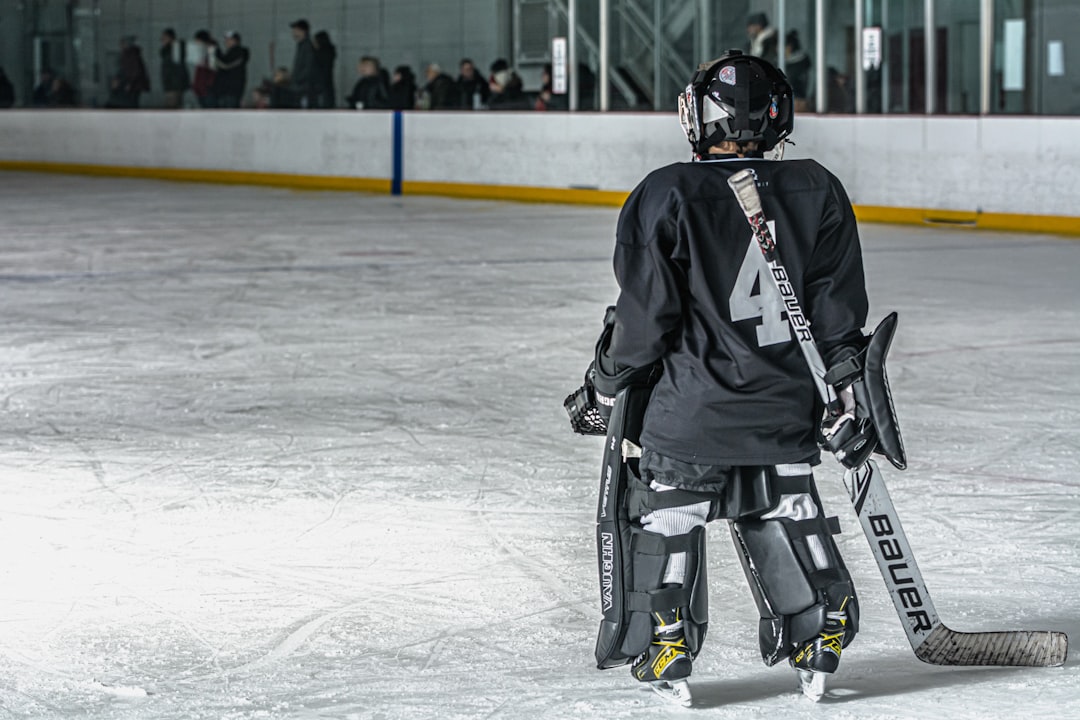
The Manitoba Moose are in urgent need of a response after dropping the opening game of their playoff series against the Milwaukee Admirals. In a short best-of-three matchup, a single loss can quickly shift the pressure, and the Moose now have little room for error as they try to keep their season alive. Milwaukee controlled key moments in the opener and capitalized on its chances, while Manitoba was left chasing the game. For the Moose, the challenge now is not only tactical but mental, as they must regroup quickly and deliver a stronger all-around effort in the next outing.
For Canadian hockey fans, especially in Manitoba, this series matters well beyond one night on the scoresheet. The Moose are a major part of Winnipeg’s pro hockey landscape and serve as an important step in the development path for players connected to the Winnipeg Jets organization. A deep run would give local supporters more playoff hockey to rally around and more opportunities to watch up-and-coming talent in meaningful games. It also shines a light on the role Canadian markets continue to play in developing players, building fan communities, and supporting the broader hockey economy through ticket sales, local business traffic, and regional sports coverage.
What comes next is straightforward but intense: Manitoba must win the next game to extend the series and force a deciding contest. Coaches and players will likely focus on generating more sustained offence, tightening defensive coverage, and finding a way to handle Milwaukee’s pace and structure. Goaltending, special teams, and discipline could become even more important, especially in a series where one bad stretch can decide everything. If the Moose can respond quickly, the pressure could shift right back onto the Admirals.
The broader context here is that the American Hockey League playoffs are often as much about development as they are about winning. The Moose, as the AHL affiliate of the NHL’s Winnipeg Jets, are tasked with helping prospects adjust to pro hockey while also competing in a demanding league filled with experienced players and top farm teams. Short playoff series can be especially unforgiving, because there is almost no time to correct mistakes or recover from a slow start. That makes Game 1 losses feel even larger, and it is why Manitoba’s next performance will say a great deal about the group’s resilience, depth, and readiness for high-pressure hockey.
The Manitoba Moose entered the series knowing Milwaukee would be a difficult opponent, and the opener reinforced that reality. The Admirals have built a reputation as a structured, competitive team that can punish breakdowns and protect leads effectively. In the first game, Manitoba struggled to create enough sustained pressure in the offensive zone, and that left the club needing to rely on too few quality chances. When a team falls behind in a playoff setting, it becomes harder to stay patient, and games can start to tilt if frustration creeps in.
That is likely one of the biggest concerns for the Moose heading into the next contest. In a best-of-three format, there is no luxury of easing into a series or hoping momentum will gradually turn. Every shift matters more, every special-teams opportunity carries extra weight, and small mistakes can become season-defining. Manitoba’s coaching staff will be looking for a more composed effort, particularly in transition and around the net, where playoff hockey tends to be won through detail and second efforts rather than flashy plays.
From a Canadian perspective, the stakes are easy to understand. The Moose are more than a minor-league team for many fans in Manitoba; they are part of a broader hockey identity tied closely to the Jets and to the province’s strong support for the sport at every level. When the club is in the playoffs, it gives local fans another meaningful team to follow and gives younger players in the region a visible example of the professional path between junior hockey and the NHL. That connection matters in a country where hockey development, local pride, and community support are deeply linked.
There is also a practical side to playoff hockey in Canadian cities. Home games create activity downtown and around the arena, drawing fans into restaurants, bars, and nearby businesses. Local broadcasters, sports radio programs, and community papers all gain another storyline to cover, helping keep attention on homegrown sports conversations during a busy spring calendar. For many Canadian readers, that makes the Moose playoff push relevant even if they do not follow every game closely, because successful teams often have a ripple effect across a city’s cultural and economic life.
Looking ahead, Manitoba’s biggest task will be to find a cleaner, more direct offensive game. That does not necessarily mean dramatically changing its identity, but it does mean attacking with more purpose and making life more difficult for Milwaukee’s defenders and goaltender. The Moose will also need contributions from more than one line if they want to survive, because playoff opponents are usually too organized to be beaten by a narrow attack. If Manitoba can score first and force Milwaukee to play from behind, the complexion of the series could change in a hurry.
Another area to watch is special teams. In playoff hockey, power plays and penalty kills often swing momentum more sharply than they do in the regular season. A timely power-play goal can energize a bench, while a failed opportunity can leave a team pressing too hard afterward. Discipline becomes essential, especially against an opponent that appears comfortable playing with structure. If the Moose stay out of unnecessary trouble and make the most of their chances, they will give themselves a much better opportunity to push the series to the limit.
There is still time for Manitoba to turn this around, but not much. Playoff hockey is built on response, and the best teams are often the ones that can absorb a disappointing night without letting it define them. The Moose now face that test directly. For fans in Manitoba and across Canada who follow the Jets pipeline or simply enjoy spring hockey, the next game will offer a clear measure of whether this team can reset, compete with urgency, and keep its season going.