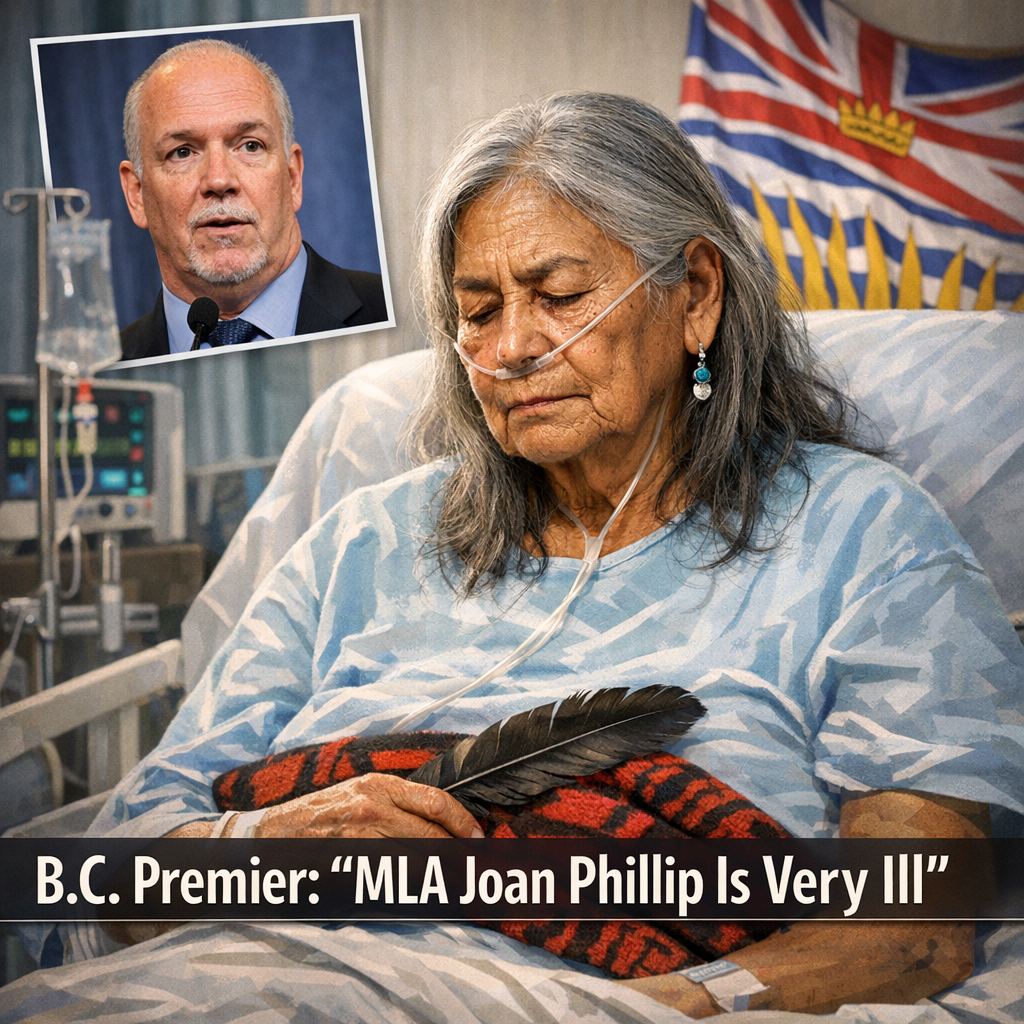


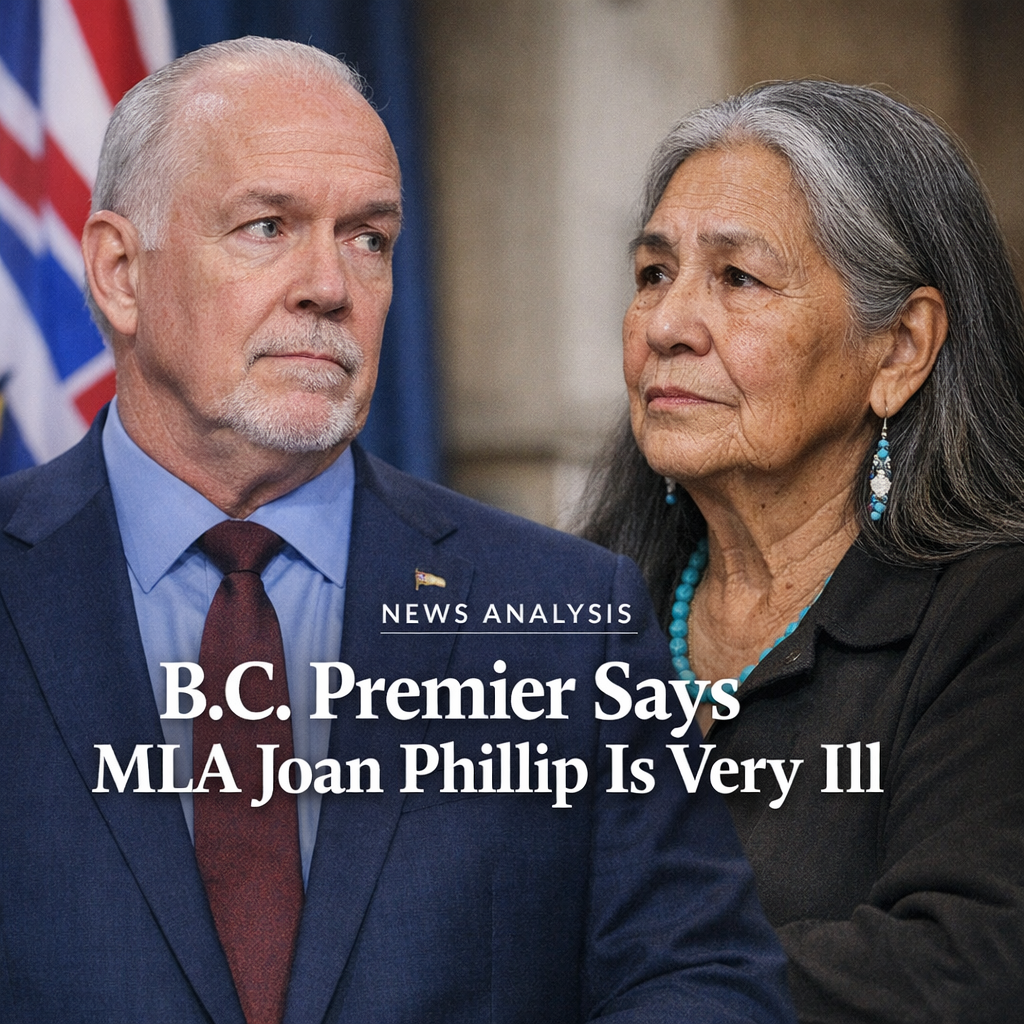
British Columbia MLA Jenny Kwan is stepping away from her duties for an extended medical leave, prompting questions about representation in Vancouver-Strathcona and the timing of her return to public life. Her party first disclosed late last year that she was dealing with a health issue and undergoing medical tests, but few details have been shared publicly. The situation has drawn attention because Kwan is a well-known figure in B.C. politics with a long record of advocacy on housing, poverty and immigrant communities. For now, the focus remains on her recovery and on how her responsibilities will be managed while she is away.
For Canadian readers, the story matters because elected representatives play a direct role in helping residents navigate government services, raise local issues and push for policy changes at the provincial level. Constituents in Vancouver-Strathcona may be wondering how casework, community meetings and advocacy files will continue during Kwan’s absence, especially in a riding that faces ongoing pressures linked to housing affordability, homelessness and health care access. More broadly, the news is another reminder that public officials are also people who can face serious health challenges while carrying demanding workloads. It also highlights how parties and legislatures handle temporary absences and maintain continuity when a sitting MLA cannot fully perform regular duties.
What comes next will likely depend on Kwan’s medical situation and any further updates from her or the B.C. NDP caucus. Residents and political observers will be watching to see whether a clearer timeline is provided for her return, and how constituency services are organized in the meantime. There may also be renewed discussion about privacy, transparency and the balance public figures must strike when dealing with personal health matters.
Kwan has been a prominent voice in British Columbia politics for years, first building her profile in municipal politics before serving provincially and later federally. She has often been associated with issues affecting lower-income residents, renters, newcomers and urban neighbourhoods under heavy economic pressure. Vancouver-Strathcona, the area tied to her political identity, is one of the province’s most diverse and politically engaged ridings, and its challenges often mirror wider debates taking place across Canada. Because of that, any extended absence involving its representative tends to attract interest well beyond the riding itself.
The medical leave comes after the NDP caucus said in December that Kwan was unwell and receiving tests, though the nature of the illness was not publicly disclosed. That limited information has left room for speculation, but parties in Canada generally try to respect a politician’s medical privacy unless the individual chooses to share more. In many cases, caucuses release only the minimum needed to explain a reduced public schedule or absence from legislative work. That approach can frustrate voters who want clarity, but it reflects a broader expectation that health information remains personal unless there is a compelling public reason to say more.
In practical terms, an MLA’s absence can affect both local and legislative work. Constituency offices typically continue operating, helping residents with issues tied to provincial programs, agencies and ministries, even when the elected member is unavailable. Inside the legislature, however, a missing voice can still matter, especially when debates touch directly on community concerns or when a representative has expertise in a particular policy area. For a riding like Vancouver-Strathcona, which has often been at the centre of discussions around mental health, addictions, housing, policing and social supports, steady political advocacy can be especially important.
The story also lands at a time when Canadians are paying closer attention to the well-being of political leaders and public servants. Politics at every level has become more intense, more visible and often more personally demanding, with long hours, constant travel, public scrutiny and online hostility all adding pressure. While voters rightly expect accountability from elected officials, there is also growing recognition that recovery from illness should not be turned into a spectacle. Cases like this can open a wider conversation about workplace health, stress and support systems, even in professions that are often seen as high-profile and privileged.
For British Columbia’s governing party, the main challenge will be making sure constituents continue receiving support while avoiding unnecessary public speculation. If Kwan remains away for a significant period, the caucus may need to more clearly explain who is handling key local concerns and how residents can access help. Political opponents may try to frame the absence in procedural or representational terms, but that would need to be balanced against public sympathy for someone dealing with a health issue. In Canada, voters tend to respond poorly when genuine personal illness becomes overtly politicized.
The broader significance of the story lies less in day-to-day partisan strategy and more in what it says about public service. Elected officials are expected to be present, responsive and resilient, yet they are not immune to illness or uncertainty. When a representative temporarily steps back, it tests the strength of the systems around them, from constituency staffing to caucus support and legislative procedure. It also asks communities to be patient while still expecting that democratic representation will continue.
Until more is known, the key facts remain fairly limited: Kwan has taken medical leave, her party has acknowledged she has been ill, and no detailed diagnosis has been made public. That means the most responsible approach is to focus on confirmed information rather than rumour. For Canadians following the story, the central questions are straightforward: how long the leave may last, how Vancouver-Strathcona residents will be served in the meantime, and whether Kwan will be able to return when her health allows.