
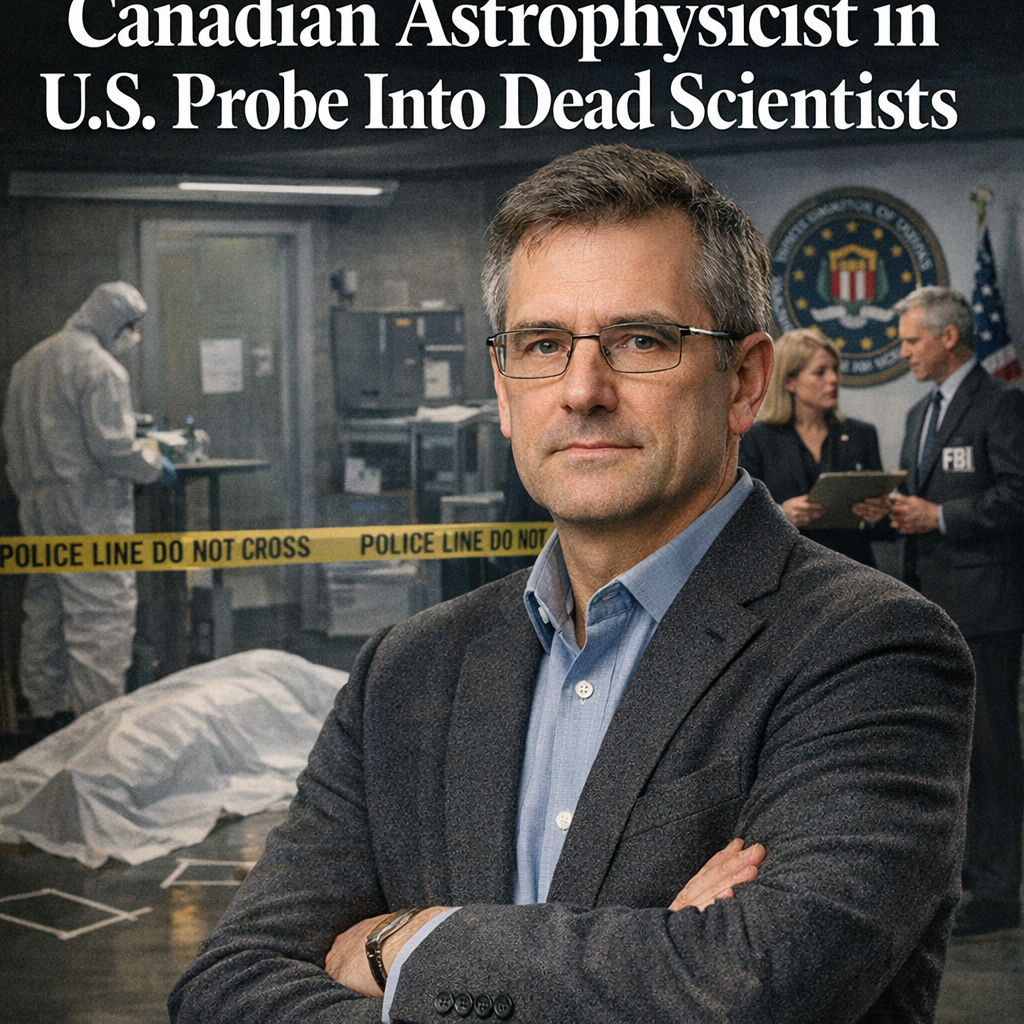
Authorities in Iran are investigating a wave of unexplained deaths involving several people linked to the country’s nuclear and aerospace sectors, a development that is drawing fresh international attention to the safety and secrecy surrounding strategically sensitive research programs. Reports suggest many of those who died had worked in advanced scientific or military-related fields, though relatives of some victims have challenged the idea that every case was tied to classified work. The deaths have fuelled speculation inside and outside Iran, especially because details remain limited and official explanations appear uneven from case to case. In a region already marked by conflict, covert rivalry and mistrust, the story is raising new questions about whether these incidents were accidental, natural, or something more deliberate.
For Canadians, the story matters because Iran’s nuclear activities remain a major international security issue that can affect global diplomacy, energy markets and regional stability. Canada has long taken an interest in nuclear non-proliferation, sanctions enforcement and the safety of dual-use technology, so any unusual events involving Iranian researchers are closely watched by federal officials, security analysts and academic institutions. The issue may also resonate with Iranian Canadians, many of whom follow developments in Iran closely and often rely on fragmentary reporting when official information is hard to verify. If tensions rise or foreign states are accused of interference, Canadians could see knock-on effects in foreign policy debates, immigration and consular concerns, and broader discussions about national security.
In the days ahead, observers will be watching for clearer statements from Iranian authorities, as well as any independent evidence that helps explain whether the deaths are connected. International watchdogs, regional governments and intelligence analysts will also be looking for signs that these incidents could affect negotiations, sanctions policy or the already fragile balance of power in the Middle East. Much will depend on whether verifiable information emerges, because so far the public record appears incomplete and contested.
The broader context is important. Iran’s nuclear program has been under international scrutiny for decades, with Western governments and the International Atomic Energy Agency often seeking greater transparency about enrichment activities, research sites and compliance with past agreements. At the same time, Iranian military and aerospace projects have been viewed by rivals as part of a wider strategic effort that includes missile development and advanced defence capabilities. Against that backdrop, sudden deaths involving researchers or engineers can quickly become politically charged, especially in a country where official secrecy, sanctions pressure and geopolitical rivalry often make straightforward answers hard to obtain. Family members disputing links to sensitive work also underscore a key point: in stories like this, early claims can be incomplete, and careful verification matters before broader conclusions are drawn.