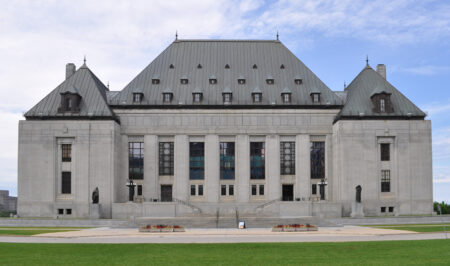



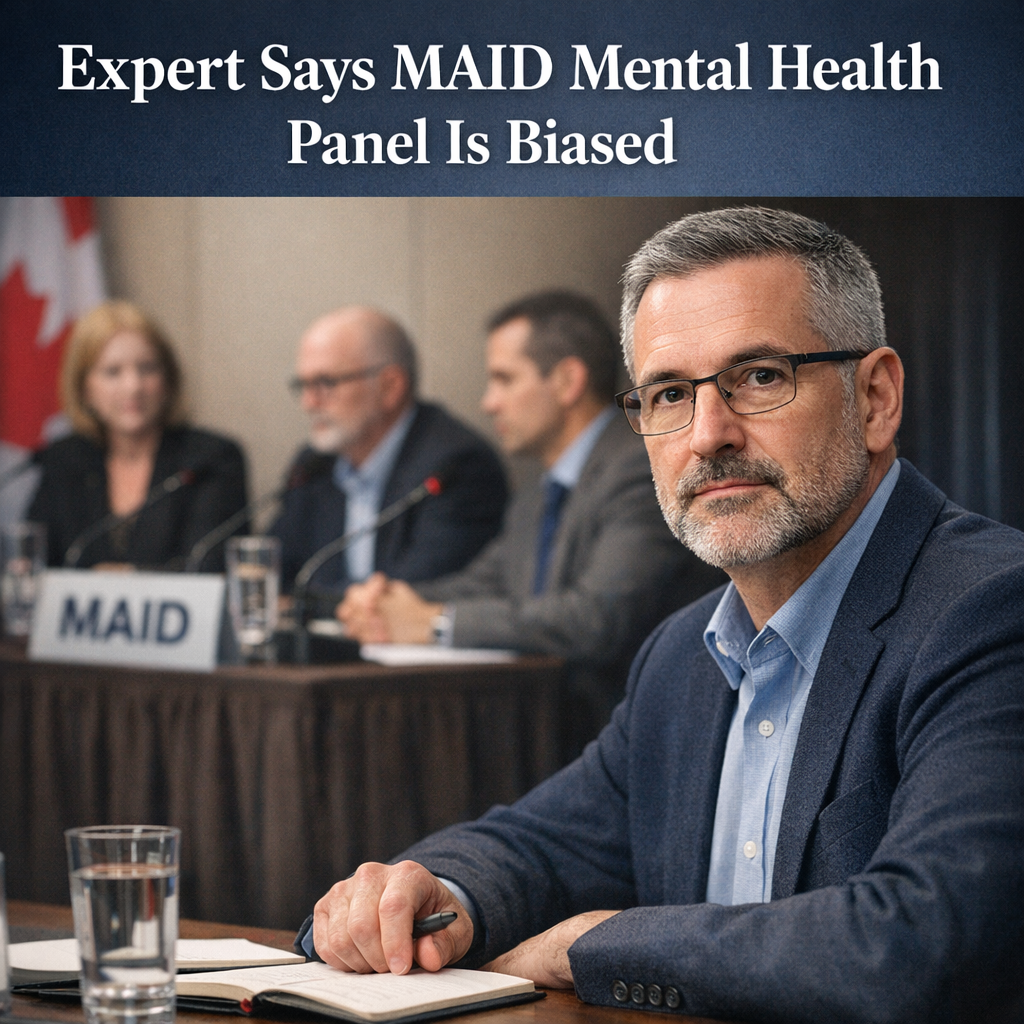
A federal review of Canada’s medical assistance in dying law is drawing fresh scrutiny as debate intensifies over whether people with a mental illness as their only underlying condition should be allowed to apply. Legal scholar Jocelyn Downie says the parliamentary committee studying the issue is hearing from many witnesses who are against the planned expansion, raising concerns about whether the process is balanced. The discussion comes as Ottawa faces pressure to decide whether to move ahead with the change or delay it again. With strong views on both sides, the issue is becoming one of the most closely watched health and ethics debates in the country.
For Canadians, this discussion reaches far beyond Parliament because it touches health care access, disability rights, mental health treatment and end-of-life policy. Families, patients, doctors, nurses and provincial health systems could all be affected by whatever Ottawa decides next, especially since provinces and territories would play a major role in how any new rules are carried out. The debate also raises practical questions about whether Canada’s mental health system is strong enough to support people in crisis before they seek an assisted death. For many readers, the issue is not only about law and ethics, but about whether public institutions can offer timely care, protection and choice at the same time.
In the weeks ahead, attention will likely stay on the special joint committee of senators and MPs reviewing the law and hearing from more experts, advocates and clinicians. The federal government will also face growing pressure to explain whether it believes the health system is prepared, and whether safeguards are sufficient if the expansion proceeds. Another delay remains possible, especially if ministers conclude there is not enough clinical readiness or public confidence to move forward on schedule.
To understand the current fight, it helps to know how Canada arrived here. Medical assistance in dying, often called MAID, has expanded in stages since it was first legalized in 2016 after major court rulings and federal legislation. Parliament later changed the law to remove the requirement that a person’s natural death be reasonably foreseeable in some cases, and it also set the stage for a future expansion to include people whose sole medical condition is a mental illness. That change has already been postponed before, largely because of concern from provinces, clinicians and experts who said the country was not yet ready.
The current controversy centres on whether the committee reviewing MAID is giving Canadians a fair picture of the issue or leaning too heavily toward one side. Downie, a Dalhousie University professor who has long studied health law and end-of-life policy, has argued that the makeup of witnesses matters because Parliament is relying on expert testimony to judge both readiness and risk. Her concern is that if a committee hears mostly from critics of the mental illness expansion, its final conclusions may reflect a narrow slice of expert opinion rather than the full range of evidence available in Canada and abroad.
That criticism lands at a sensitive moment. The committee’s work is meant to help lawmakers assess whether the planned eligibility change can be implemented safely and ethically. But the issue is unusually complex because mental illness can be difficult to diagnose, symptoms can change over time, and questions remain about how to distinguish between a long-standing, treatment-resistant condition and a period of acute crisis. These are not only clinical questions but legal and moral ones, and that is why witness selection has become part of the wider political battle.
Supporters of the expansion argue that excluding people solely because their suffering is rooted in mental illness may be unfair and discriminatory, especially for patients with severe, persistent and irremediable conditions who have not found relief despite years of treatment. They say the law should respect autonomy and recognize that psychological suffering can be as unbearable and enduring as physical suffering. They also point to the need for carefully trained assessors, strict eligibility criteria and oversight mechanisms rather than a blanket exclusion.
Opponents, however, say Canada should proceed with extreme caution or not at all. Some psychiatrists, disability advocates and mental health organizations worry it is too hard to determine when a mental illness is truly beyond improvement. Others fear that people may ask for MAID because they cannot get housing, therapy, income support or timely psychiatric care, not because all reasonable treatment options have been exhausted. For these critics, the debate is inseparable from broader failures in Canada’s mental health and social support systems.
That wider context matters. Across the country, many Canadians still face long waits for counselling, uneven access to psychiatrists and major differences in services depending on where they live. Rural and northern communities often have fewer mental health resources, and people living in poverty or with disabilities may face extra barriers. In that environment, critics say Parliament must be careful not to create a system in which assisted death appears more accessible than treatment and support.
At the same time, governments have tried to reassure the public that safeguards are being developed. Professional regulators, expert panels and training bodies have worked on standards for assessing MAID requests where mental illness is involved. Federal officials have also said the aim is to ensure clinicians understand capacity, voluntariness, incurability and the difference between suicidal thinking and a considered MAID request. Even so, disagreement remains over whether those standards are enough and whether they can be applied consistently across Canada.
Politically, the issue is difficult for every party. A decision to move ahead could trigger backlash from provinces, medical groups and advocates who say the system is not ready. Another delay could frustrate those who believe Parliament has already debated the matter extensively and should not keep denying access to a small group of people who may meet a strict legal threshold. The committee’s findings may not settle the argument, but they could shape how the federal government explains its next move to Canadians.
For readers trying to make sense of the debate, one key point is that this is not simply a yes-or-no argument about MAID in general. Canada already allows assisted dying in certain circumstances, and the current question is narrower but still profound: whether eligibility should extend to a specific group of people whose only medical condition is a mental illness. That is why the tone and scope of the parliamentary review have become so important. If Canadians are being asked to trust the process, many will want to know that the evidence before lawmakers is broad, credible and balanced.
What happens next could influence not only the future of MAID but also public confidence in how Canada handles hard bioethics decisions. If Ottawa decides to delay again, pressure will likely grow for more investment in mental health care and clearer national benchmarks for readiness. If it proceeds, expect close scrutiny of safeguards, provincial implementation and the first cases assessed under the new rules. Either way, this debate will continue to test how Canada balances personal autonomy, protection for vulnerable people and the responsibility of public institutions to provide meaningful care.
Follow Canada News Media
Get the day's top Canadian stories and our two daily 60-second news videos wherever you scroll.
X Threads Facebook Instagram LinkedIn TikTok YouTube Pinterest Reddit Substack Flipboard Newsletter RSS