

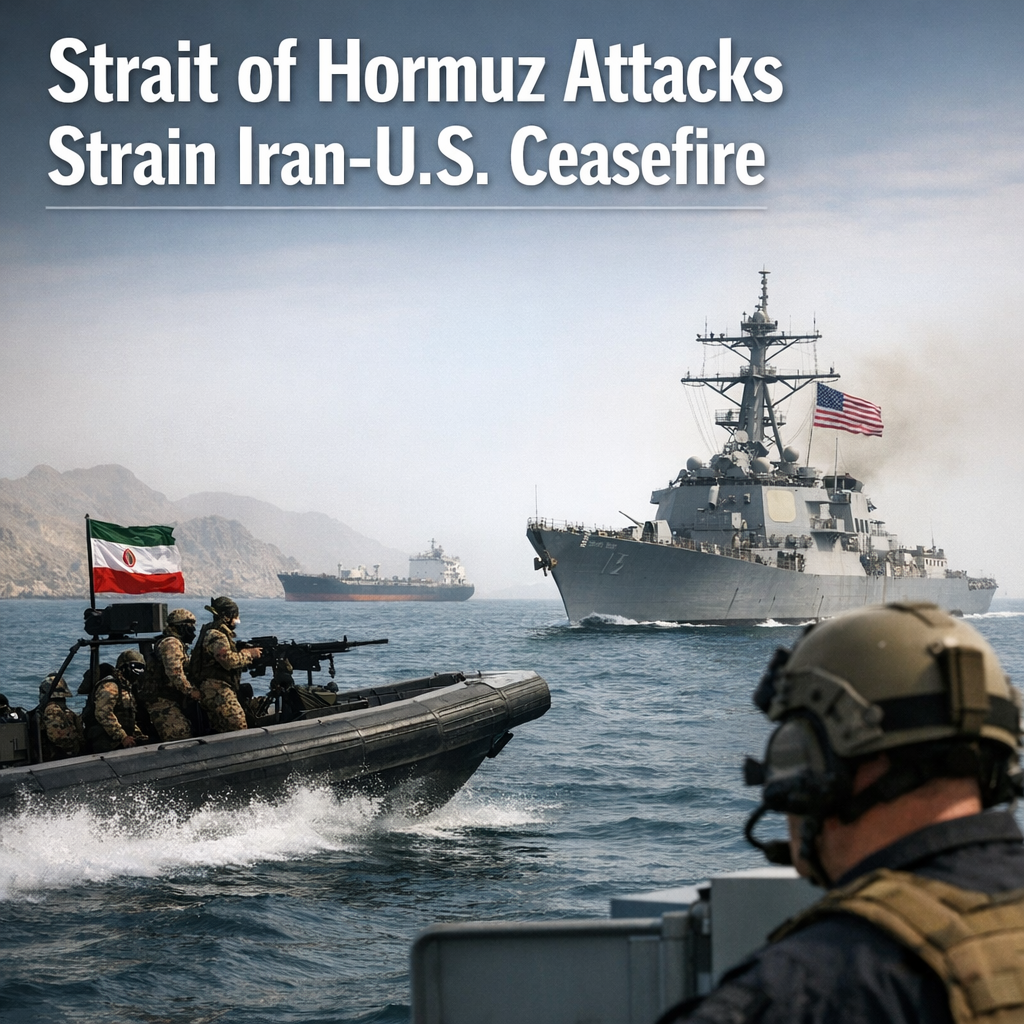
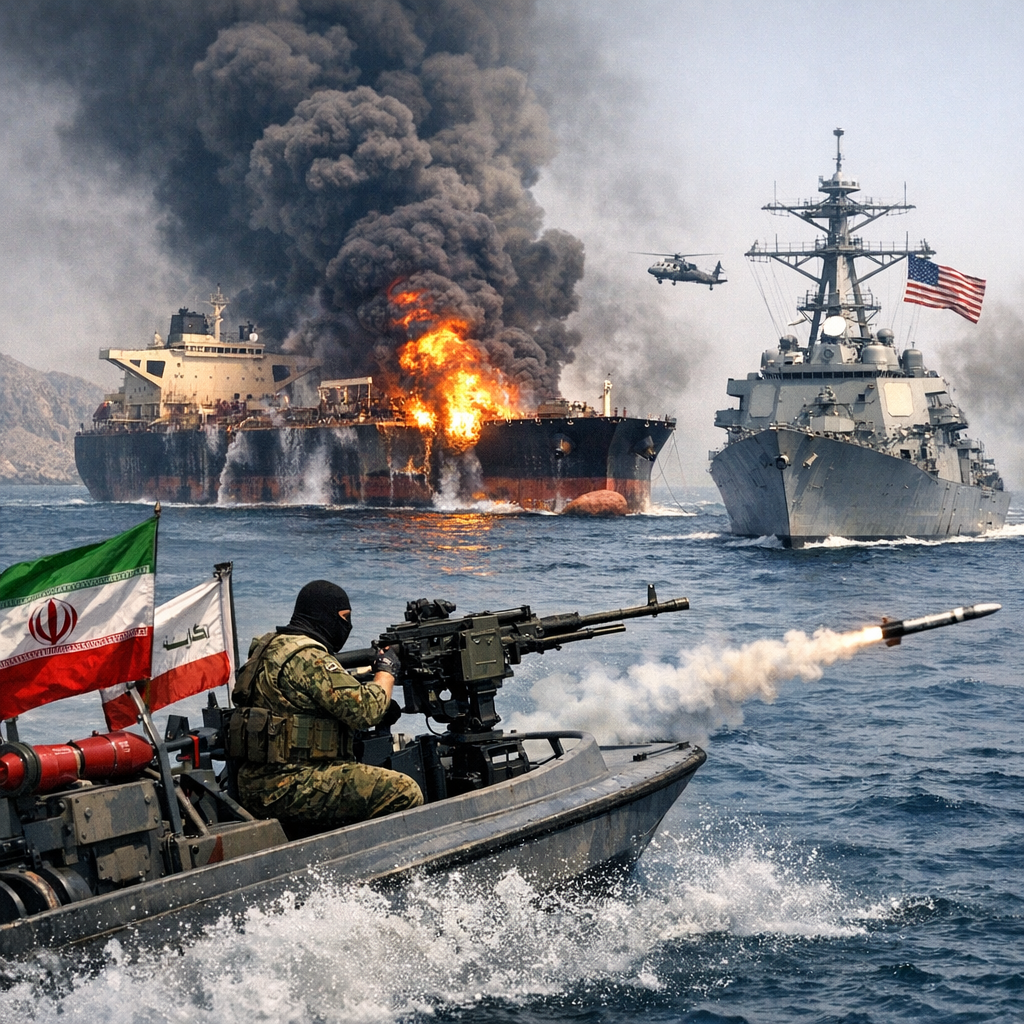
U.S. President Donald Trump says he has directed American forces to respond with lethal force if small Iranian boats are seen laying naval mines in the Strait of Hormuz, a narrow shipping lane that carries a major share of the world’s oil. The statement raises the temperature in one of the most sensitive energy chokepoints on the planet, where even a brief military confrontation can rattle global markets. The latest warning adds to long-running tensions between Washington and Tehran, with both sides trying to show strength in a region already facing repeated security flare-ups. For global investors and governments, the concern is not only the risk of direct conflict, but also the possibility that shipping could be disrupted and energy prices could jump quickly.
For Canadians, any threat to oil traffic through the Strait of Hormuz can show up far from the Middle East, including at the gas pump, in heating costs and in broader inflation pressure. Canada produces a great deal of its own oil, but global crude prices still influence what consumers and businesses pay, especially when traders fear supply disruptions. Higher shipping insurance, more expensive fuel and market volatility can also affect airlines, manufacturers and transportation firms that Canadians rely on every day. Ottawa will also be watching closely because any military escalation involving the United States can have diplomatic, security and trade implications for Canada, especially through its close alliance ties and broader interest in stable global supply chains.
What comes next will depend on whether the U.S. and Iran back away from direct confrontation or continue with more aggressive military signalling in and around the Gulf. Traders, shipping companies and allied governments will be looking for any sign of naval incidents, mine activity, seizures or warnings that could force tankers to reroute or pause operations. Canadians should also watch oil prices, inflation indicators and statements from Global Affairs Canada and key allies, since those will offer the clearest sign of whether the situation is becoming a short-term scare or a wider economic problem.
The Strait of Hormuz sits between Iran and Oman and links the Persian Gulf to the open ocean, making it one of the most strategically important maritime passages in the world. A significant portion of globally traded oil and liquefied natural gas moves through this corridor, so threats there often have an outsized impact on energy markets. Iran has long used the strait as a pressure point in its disputes with the United States and regional rivals, while Washington has maintained a heavy naval presence to protect commercial shipping and deter attacks. In past periods of tension, the region has seen tanker seizures, drone incidents, sabotage allegations and fears over sea mines, all of which have caused sharp market reactions even when a full-scale conflict did not follow.
Trump’s latest comments are likely to intensify debate over how far the United States is prepared to go to keep the waterway open. Sea mines are considered especially dangerous because they can be deployed relatively cheaply but create major risks for civilian shipping, naval patrols and insurers. Even reports that mines may be present can slow traffic, push up insurance premiums and force shipping companies to reassess routes and schedules. That is why markets tend to react not only to confirmed attacks, but also to rhetoric that suggests a new phase of confrontation may be underway.
From a Canadian perspective, the economic fallout could be broader than simple changes in crude prices. Many consumer goods depend on transportation networks that become more expensive when fuel prices rise or when global uncertainty pushes shipping and insurance costs higher. That can feed into household budgets through groceries, travel, delivery costs and the price of products imported from abroad. Canadian financial markets may also feel the effects, particularly in energy stocks, the loonie and sectors sensitive to inflation and global trade confidence.
There is also a policy dimension for Ottawa. Canada has generally supported freedom of navigation and the protection of international trade routes, while also trying to avoid unnecessary escalation in already volatile regions. If the situation worsens, Canada could face pressure to align more visibly with allied diplomatic or security efforts, whether through statements, sanctions policy, intelligence co-operation or support for maritime security missions. At the same time, Canadian officials would likely be cautious about any move that risks drawing the country deeper into a conflict with unpredictable consequences.
For now, much depends on whether this warning remains a deterrent message or becomes part of a more dangerous pattern of military action. Tehran may calculate that direct interference with commercial traffic would invite a strong response, but it may also continue using ambiguity and brinkmanship to test the limits of U.S. resolve. That uncertainty is what makes the Strait of Hormuz so important to markets and governments: a small incident can quickly become a global economic story. For Canadians, the key issue is not just geopolitics abroad, but how fast instability in a distant waterway can affect prices, policy and daily life at home.
Follow Canada News Media
Get the day's top Canadian stories and our two daily 60-second news videos wherever you scroll.
X Threads Facebook Instagram LinkedIn TikTok YouTube Pinterest Reddit Substack Flipboard Newsletter RSS