


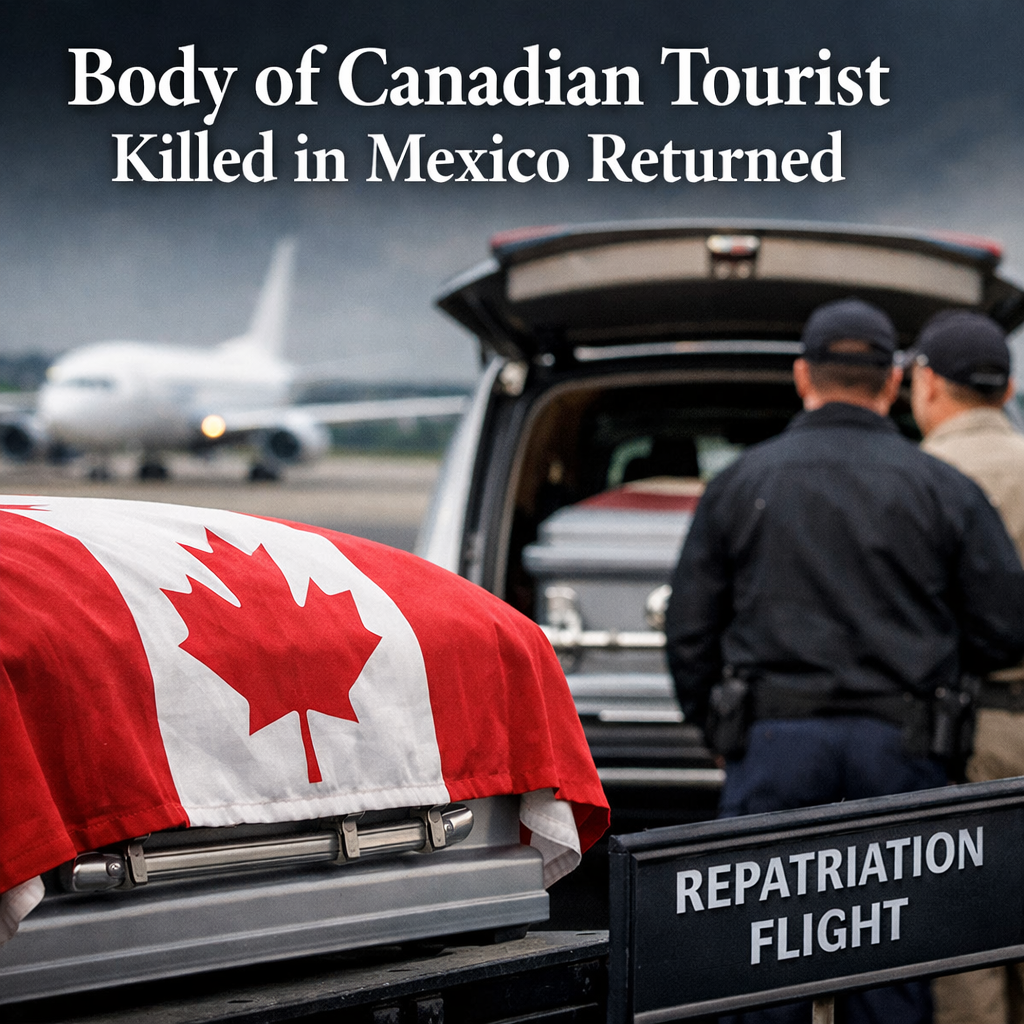
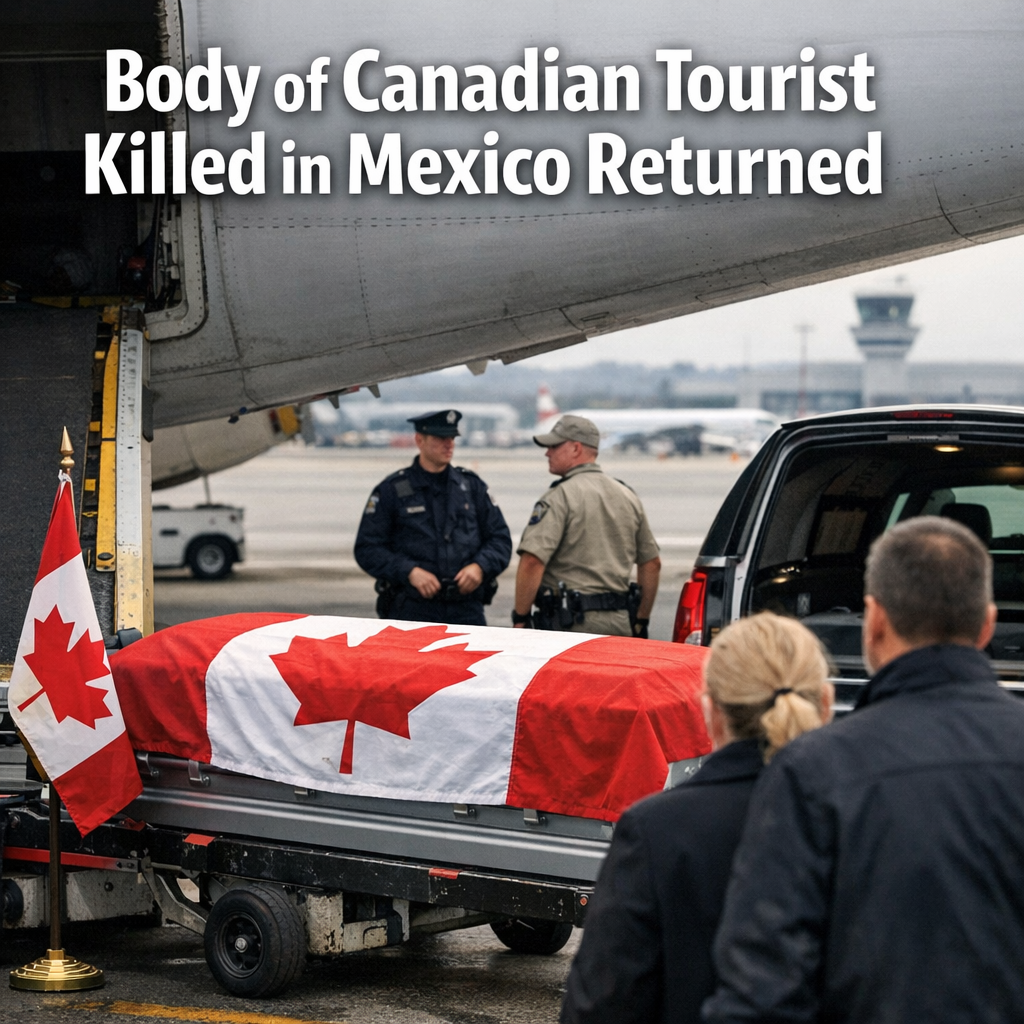
A Canadian woman has died after a shooting at a beach club in Mexico, drawing attention to the safety risks that can affect travellers in popular tourist areas. Authorities say she was the only person killed in the attack, while others were injured when gunfire broke out at the venue. Mexican officials are investigating what happened and have not publicly released her identity. The case has also prompted questions about what help is available to Canadians and their families when a tragedy happens abroad.
For Canadian readers, the story lands hard because Mexico remains one of the most popular vacation destinations for people travelling from Canada, especially during colder months. Incidents like this can shake confidence for families with trips booked and raise fresh concerns about travel safety, emergency planning and how quickly consular support can be reached in a crisis. It also highlights the difficult role of Global Affairs Canada, which often assists relatives behind the scenes with information, documentation and contact with local authorities. For many Canadians, this is a reminder that even in resort regions known for tourism, risks can change quickly and travellers should stay aware of local conditions.
What comes next will depend largely on the Mexican investigation, including whether police identify suspects, explain a motive or say the victim was caught in a broader act of violence. Canadian officials may also provide limited updates if the family consents, though privacy rules usually restrict what can be disclosed publicly. Travellers will be watching for any changes to federal travel advice for the region and for signs of increased security around tourist hotspots.
The broader context matters. Canada regularly advises citizens heading abroad to monitor official travel guidance, register their trips when appropriate and keep emergency contacts and travel insurance details close at hand. Mexico welcomes millions of international visitors each year, including large numbers of Canadians, but some regions also face ongoing problems linked to organized crime, local violence and uneven security conditions. In many cases, shootings involving tourists are not random attacks aimed at foreign visitors, but they can still put bystanders at serious risk. When a Canadian dies overseas, families often face a painful mix of grief, legal paperwork, language barriers and unfamiliar local systems while trying to bring their loved one home.
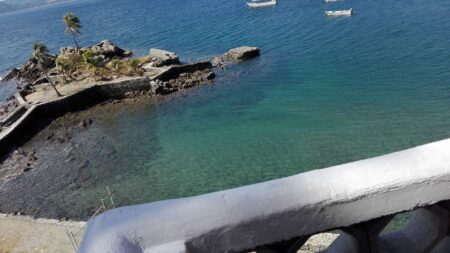
A Canadian woman has died after a shooting at a beach club in Mexico, an incident that has renewed concern about tourist safety in one of the most visited destinations for Canadians. The woman has not been publicly named by authorities, and officials in Mexico are continuing to investigate the attack. She was the only person killed, while several others were reported hurt when gunfire erupted at the seaside location. The death has drawn attention both because of the loss of life and because it happened in a place many Canadians associate with holidays, relaxation and family travel.
Early reporting suggests the shooting unfolded rapidly, leaving little time for people at the venue to react. Local authorities are now working to determine who was behind the attack, whether the victim was specifically targeted or whether she was an unintended casualty in a wider act of violence. Those details matter, not only for the criminal investigation but also for the many foreign visitors who want to understand the level of risk in the area. Canadian officials have acknowledged the death and are expected to provide consular assistance to the family, though public details remain limited out of respect for privacy.
This story is especially important in Canada because Mexico is a major destination for winter sun vacations, family holidays, weddings and long-stay trips by retirees. News of a Canadian being killed can immediately affect travel decisions, with people checking advisories, contacting airlines or tour operators, and asking whether resort zones are as secure as they appear in travel marketing. It also puts a spotlight on the systems Canadians rely on when something goes wrong abroad, from insurance coverage to consular support to communication between local police and Canadian authorities. For families with loved ones currently travelling, the story may also prompt practical conversations about staying in touch, sharing itineraries and knowing what to do during an emergency.
There is also a broader institutional impact. Global Affairs Canada often becomes involved when citizens die or are seriously injured outside the country, helping families navigate local procedures, death certificates, funeral arrangements and repatriation. These situations can be complicated by language differences, local legal processes and delays in releasing official information. Travel insurers, tour companies and airline partners may also play a role, depending on how the trip was booked and what coverage the traveller had in place. For Canadians, the incident is not just an international headline; it is a reminder that overseas emergencies can have immediate emotional, financial and logistical effects back home.
In the days ahead, the focus will likely stay on the Mexican investigation. Police may release more information about suspects, motive and whether the attack was tied to criminal activity in the area. Canadians planning trips will also be watching closely for any updates to federal travel advice, as well as any security changes at beach clubs, hotels and other tourist venues nearby. If the family agrees, more may become known about the victim, but officials often keep those details private in the early stages.
Readers should also watch for how local authorities frame the risk. One key question is whether this was an isolated event or part of a pattern of violence affecting the region. That distinction can shape both public confidence and official travel guidance. It may also influence how resorts and tourism operators respond, including whether they add visible security measures or update safety protocols for guests.
To understand the full picture, it helps to remember that Mexico is both a top tourism destination and a country where security conditions vary sharply by region. Many Canadians travel there every year without incident, staying in resort communities, beach towns and major cities that depend heavily on international visitors. At the same time, some parts of the country continue to struggle with violent crime, including shootings linked to organized criminal groups. Tourists are not always the intended targets, but when violence breaks out in public places, visitors can still be caught in danger.
Canadian travel advisories already urge people to stay alert, avoid high-risk areas and follow local guidance while abroad. Simple steps such as buying comprehensive travel insurance, keeping copies of passports, sharing travel plans with family and knowing how to contact Canadian consular officials can make a major difference in an emergency. Travellers are also encouraged to pay attention to local news, use trusted transportation options and avoid situations where alcohol, crowds and late-night activity can increase vulnerability. None of these precautions can eliminate risk entirely, but they can help Canadians make informed choices and respond more effectively if conditions change.
When a Canadian dies overseas, the aftermath can be extremely difficult for loved ones in this country. Families may have to wait for official identification, cooperate with foreign investigators and deal with funeral or repatriation arrangements while processing shock and grief. In some cases, they must also navigate insurance claims and unexpected costs. That reality is part of why cases like this resonate so deeply in Canada: they are not only about a tragic event abroad, but about the very real impact on a family, a community and a country where international travel is part of everyday life for millions of people.
For now, many questions remain unanswered. What is clear is that a Canadian life was lost in a sudden act of violence in a place frequented by tourists, and that alone will keep this story in focus. As investigators work to piece together what happened, Canadians will be looking for clarity, accountability and reassurance about safety in one of their favourite travel destinations.
Follow Canada News Media
Get the day's top Canadian stories and our two daily 60-second news videos wherever you scroll.
X Threads Facebook Instagram LinkedIn TikTok YouTube Pinterest Reddit Substack Flipboard Newsletter RSS