

Global warming is making the oceans more stable. It is expanding surface temperatures and decreasing the carbon they can ingest. It has been indicated by research distributed Monday by atmosphere researchers who cautioned that the discoveries have “significant and upsetting” ramifications.
The Long Term Effects Are Bad
Man-made environmental change has expanded surface temperatures over the planet. It is prompting barometrical precariousness and intensifying extraordinary climate occasions, for example, storms. In any case, in the oceans, higher temperatures have an alternate impact, easing back the blending between the warming surface and the cooler, oxygen-rich waters beneath, analysts said.
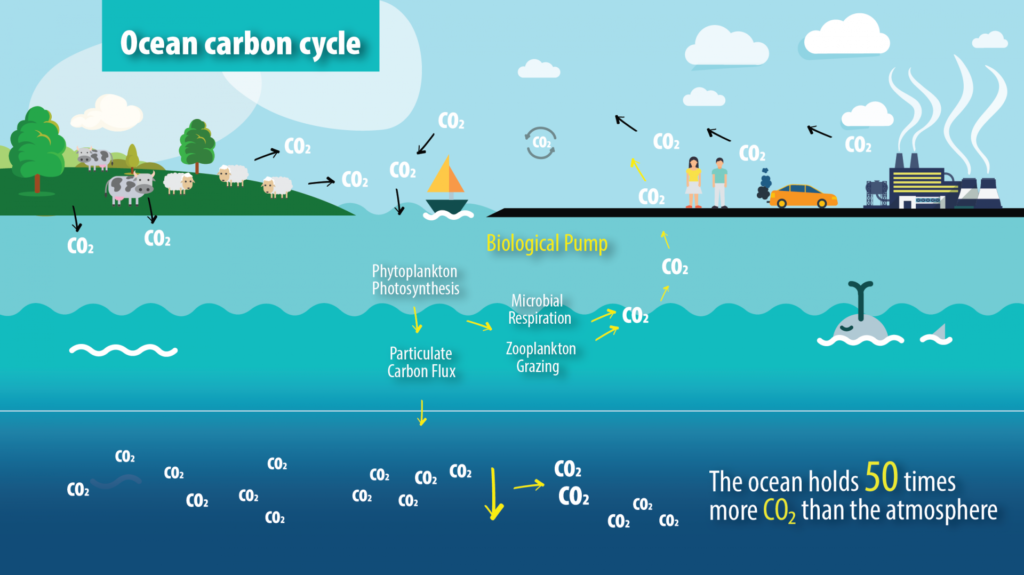
This ocean “stratification” signifies less profound water is ascending towards the surface conveying oxygen and supplements. Tthe water at the surface retains less air carbon dioxide to cover at profundity. In a report distributed in the diary Nature Climate Change, the worldwide group of atmosphere researchers said they found that definition globally had expanded by a “considerable” 5.3 percent from 1960 to 2018. The majority of this adjustment happened towards the surface.
 They said this cycle is additionally exacerbated by the liquefying of ocean ice. It is implying that more new water likewise amasses on the outside of the ocean. The fresh water is lighter than salt water.
CO2 Absorption Ability Of Oceans Is Lowering Drastically
Study co-creator Michael Mann, an atmosphere science teacher at Pennsylvania State University, said in an editorial distributed in Newsweek that the “apparently specialized finding has significant and alarming ramifications”. These incorporate conceivably driving more “extraordinary, damaging typhoons”. It happens as ocean surfaces warm. Mann likewise highlighted a decrease in the measure of CO2 assimilated. It could imply that carbon contamination develops quicker than anticipated in the environment.
He cautioned that refined atmosphere models frequently disparage ocean separation and may likewise be thinking little of its effect. With hotter upper waters accepting less oxygen, there are likewise suggestions for marine life. By engrossing a fourth of man-made CO2, oceans keep the populace alive. Yet it is so at an awful expense, as per the Intergovernmental Panel for Climate Change (IPCC). Oceans have become acidic, conceivably sabotaging their ability to draw down CO2. Hotter surface water has extended the power and scope of savage hurricanes.
Marine heatwaves are clearing out coral reefs, and quickening the dissolve off of icy masses and ice sheets driving ocean level ascent. A year ago, research distributed in the US Proceedings of the National Academy of Sciences determined that environmental change would discharge the ocean of almost a fifth of every single living animal, estimated by mass, before the century’s over.