
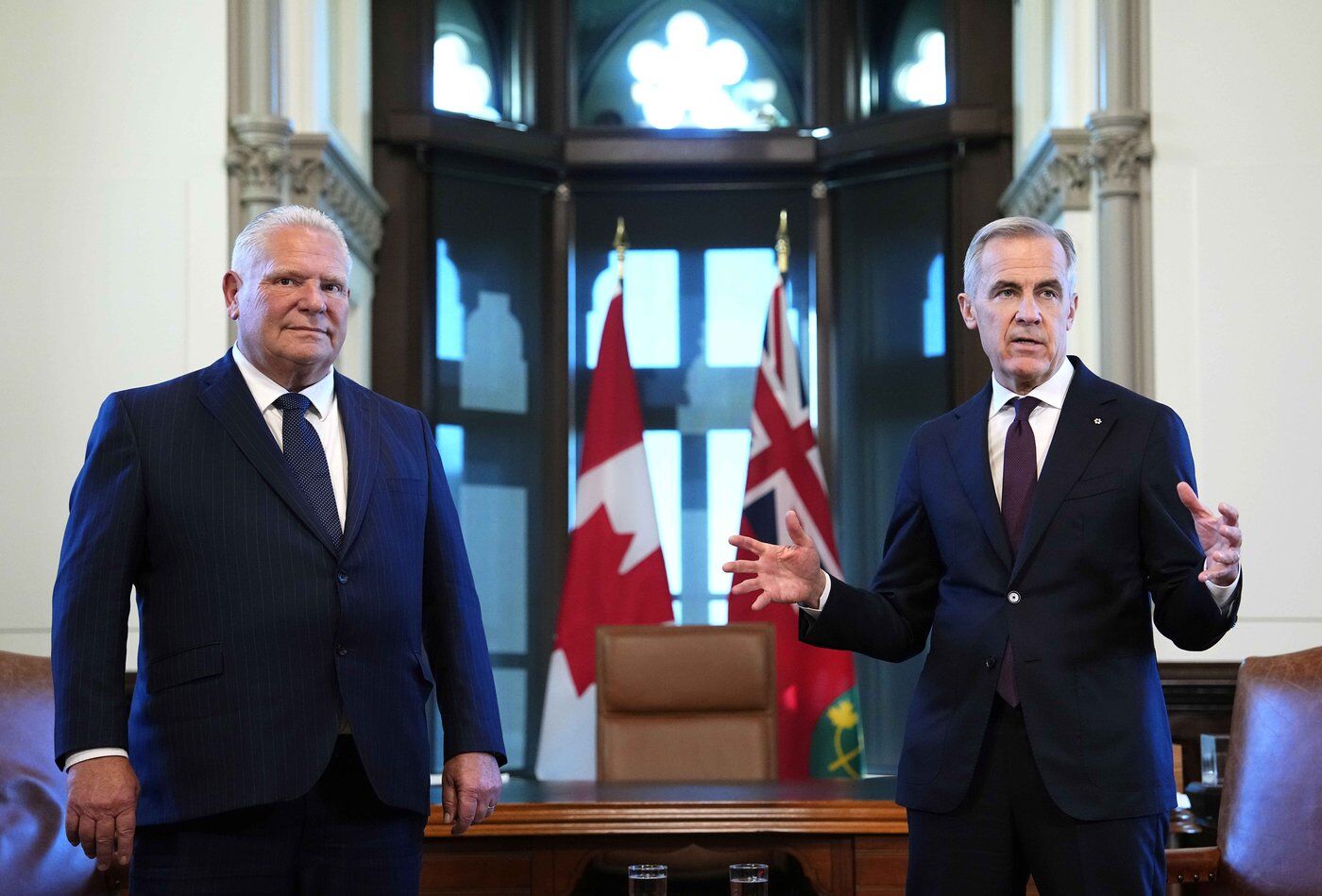
Prime Minister Mark Carney and Ontario Premier Doug Ford announced an $8.7-billion federal-provincial plan in Ottawa on Wednesday, Oct. 21, 2026, to support Ontario’s steel, auto and critical minerals sectors as U.S. tariffs weigh on the province’s economy.
The package includes $2.5 billion over two years for the auto industry, a new steel fund worth about $5.2 billion over five years and $1 billion in federal money for roads into the Ring of Fire mining region, CBC News and The Canadian Press reported.
“More jobs, more opportunity, more prosperity, more sovereignty, so we can live our lives as we choose,” Carney said.
Ford said the Canada-U.S. relationship has changed for good. “No matter what happens in the midterms, no matter who sits in the White House, we’re not going back to the way things were and we need to plan accordingly,” he said.
The Joint Steel Action Fund combines $3.55 billion from Ottawa and $1.67 billion from Ontario. Carney said it will help mills upgrade equipment, make more of the products Canada needs and sell into markets other than the United States, and is expected to protect roughly 100,000 steel jobs. “At present, our steel companies rely heavily on the auto sector. In the future, pipes, rail, ports, defence will be increasingly important sources of demand,” he said.
Of the auto money, Ottawa is putting in $1.5 billion and Ontario $1 billion to help automakers build connected and electric vehicles. Ottawa is also easing its vehicle emissions rules: standards for new light-duty vehicles will stay at 2026 levels through the 2029 model year, with annual increases resuming in the 2030 model year, CBC News reported.
Brian Kingston, president of the Canadian Vehicle Manufacturers’ Association, said the pause gives companies “some relief” as they deal with U.S. tariffs. Evan Pivnick of Clean Energy Canada called it a setback for the government’s electric vehicle sales targets.
The $1 billion over three years for the Ring of Fire matches an earlier Ontario pledge. The two governments will also create a co-ordinated permitting process and a working group with local Indigenous communities, some of which oppose development in the region. “Canada will always be a country of high standards, but high standards do not mean decisions have to be slow,” Carney said.
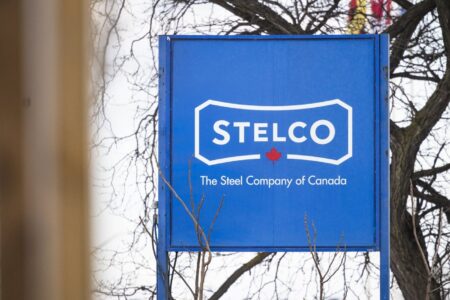
The announcement came as Ottawa presses the U.S. owner of Stelco over planned layoffs. A day later, Industry Minister Mélanie Joly gave Cleveland-Cliffs 15 days to address alleged breaches of its job commitments. The tariff fight has also shaped the review of CUSMA auto rules in Washington.
Carney said he spoke with U.S. President Donald Trump on Wednesday morning and that Canada remains ready to negotiate when the White House is.
If you find reporting like this useful, consider supporting Canada News Media, an independent Canadian newsroom with no corporate parent.
With files from The Canadian Press and CBC News.
Follow Canada News Media
Get the day's top Canadian stories and our two daily 60-second news videos wherever you scroll.
X Threads Facebook Instagram LinkedIn TikTok YouTube Pinterest Reddit Substack Flipboard Newsletter RSS