
First Nation chiefs and Alberta’s Opposition are calling on the provincial government to drop its appeal of a court decision that quashed a citizen petition on separation, now that the Oct. 19 referendum has been held.
“Now that the referendum’s happened, the issue’s moot,” Siksika Nation Chief Samuel Crowfoot told CBC News. He said dropping the appeal could help repair a relationship between First Nations and the province that he described as “fractured.”
NDP Leader Naheed Nenshi echoed the call at a news conference Friday. “The First Nations are spending money on lawyers, we taxpayers are spending money on lawyers, let’s listen to what Albertans said on Monday and just drop it,” he said.
The province has said it will not do that. We reported on Oct. 23 that Alberta will not drop its appeal of the quashed separation petition.
The petition was led by the pro-independence group Stay Free Alberta. Four First Nations, Athabasca Chipewyan, Siksika, Blood Tribe and Piikani, challenged the process. In May, Justice Shaina Leonard ruled there had been a failure to consult with the First Nations and overturned Elections Alberta’s approval of the petition.
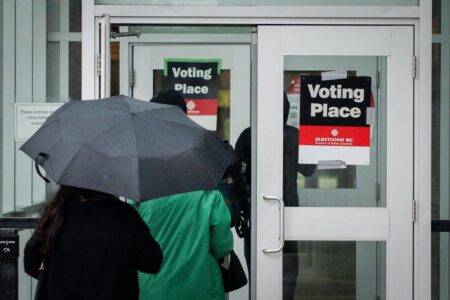
Because of that ruling, the government’s question on the Oct. 19 ballot asked whether Albertans supported the province starting the legal process to hold a second, binding referendum on separation.
Two appeals are before the courts. Crowfoot said he does not expect Mitch Sylvestre, the petition’s organizer, to drop his. “So, we’ll handle Mitch’s, but Danielle should drop hers on the part of the government of Alberta,” he said, referring to Premier Danielle Smith.
Sylvestre told CBC he wants the government to keep appealing. “For democracy here in Alberta, it’s very important that they have to appeal that,” he said, adding that other contentious questions will arise in future.
Kathleen Mahoney, professor emeritus at the University of Calgary’s faculty of law, said that because there are two appeals, the process would continue even if the government withdrew. She said a continued government appeal could bring clarity on when consultation with Indigenous peoples must happen in a government process. If the appeal court agrees with the lower court, “it’s over,” she said. If it finds consultation could have come later in the process, the government would have to deal with the original petition, though no timeline is set for that.
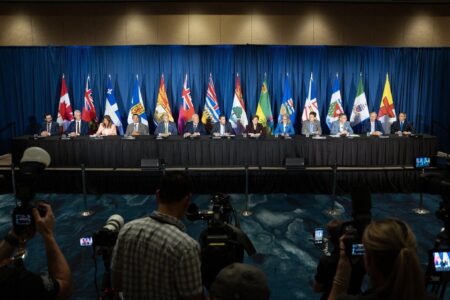
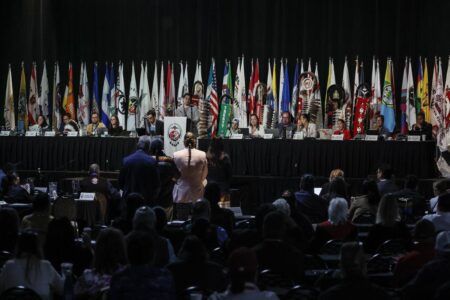
The dispute comes days before Monday’s meeting of First Nations leaders, premiers and the prime minister in Ottawa, which we previewed in our story on the First Nations-first ministers meeting. Smith’s next steps after the vote are covered in our report on her proof-of-citizenship plan.
Source: CBC News, Oct. 24, 2026.
If you find reporting like this useful, consider supporting Canada News Media, an independent Canadian newsroom with no corporate parent.
Follow Canada News Media
Get the day's top Canadian stories and our two daily 60-second news videos wherever you scroll.
X Threads Facebook Instagram LinkedIn TikTok YouTube Pinterest Reddit Substack Flipboard Newsletter RSS